
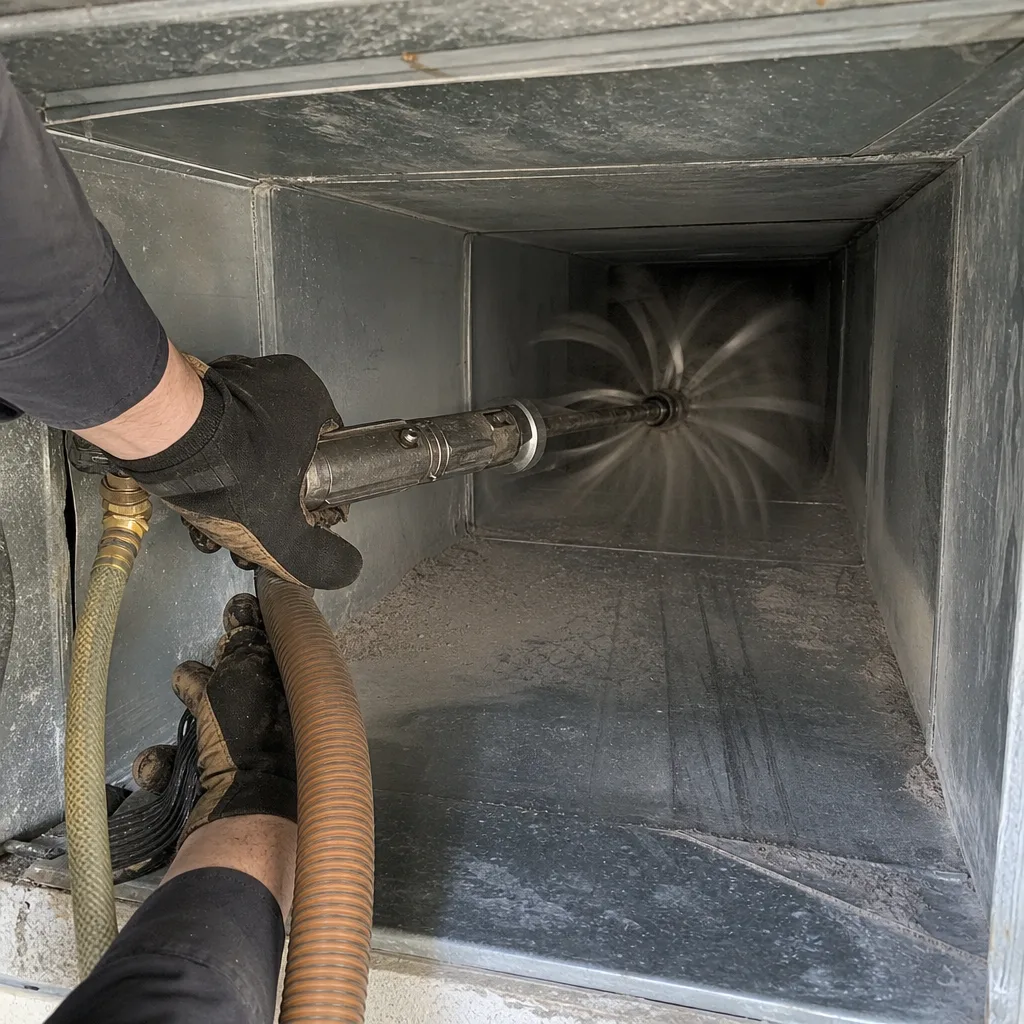
Last updated November 23, 2026
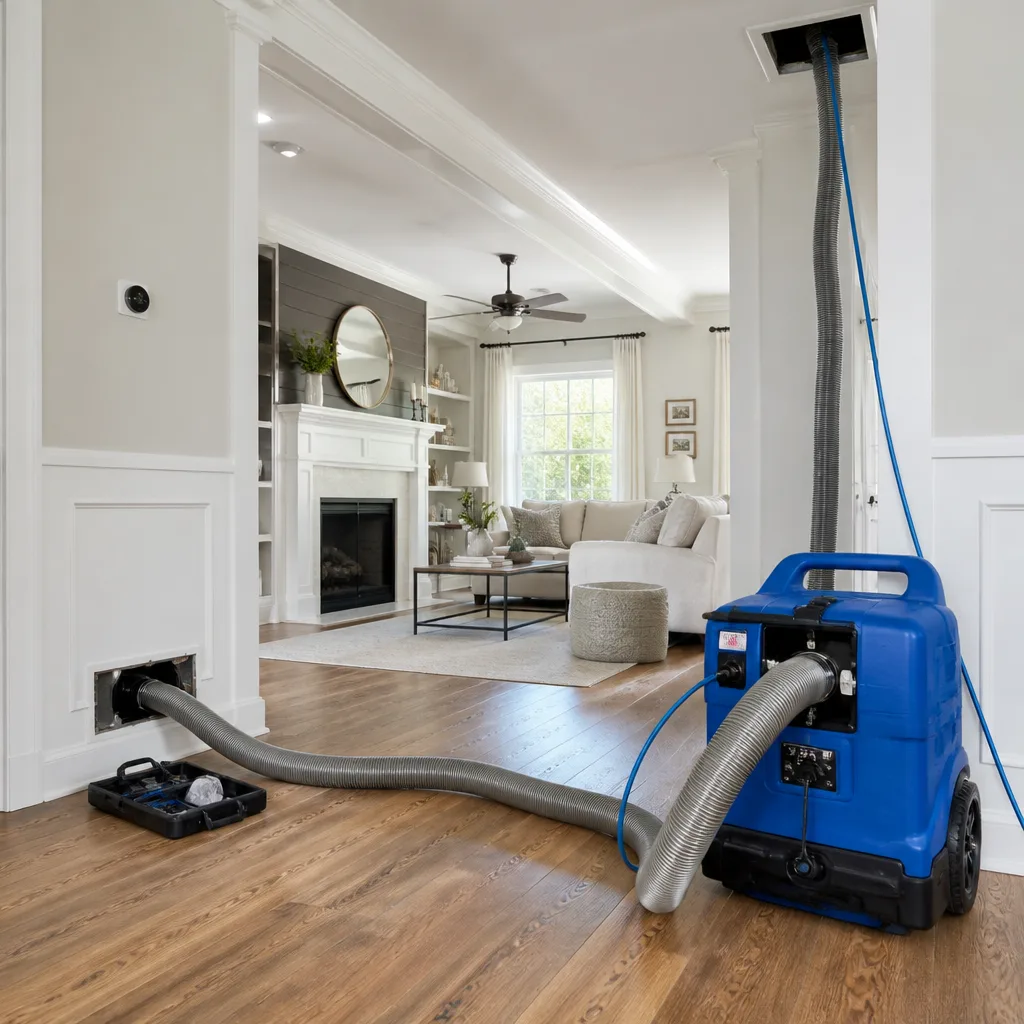 Whole-home duct cleaning
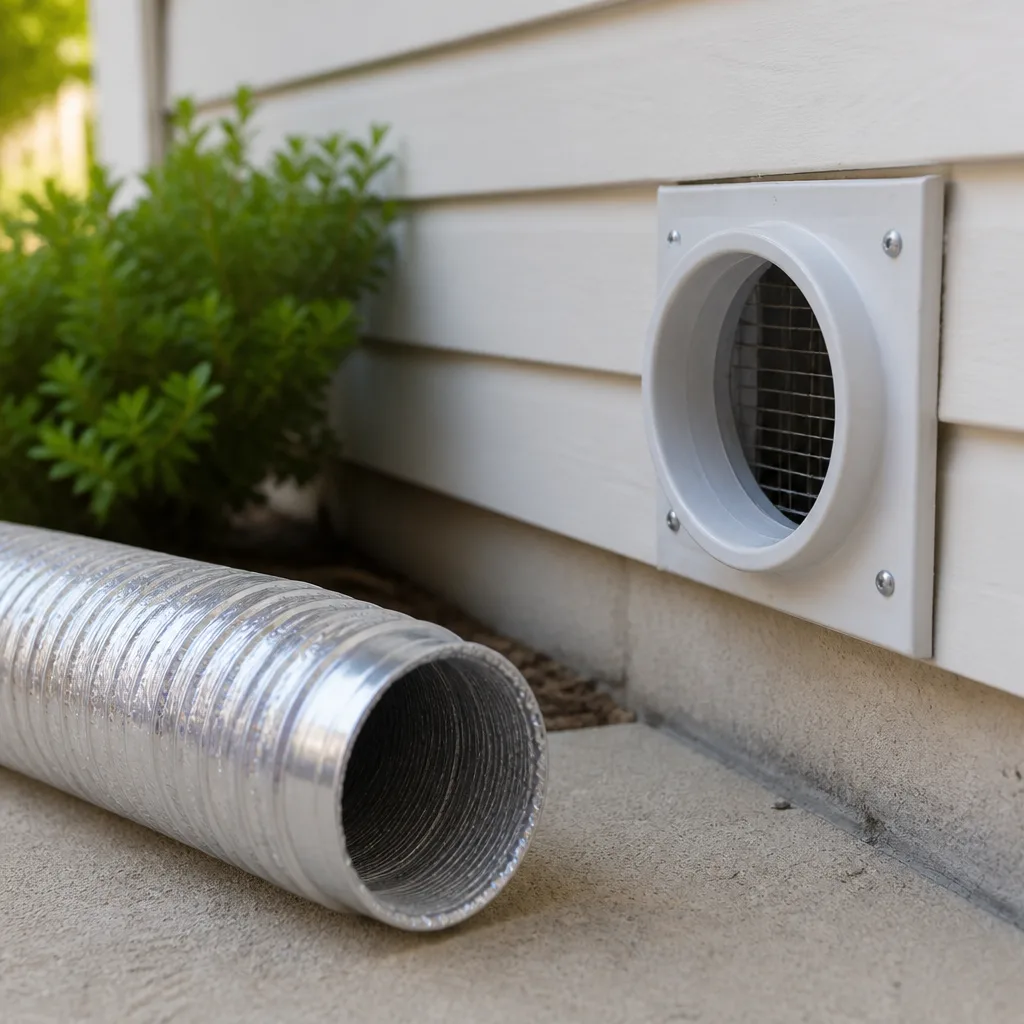 Dryer vent cleaning
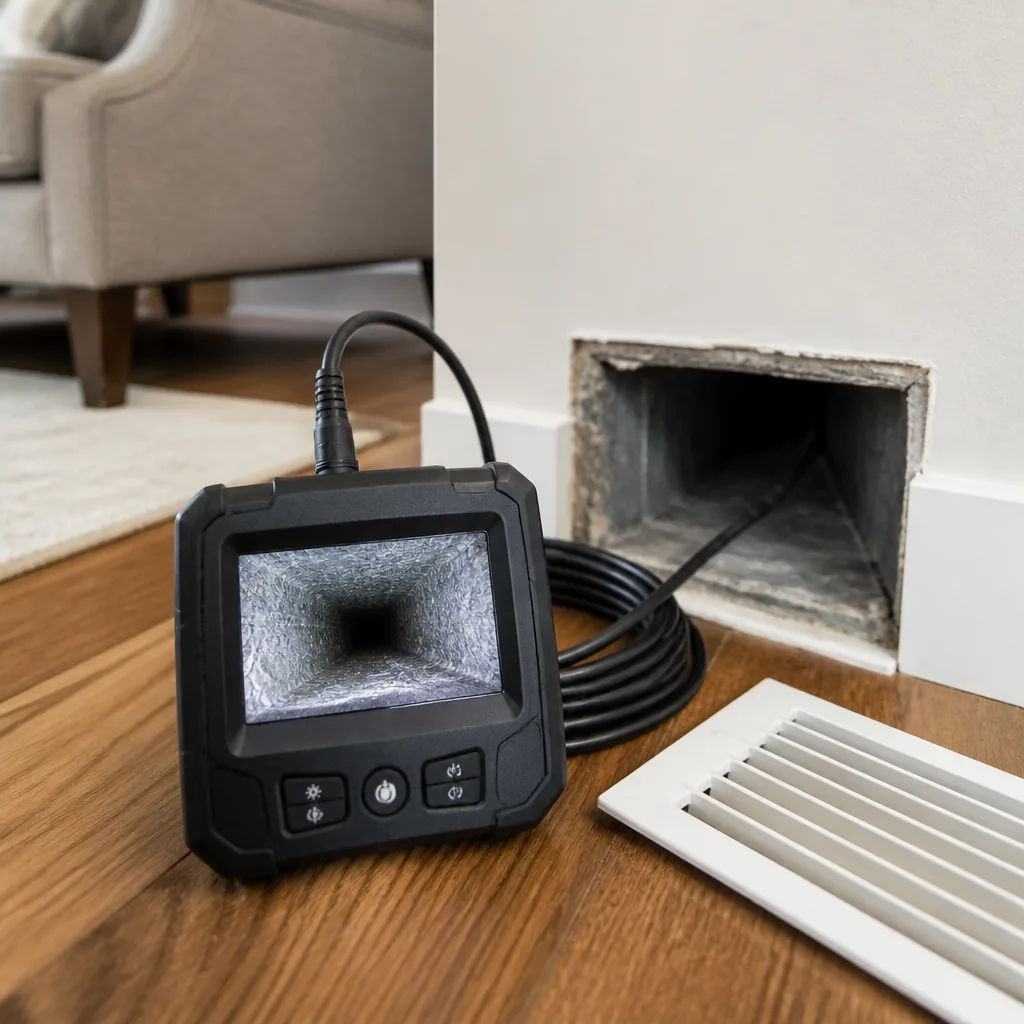 Camera inspection
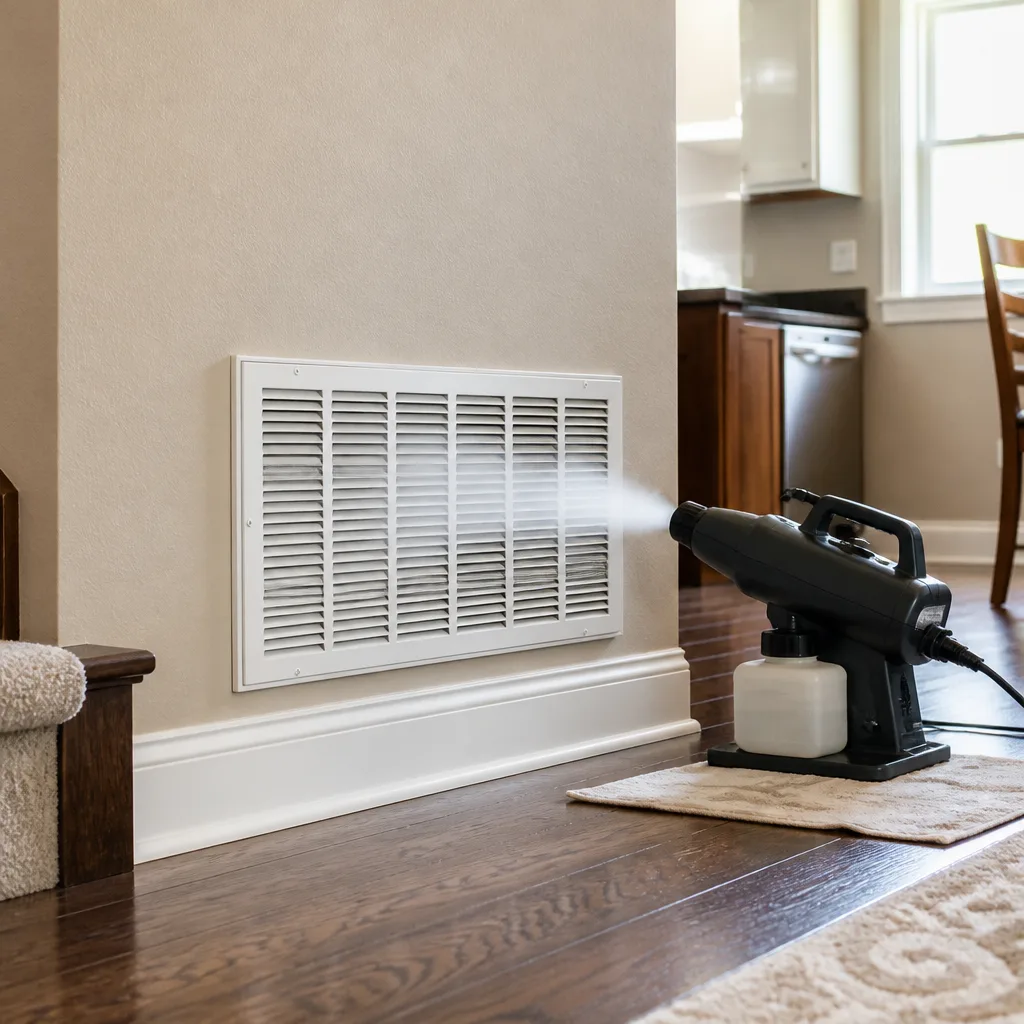 Sanitizing & deodorizing
Whole-system duct and dryer vent check with before-and-after photos - you see exactly what came out of your vents
That "$99 whole-house special" is a bait ad - the real number appears once they are in your hallway, or the "clean" is a shop-vac at the register. We photograph the inside of your ducts before and after instead.
Air Duct Cleaning Troubleshooting in Park Hill: Common Problems and How to Fix Them
If a full duct cleaning didn’t fix your airflow problem, you likely didn’t have a contamination issue. You had a pressure imbalance or a disconnected duct section that no brush was ever going to solve. That’s the part most homeowners in Park Hill never hear before they book a cleaning: weak airflow, a stuffy back bedroom, and a system that runs constantly are mechanical symptoms, not dirt symptoms, and they need a different kind of fix. This guide walks through how to tell the two apart, what each symptom actually points to, and what a real post-cleaning checklist looks like so you can confirm the work did what it was supposed to.
Quick Answer
Most duct problems in Park Hill fall into two categories: contamination problems (odor, dust, allergy flare-ups) and mechanical problems (weak airflow, hot and cold rooms, a system that short-cycles). Cleaning resolves the first. The second usually needs diagnosis of blockages, disconnected duct runs, or a contaminated coil, followed by repair and sealing. Cleaning alone won’t fix a pressure imbalance, which is why so many homeowners pay for a cleaning and still feel the same draft or dead room afterward.
Styles & brands we work with
- Whole-home duct cleaning
- Dryer vent cleaning
- Camera inspection
- Sanitizing & deodorizing
Table of Contents
- Is It a Dirty-Duct Problem or a Mechanical Problem? A Symptom Map
- How to Read Your Symptoms Before You Schedule Anything
- Why Park Hill’s Older Homes Are Prone to Disconnected Duct Runs
- Pressure Testing vs. Camera Inspection: Which Diagnostic When
- What a Post-Cleaning Checklist Should Include
- Temporary Fix vs. Durable Solution: When Cleaning Isn’t Enough
- Duct Repair and Sealing: The Fix Most Cleaning Companies Skip
- How a Contained, Verified Cleaning Actually Works
Is It a Dirty-Duct Problem or a Mechanical Problem? A Symptom Map
Dirty ducts and mechanical failures can produce overlapping complaints, which is exactly why homeowners end up booking the wrong service. The clearest way to sort them is by what the symptom actually tells you about the system. Contamination affects air quality. Mechanical failure affects air delivery. Those are two different jobs.
Here’s how to read the two clusters:
- Contamination symptoms: musty or stale odor when the system kicks on, visible dust settling on surfaces soon after cleaning, allergy or asthma flare-ups that track with HVAC use, dust streaking around supply registers, and a general sense that the air feels heavy.
- Mechanical symptoms: weak airflow at one or more registers, rooms that never reach the thermostat setpoint, temperature differences of several degrees between floors, a system that runs longer than it used to, whistling or rattling at vents, and a blower that seems to push less air than it should.
When homeowners in Park Hill call about a stuffy upstairs bedroom, the complaint sounds like dirty ducts. Often it’s a flex run that came loose at a collar in the attic or crawlspace, dumping conditioned air into an unconditioned space. No amount of brushing a connected duct will restore airflow to a room whose supply run isn’t connected anymore. Before scheduling any service, sit down and match your complaint to the right cluster. If it’s mostly contamination, a cleaning is the right call. If it’s mostly delivery, you need diagnosis first.
How to Read Your Symptoms Before You Schedule Anything
A little observation before you book saves you from paying for a job that can’t fix what’s bothering you. Spend fifteen minutes with your system running and work through the following. This is not a DIY repair guide; it’s a way to gather useful information for whoever diagnoses the system.
- Check airflow at every register. Hold a tissue or your hand near each supply. Note which ones feel weak, which feel strong, and which feel like nothing at all.
- Compare room temperatures. Run the system for a while, then check the temperature in each room. A consistent gap between rooms points to a delivery problem, not a dirt problem.
- Listen at the vents. Whistling can mean restricted airflow, a partially closed damper, or an undersized run. Rattling can mean a loose duct section.
- Note odors and timing. Does the smell appear only when the system starts? That’s a sign of something in the airstream, often in the ducts or at the coil, rather than something in the room.
- Look at your filter. A filter that’s caked within weeks suggests heavy particulate load, but it can also mean the return is pulling from a dirty space. Note how quickly it loads.
Write down what you find. That list shortens the diagnostic conversation considerably and helps a technician decide whether you’re looking at a cleaning, a repair, or both. If the pattern points to a filtering shortfall rather than a duct failure, that’s worth knowing early. Our air duct cleaning Park Hill service covers the cleaning side; the diagnostic findings tell you whether that’s the whole job.
Why Park Hill’s Older Homes Are Prone to Disconnected Duct Runs
Park Hill’s housing stock includes a lot of homes built before 1990, and many of those systems were originally fitted with flex duct or early rigid ductwork that has spent decades expanding, contracting, and settling. Flex runs in particular are vulnerable at the joints: the inner liner can tear, the collar connection can work loose, and a run that was sealed when installed can open up in an attic or crawlspace without any obvious sign inside the living space.
That’s why a disconnected run so often mimics a dirty-duct problem. The room feels stuffy, the air feels stale, and the homeowner assumes the ducts need cleaning. In reality, conditioned air is leaking into the attic or crawlspace instead of reaching the room. The tell is usually this: the room with the complaint has noticeably weaker airflow than the rest of the house, while other rooms are fine. Contamination problems tend to be spread through the whole system. Delivery problems tend to concentrate.
Park Hill’s climate adds another wrinkle. The dry air and strong seasonal temperature swings mean ducts expand and contract more than homeowners in milder climates might expect, and that cycling puts stress on joints and seams over time. Older duct tape dries out and loses adhesion. Seams that were sealed years ago can open. None of that shows up on a visual walk-through of the living space; it shows up when someone actually inspects the duct runs.
If you’re in a pre-1990 Park Hill home and your main complaint is uneven airflow rather than odor or dust, ask for diagnostics before you ask for a cleaning. It’s the difference between fixing the problem and paying to clean around it.
Pressure Testing vs. Camera Inspection: Which Diagnostic When
Two diagnostics do most of the work in duct troubleshooting: a duct pressure test and a visual inspection camera. They answer different questions, and knowing which one your situation calls for keeps you from paying for the wrong test.
A duct pressure test measures static pressure in the system and tells you whether the ductwork is delivering air efficiently. It answers questions like: Is there excessive resistance? Is the system working harder than it should? Is there a hidden leak or restriction? It’s the right tool when your complaint is about airflow, energy use, or uneven delivery.
A visual inspection camera answers: What does the inside of the duct actually look like? Is a run disconnected? Is there debris, a collapsed liner, or a pest intrusion? It’s the right tool when you suspect a physical problem at a specific location, or when you want to verify the condition of a run before and after service.
Roughly:
- Pressure test first if your symptoms are airflow, temperature imbalance, or a system working harder than it used to.
- Camera inspection first if you suspect a specific disconnected or damaged run, or if you’ve already had a cleaning and want to verify condition.
- Both when the home is older and the complaint is mixed. This is common in Park Hill, where contamination and mechanical issues often show up together.
A visual walk-through of the registers alone won’t tell you either of these things. If a company quotes a cleaning without asking what your symptoms are, you’re getting a price, not a diagnosis.
What a Post-Cleaning Checklist Should Include
Once the work is done, you should be able to verify it did what it was supposed to. A cleaning without verification is just a promise. Here’s what a thorough job looks like from the homeowner’s side, and what to ask about before the technician leaves.
- Filter baseline. Note the condition and date of the filter going in, so you have a reference for how quickly it loads afterward. That baseline tells you whether the system is still pulling heavy particulate.
- Static pressure reading. A before-and-after pressure reading shows whether the cleaning and any sealing actually improved airflow, or whether a restriction remains.
- Supply and return balance. Check airflow at each register against the pre-cleaning notes. If a weak room is still weak, that’s a mechanical finding, not a cleaning shortfall.
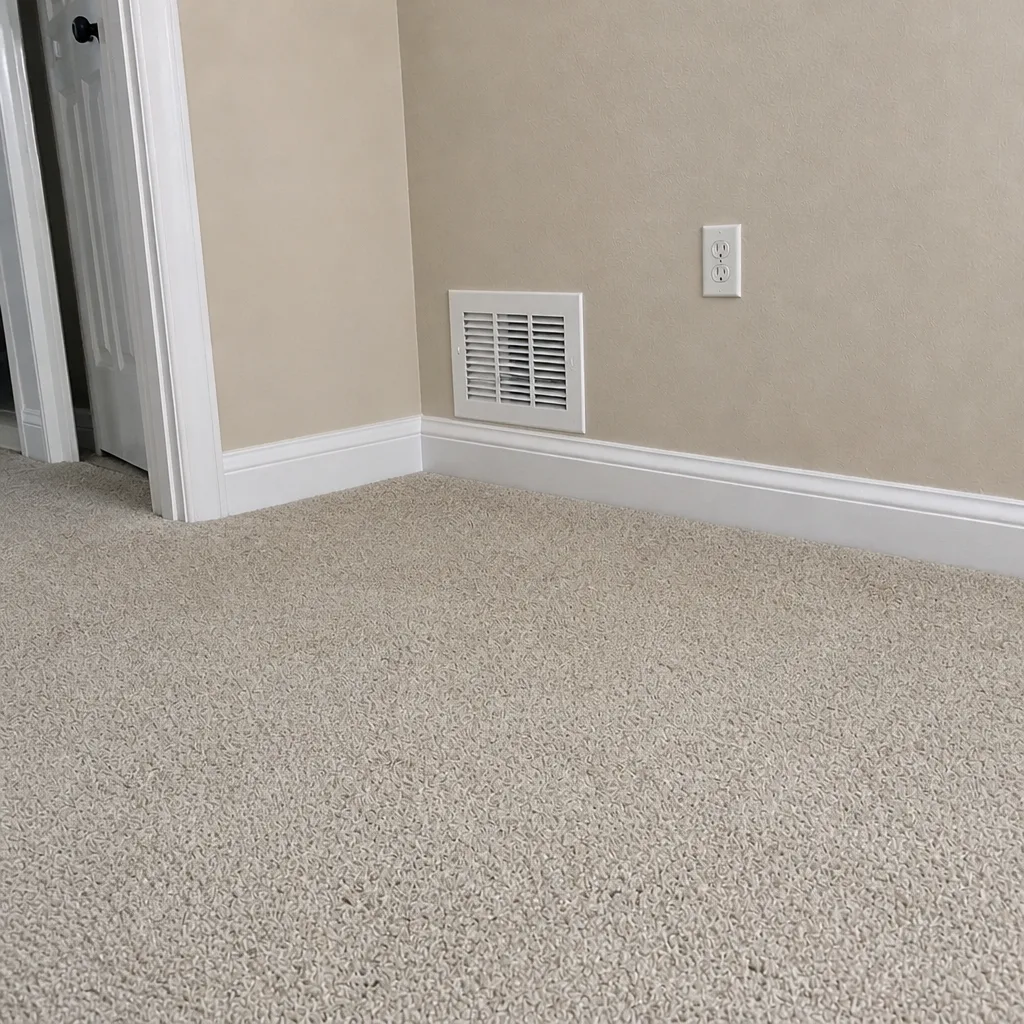
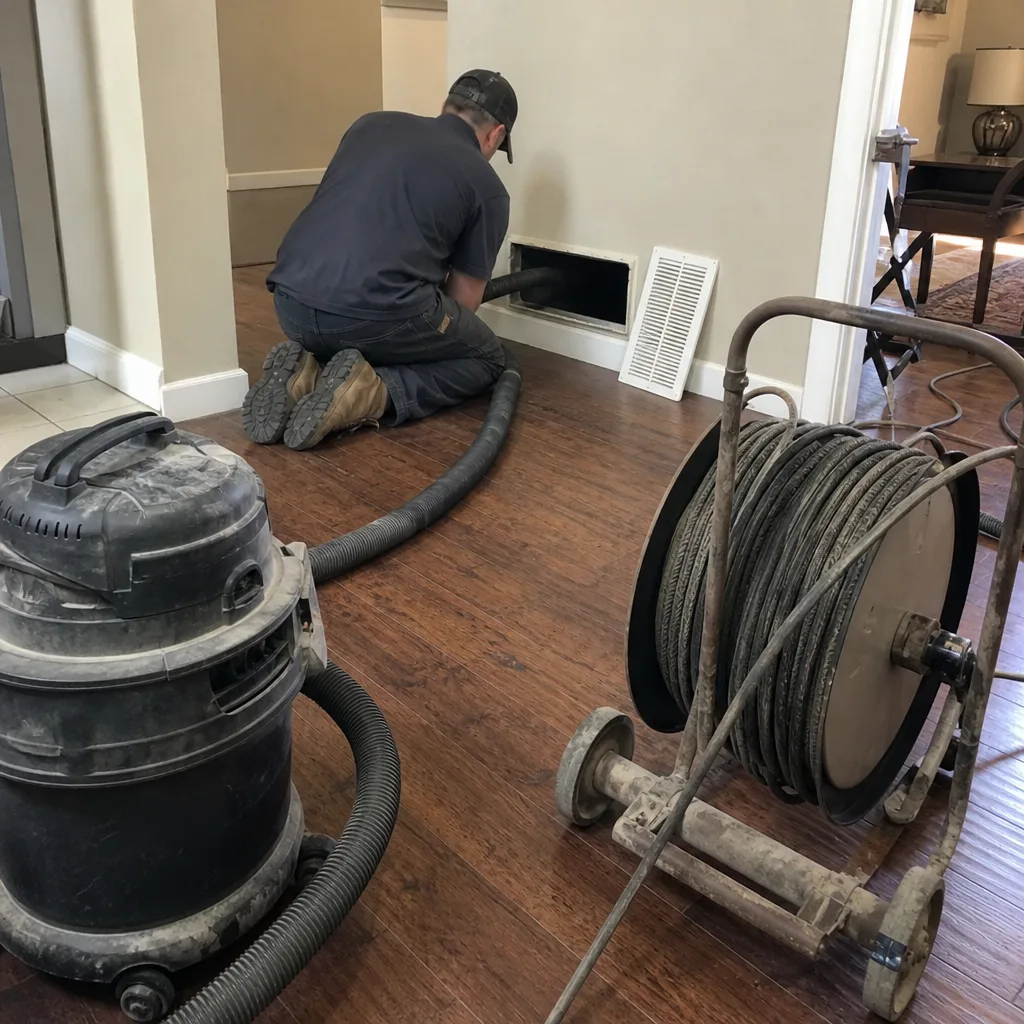
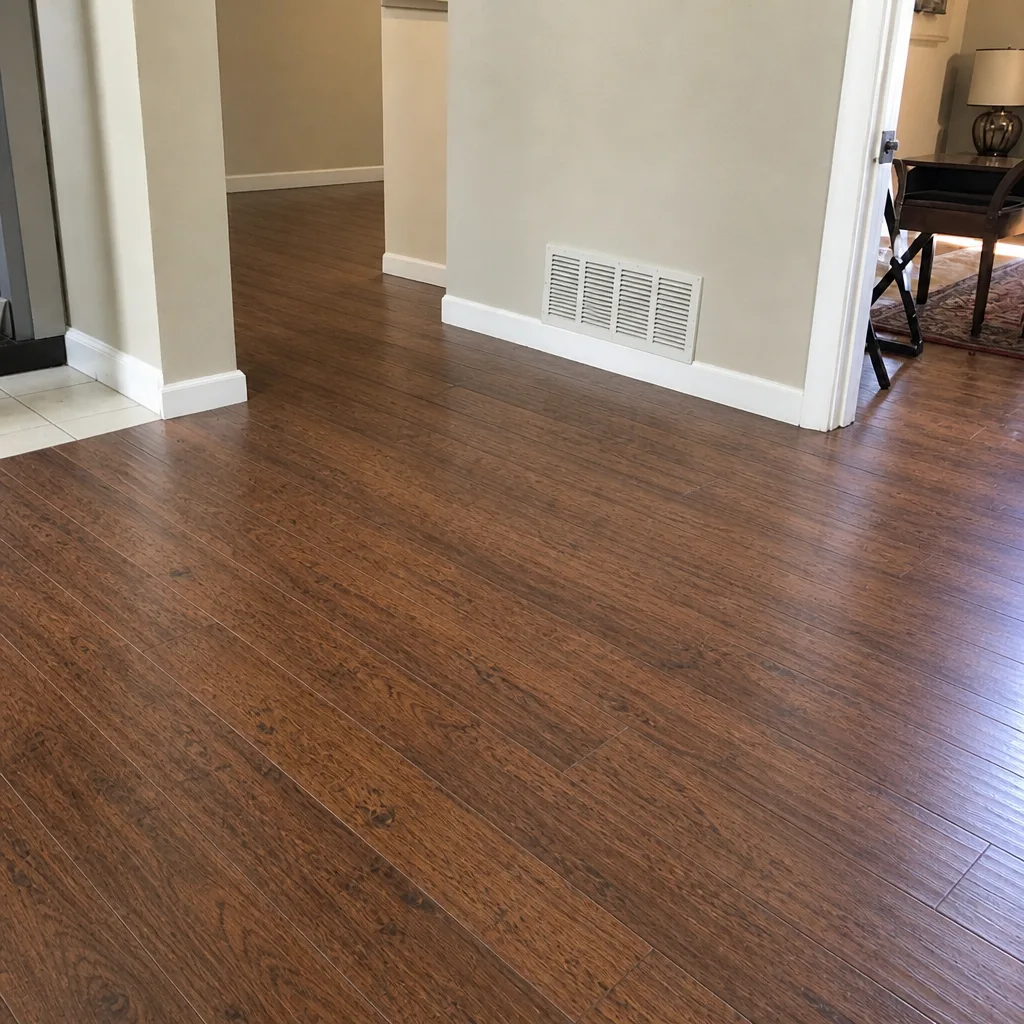
- Before-and-after photos. You should see the inside of your own ducts, not a stock image. Photos are the simplest way to confirm the work was actually done.
- A short findings report. Any disconnected runs, damaged liners, or coil contamination found during the job should be written down so you know what the next step is.
This checklist is also your defense against the biggest complaint in this industry: a low quoted price that becomes a much larger invoice once the technician is on site. We work to a single flat price per system, agreed before any work starts, with no per-vent pricing and no surprise add-ons. You’ll see photos of your own ducts. If a company can’t tell you what the price covers before they start, that’s your signal to ask more questions.
Temporary Fix vs. Durable Solution: When Cleaning Isn’t Enough
Cleaning is the right answer when the problem is contamination. It’s a temporary fix when the problem is mechanical, because the underlying condition remains. Understanding which is which tells you whether you’ll be calling again next season.
Cleaning is durable when:
- The complaint is odor, dust, or allergy symptoms, and diagnostics show a connected, intact system.
- There’s no significant leakage or disconnected run, and static pressure is within a normal range.
- Filtration and humidity are under control after the job.
Cleaning is temporary when:
- A duct run is disconnected or a liner is torn. Debris will reaccumulate, and the delivery problem is untouched.
- The coil is contaminated. Cleaning the ducts without addressing the coil leaves the source in place.
- Seams and joints are leaking. You’re paying to clean a system that’s pulling unfiltered air back in.
- The ductwork itself is collapsing or undersized. At that point, repair and sealing, or in some cases replacement, is the durable fix.
For most Park Hill homes we look at, the answer is a combination: clean the system, repair and seal what’s leaking, then add filtration so it stays clean. That’s why we treat duct repair and sealing as a first-party service rather than referring it out. Stopping at the cleaning and handing you a phone number for someone else to fix the leak adds cost and coordination you shouldn’t have to manage. Our air duct cleaning and sealing work are handled by the same team, so the findings from one inform the other.
Duct Repair and Sealing: The Fix Most Cleaning Companies Skip
Leaky and disconnected ducts are the most commonly missed cause of “my ducts are still a problem after cleaning.” A duct system that loses a meaningful share of its air to an attic or crawlspace is working harder than it needs to, and no amount of cleaning changes that. Sealing closes the gap.
What repair and sealing typically involves:
- Locating disconnected runs, torn liners, and open seams, often using a camera inspection.
- Reconnecting runs at the collar and sealing joints with materials rated for the duct type and temperature.
- Rechecking static pressure after sealing to confirm the system is delivering air the way it should.
- Confirming supply and return balance across rooms after the repair.
This is where the equipment matters for a thorough job. Negative-air containment using Abatement Technologies equipment captures dislodged debris at the source rather than pushing it through the home during the work. Cleaning without containment can redistribute dust into the living space, which is one reason some homeowners feel worse after a cheap cleaning instead of better.
If your home in Park Hill has a room that’s never felt right, or a system that seems to push less air than it used to, sealing and repair is often the durable answer. It’s also the step that makes a cleaning last.
How a Contained, Verified Cleaning Actually Works
A thorough cleaning follows a sequence, and knowing the sequence helps you judge whether a company is doing the job properly. It’s not a matter of running a vacuum through a vent for a few minutes.
- Containment. Negative-air equipment creates a pressure differential that pulls dislodged debris into the collection system rather than into the room. This is the step that separates a professional job from a consumer vacuum attachment.
- Agitation. Professional brush systems loosen debris from duct walls. We use Rotobrush and Nikro platforms, which are purpose-built for duct cleaning and specified by commercial contractors, rather than shop vacuums or homeowner kits.
- Extraction. Loosened debris is captured and removed. The system is worked through each connected run, not just the easy-to-reach sections.
- Sanitizing. As a final step, a sanitizing treatment is applied to inhibit microbial growth inside the cleaned ductwork. We use Guardsman for this pass.
- Verification. Before-and-after photos, a static pressure check, and a filter baseline close the job. Any findings from the work are written down so you know what comes next.
If your home also needs a filtration upgrade after cleaning, we supply and install Honeywell and Aprilaire air-quality products, which extend the job from a one-time clean into a longer-term filtration and humidity solution. It’s one call for the cleaning, the sealing, and the filtration, rather than coordinating three vendors.
Our technicians have up to 8 years of experience with this sequence. If you’re also dealing with a dryer vent that hasn’t been touched, our dryer vent cleaning service handles it in the same visit, and the same equipment and containment approach applies to the broader system when we handle HVAC cleaning.
Common Mistakes to Avoid
- Booking a cleaning to fix weak airflow. Weak airflow is usually a delivery problem, not a dirt problem. A cleaning won’t fix a disconnected run, so ask for diagnostics first. In an older Park Hill home, that’s the most common reason a cleaning “didn’t work.”
- Skipping the post-cleaning verification. If a company doesn’t offer before-and-after photos of your own ducts or a static pressure reading, you have no way to confirm the work was done. Ask what verification looks like before you book.
- Assuming one cleaning fixes everything. A cleaning addresses contamination. If the coil is contaminated or a run is disconnected, the cleaning is incomplete by design. A findings report tells you what still needs doing.
- Chasing the lowest quote. A price that’s dramatically lower than the rest usually doesn’t include containment, verification, or the time to do the job properly. The cheap price is often the front end of a larger invoice once the technician is on site.
- Ignoring the seal after the clean. Cleaning a system with open seams is like mopping a floor with the door open. Sealing is what makes the cleaning last in a Park Hill home with older ductwork.
- Skipping the filter and humidity picture. A clean system with a loaded filter and no humidity control will be dirty again soon. Filtration and humidity are part of the air-quality job, not an add-on for later.
- Waiting for a smell before thinking about the ductwork. Odor is one contamination signal, but airflow and temperature imbalance are mechanical signals that deserve attention on their own. Not every duct problem announces itself with a smell.
See the difference
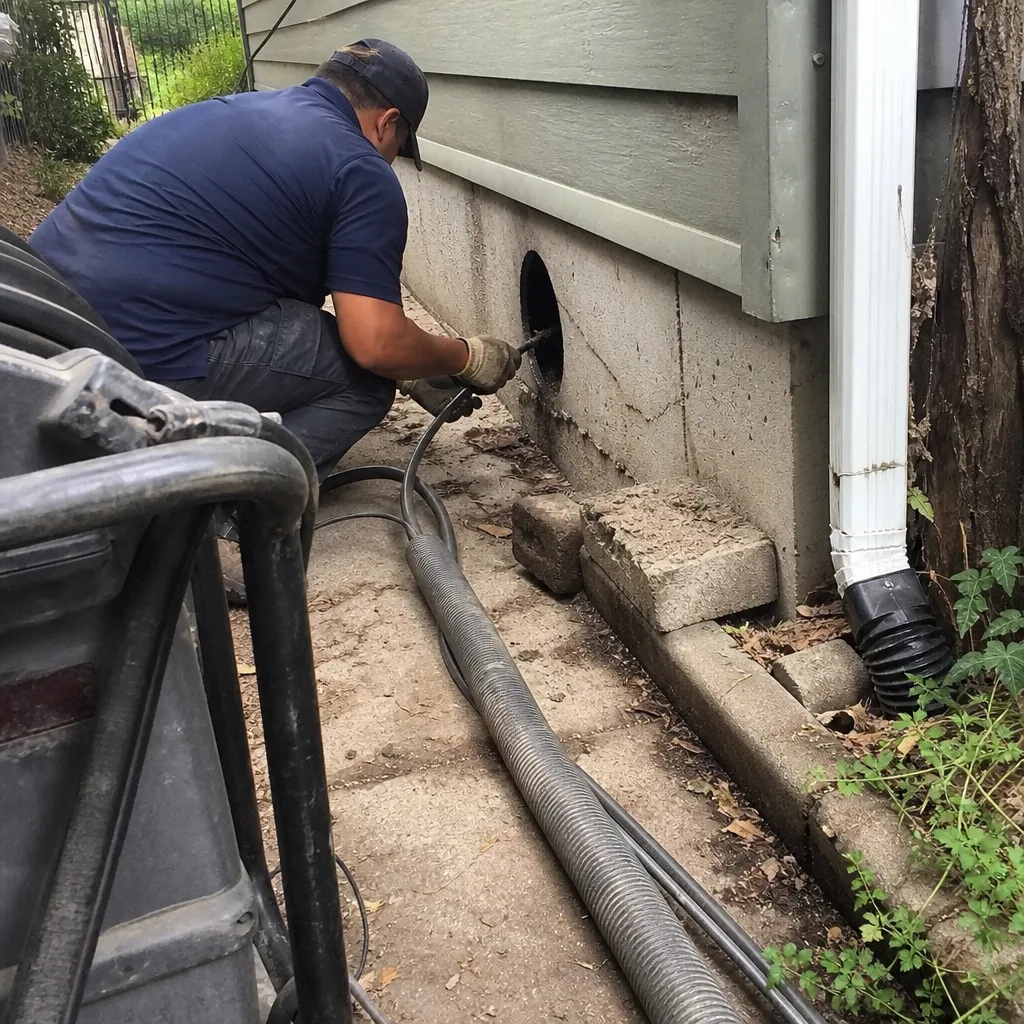 Before
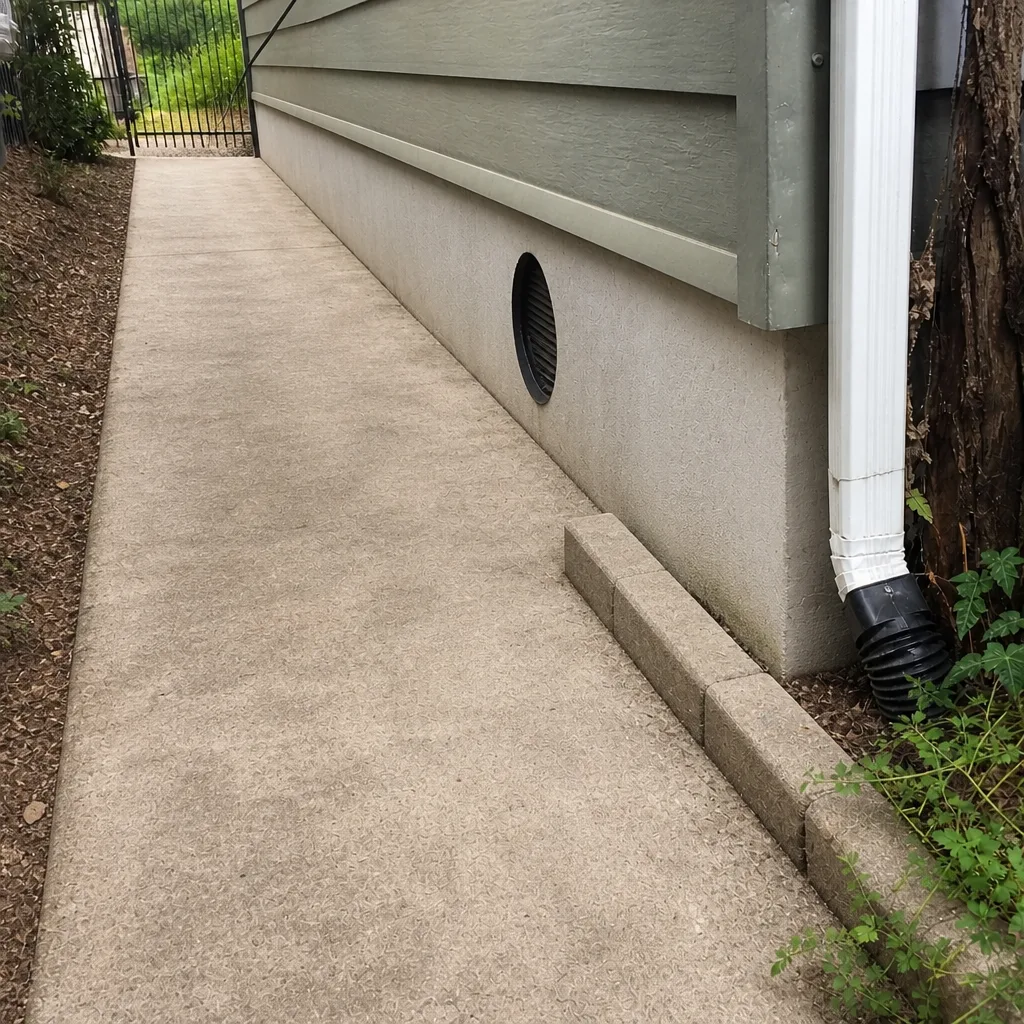 After
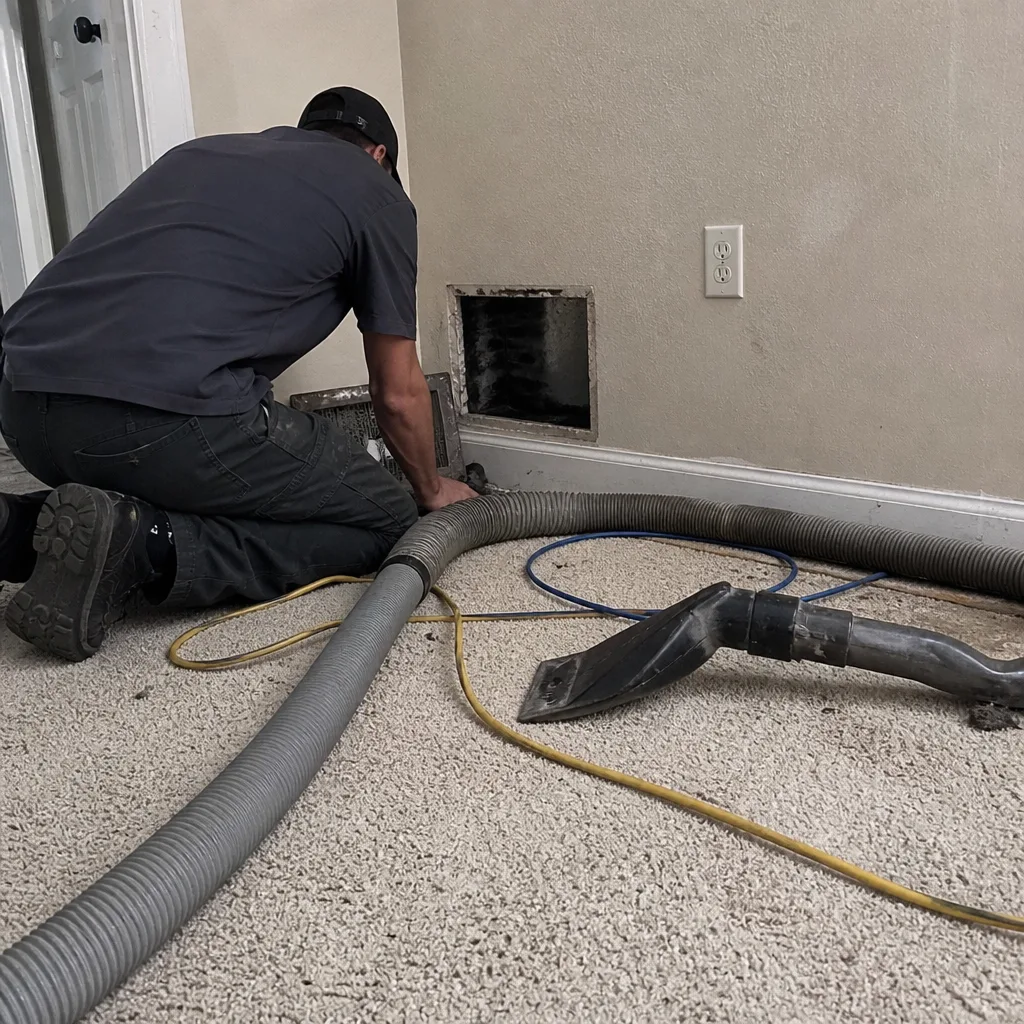 Before
 After
 Before
 After
When to Call a Professional
Some things are worth watching for a week. Others are worth a call. If you’re seeing any of the following, it’s time to have the system looked at: a room that never reaches temperature no matter what the thermostat says, a persistent musty odor when the system starts, visible dust settling fast despite a clean filter, or a system that’s running constantly with little effect. In a Park Hill home built before 1990, add “the upstairs is always warmer than the downstairs” to that list. Those are symptoms, not diagnoses, and the diagnostic step is what tells you whether you’re facing a cleaning, a repair, or both. That’s why we offer free estimates in Park Hill. Call (866) 964-3950 to schedule. We answer 24/7. Fast dispatch from 7am to 7pm, Sunday through Friday.
Frequently Asked Questions
Because airflow problems are usually mechanical, not contamination-related. A disconnected duct run, a leaking seam, or a contaminated coil won’t be fixed by cleaning the ducts; the system still isn’t delivering air the way it should. The fix is diagnostics followed by repair and sealing. Call (866) 964-3950 for a free estimate and we’ll help you figure out which one you’re dealing with.
The price depends on the number of systems, the layout of the ductwork, and whether repair or sealing is needed. We set one flat price per system, agreed before any work starts, with no per-vent pricing and no surprise charges. The written estimate sets the final price, and estimates are free. Call (866) 964-3950 for an exact quote.
Look at the pattern. Dirty ducts tend to cause odor, dust, and allergy symptoms spread through the whole system. A disconnected run tends to cause weak airflow and temperature imbalance concentrated in one room or one zone. A duct pressure test and a camera inspection confirm which one you have. Call (866) 964-3950 and we’ll walk you through it.
Usually because they leave out steps that make the job thorough: negative-air containment with Abatement Technologies equipment, professional agitation systems like Rotobrush and Nikro, verification photos, and a static pressure check. A lower price often means less of that. We quote a flat price per system and use photos of your own ducts so you can see what was done. Call (866) 964-3950 for a free estimate.
It depends on your symptoms. A pressure test is the right first step when the complaint is airflow, uneven temperatures, or a system working harder than it used to. A camera inspection is the right first step when you suspect a specific disconnected or damaged run. In older Park Hill homes, both are often warranted. Call (866) 964-3950 and we’ll help you decide.
There’s no single number that fits every home. Contamination load, filter habits, humidity control, pets, and recent renovations all affect timing. A home with a clean filter, good humidity control, and no symptoms may go longer between cleanings, while a home that’s just been renovated or has allergy concerns may need it sooner. What matters more than a schedule is checking whether the system is still working efficiently. Call (866) 964-3950 for a free estimate and we’ll assess whether a cleaning is due.
The Bottom Line
Most of what homeowners in Park Hill blame on dirty ducts comes down to a handful of causes: contamination, a disconnected run, a leaking seam, or a contaminated coil. Cleaning handles the first. Diagnostics and repair handle the rest. If you’re going to spend money on your ducts, spend it on the right fix: identify your symptoms, get a pressure test or camera inspection as warranted, and ask for verification after the work. If a cleaning didn’t solve your airflow problem, the likely answer isn’t another cleaning. It’s diagnosis. For a free estimate in Park Hill, call (866) 964-3950 and we’ll help you figure out which fix your home actually needs, from cleaning to sealing to sanitizing.
Written by the team at Air Duct Cleaning Park Hill.