
Last updated November 23, 2026
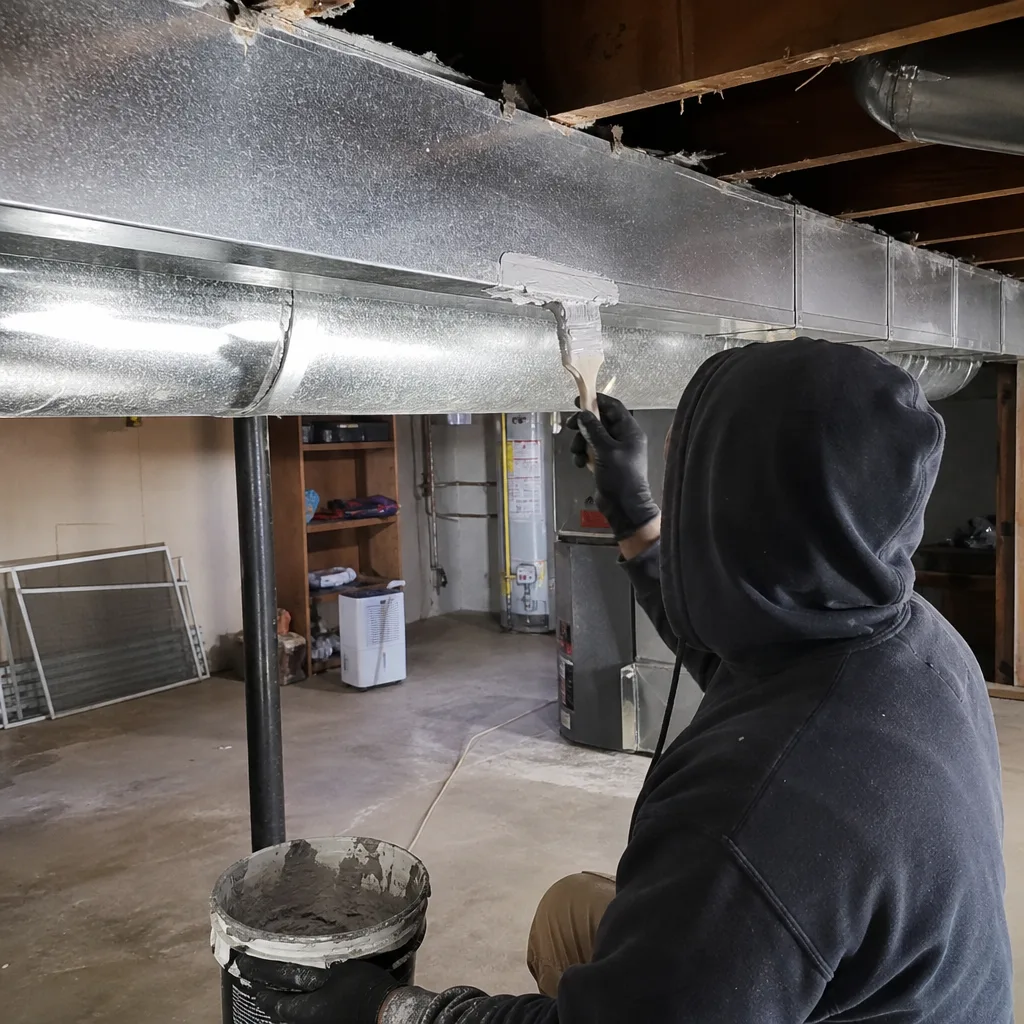
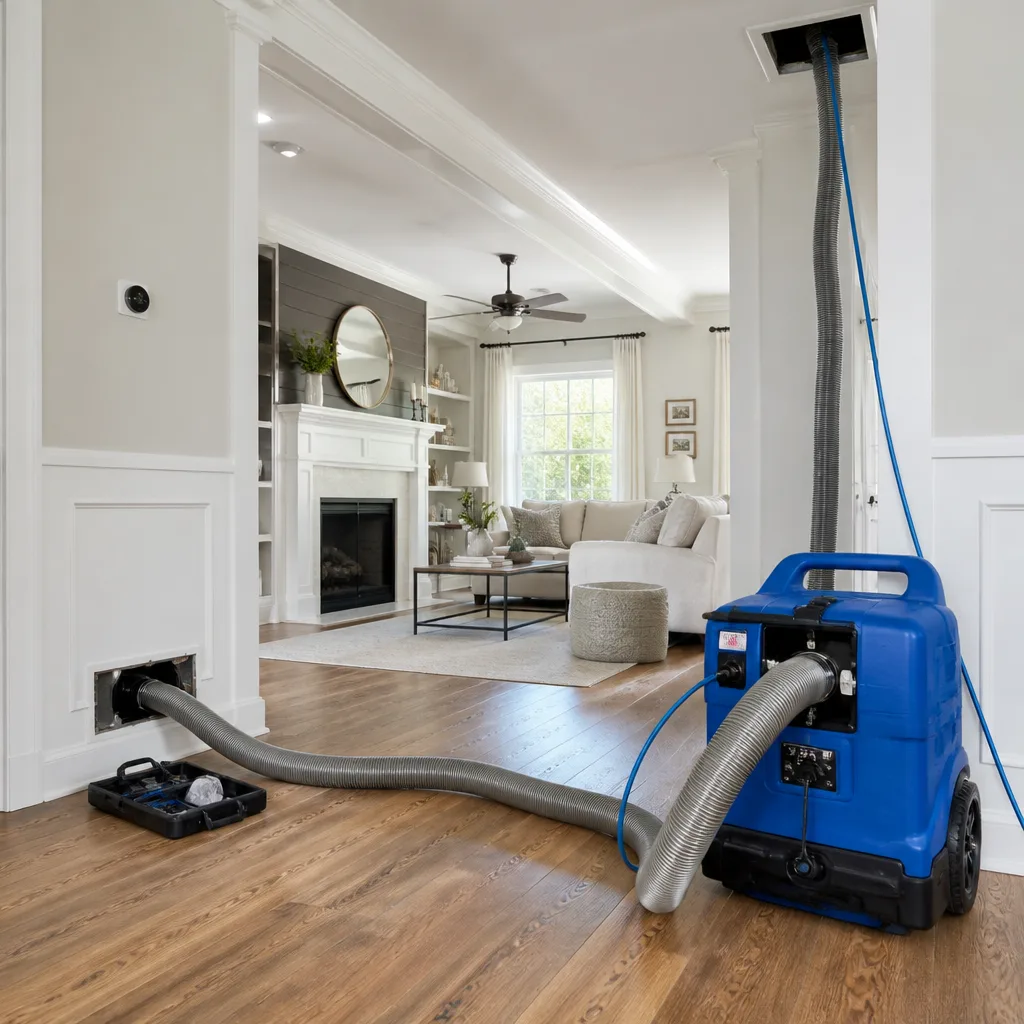 Whole-home duct cleaning
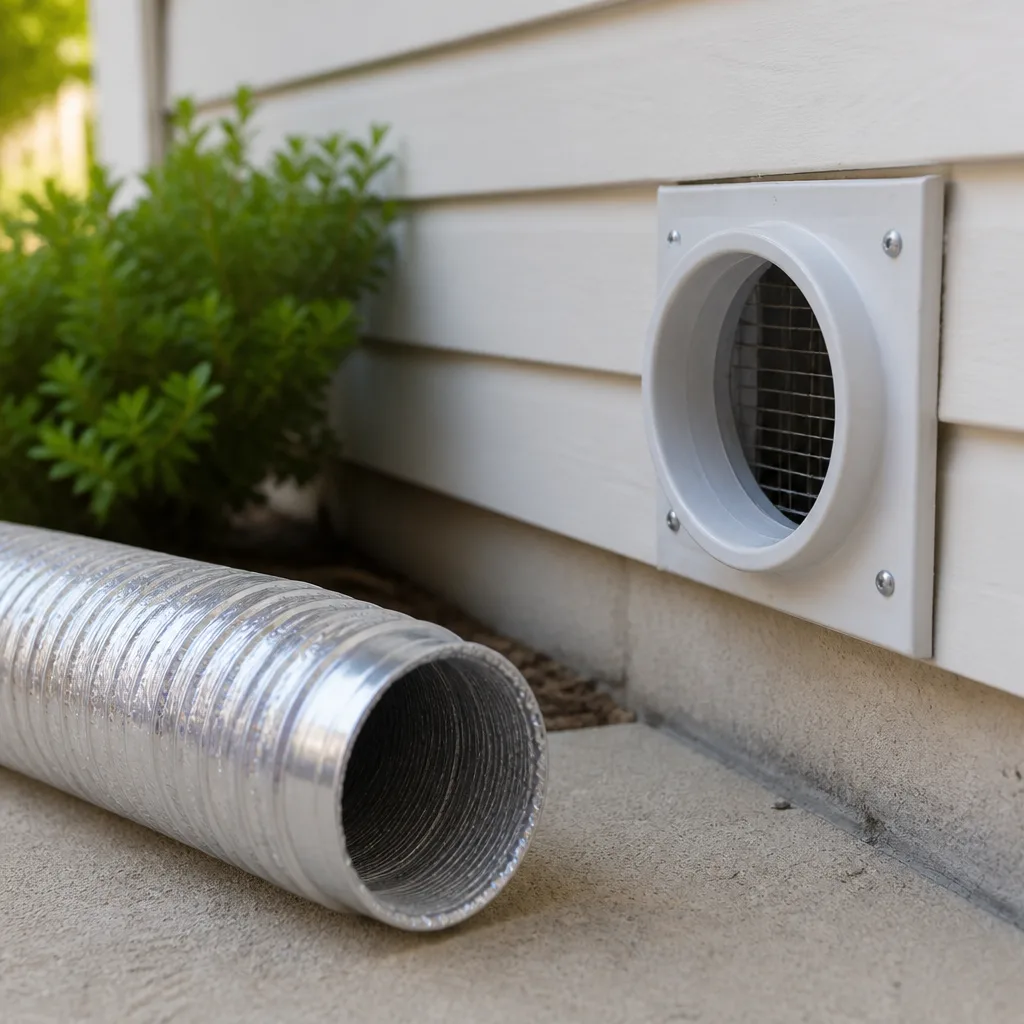 Dryer vent cleaning
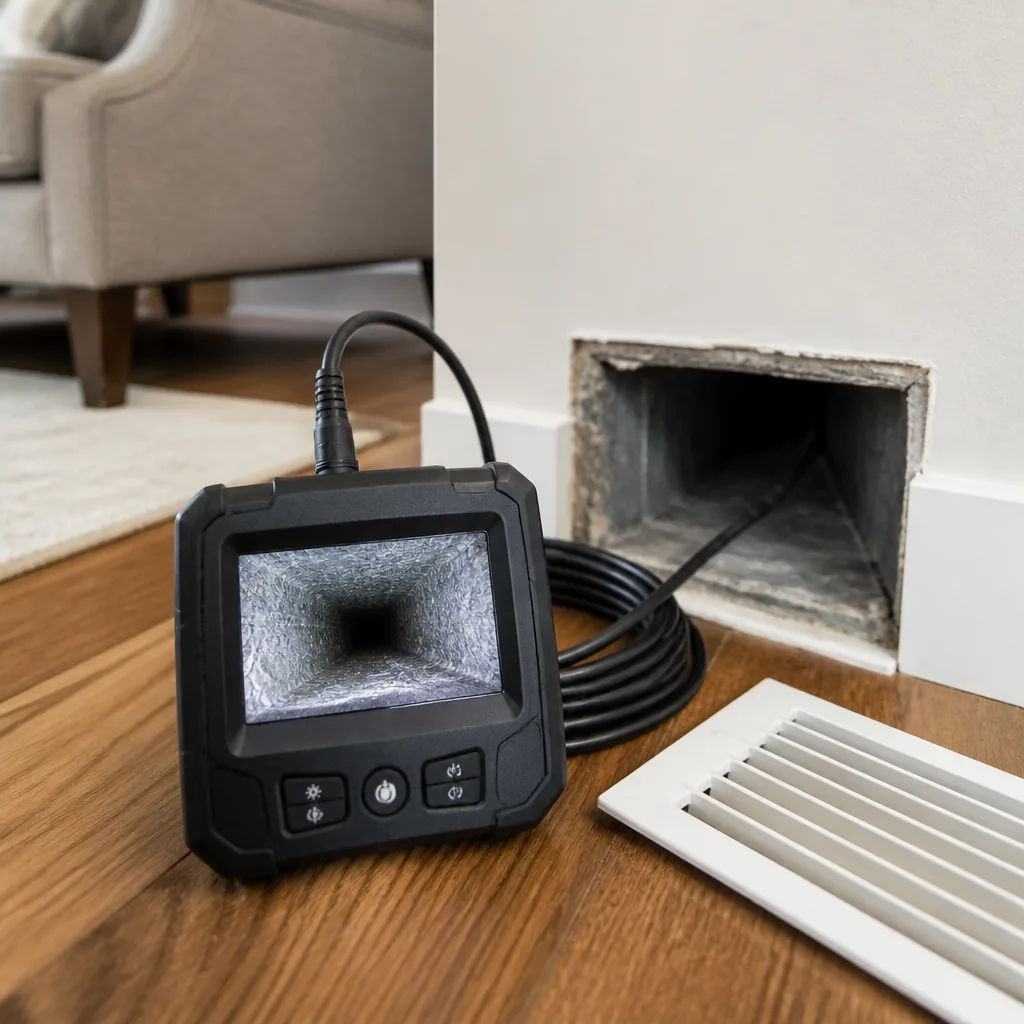 Camera inspection
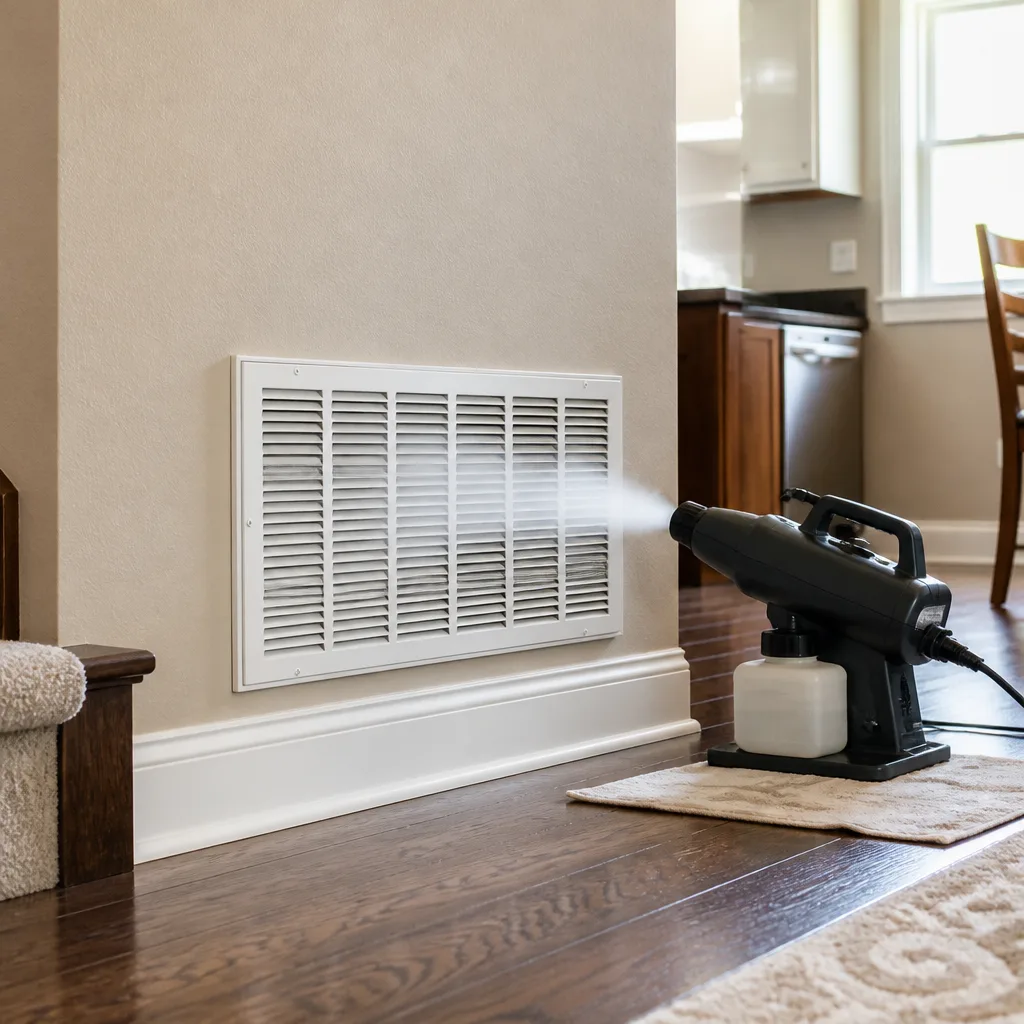 Sanitizing & deodorizing
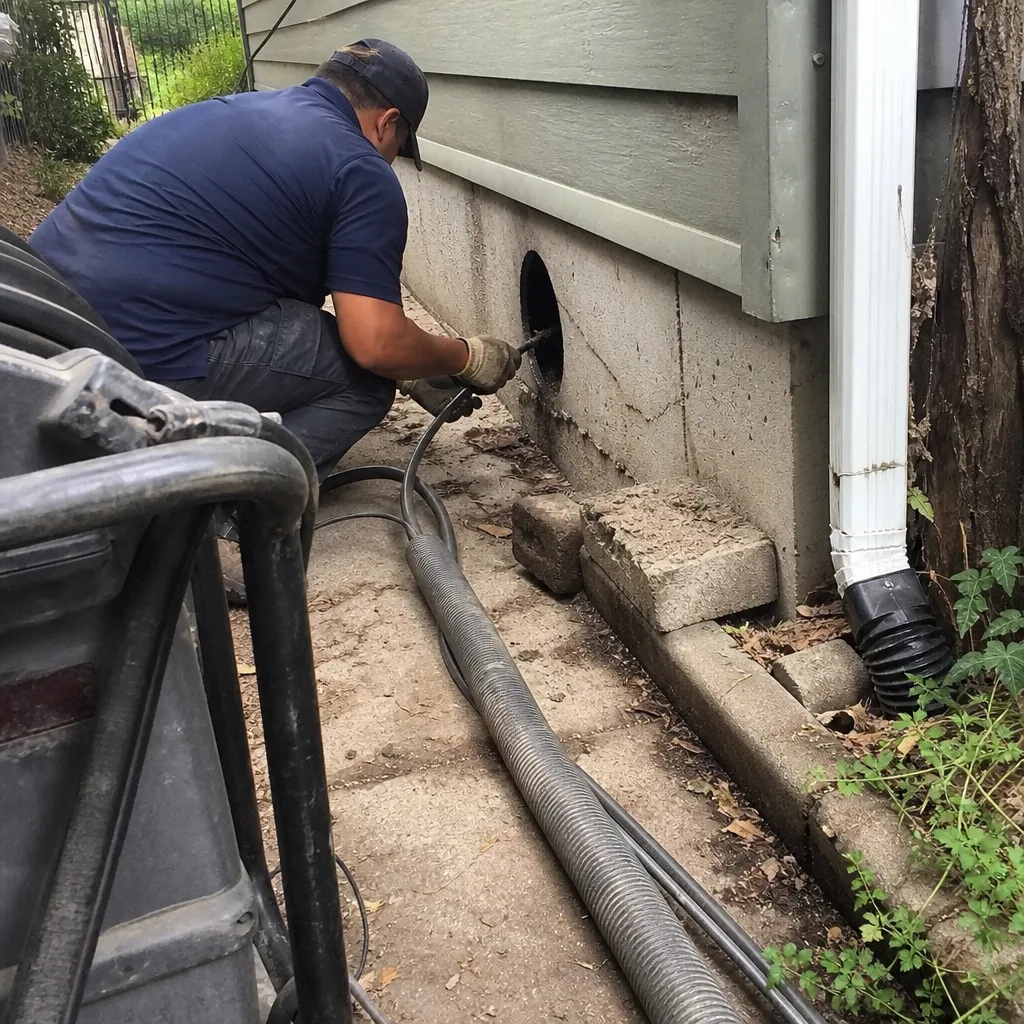
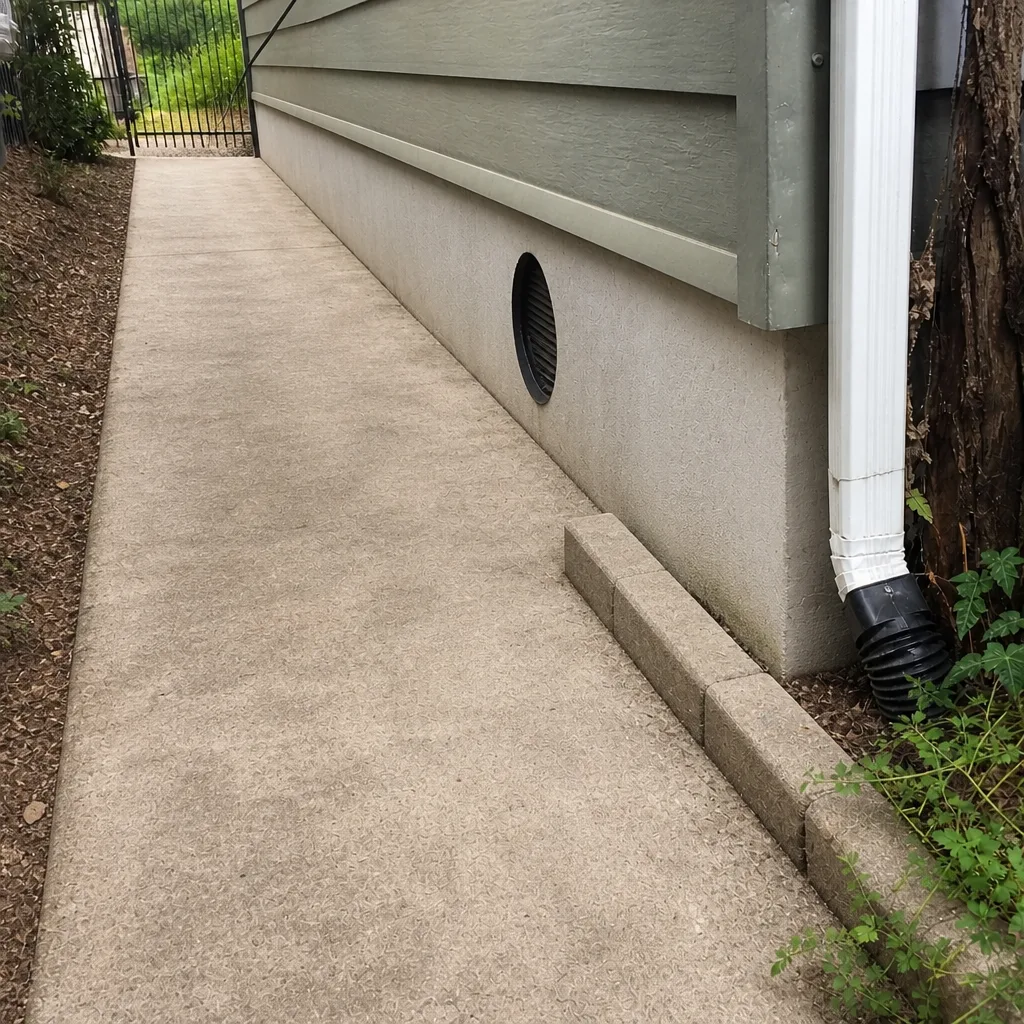
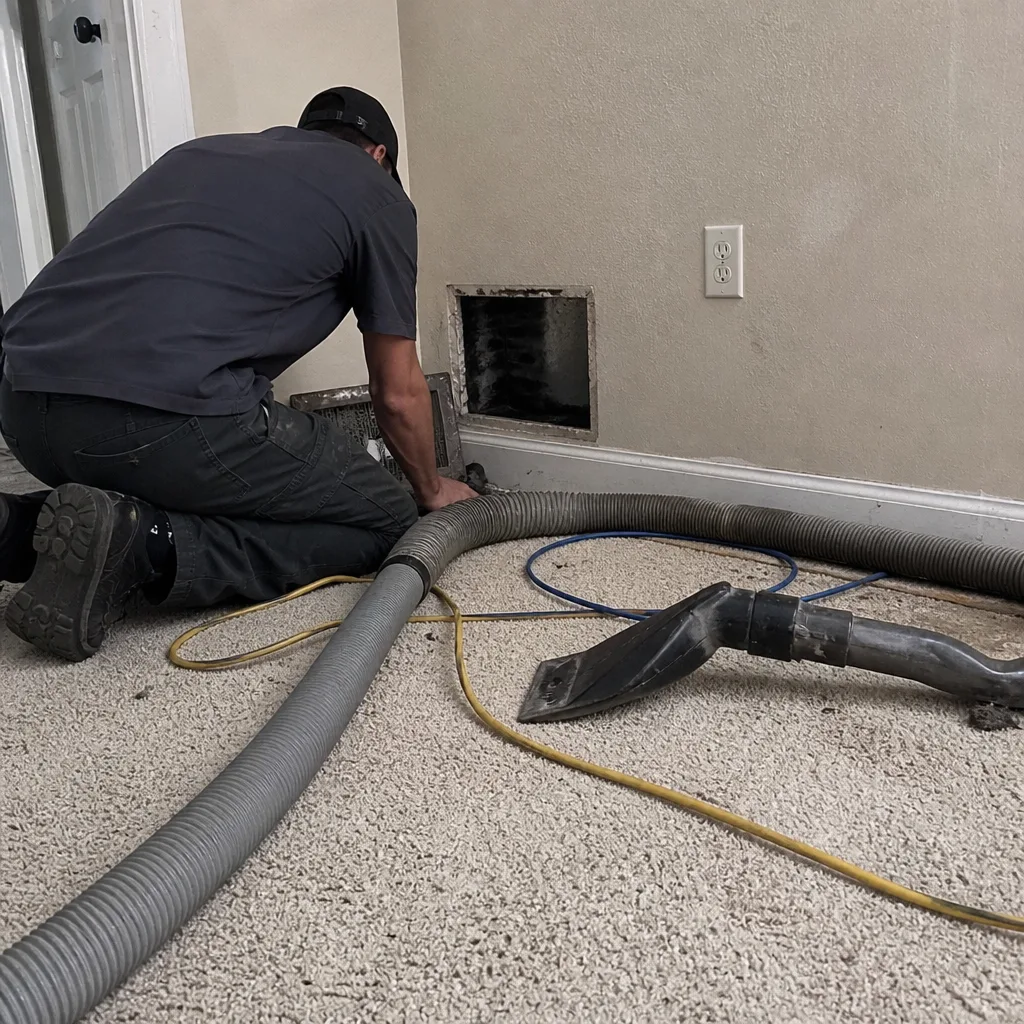
Whole-system duct and dryer vent check with before-and-after photos - you see exactly what came out of your vents
That "$99 whole-house special" is a bait ad - the real number appears once they are in your hallway, or the "clean" is a shop-vac at the register. We photograph the inside of your ducts before and after instead.
Air Duct Cleaning Warning Signs: A Park Hill Homeowner’s Reference Guide
Visible dust on a register is a late-stage warning sign, not an early one. By the time debris builds up where you can see it, the trunk line has usually been collecting settled particulate for months, sometimes years, and the branch runs feeding individual rooms have been quietly narrowing the whole time. Most homeowners in Park Hill start looking for answers after the obvious symptom appears, which is exactly backwards. The useful signals show up earlier, in airflow, in smell, in allergy patterns, and in the way a home behaves when the furnace or AC kicks on. This guide covers those earlier signals, with the specifics that matter for older Denver housing stock like the homes here, and what each one tells you about what’s actually inside the system.
Quick Answer
Air duct cleaning warning signs in a Park Hill home include uneven airflow between rooms, a musty smell on the first few minutes of HVAC runtime, a white-tissue test that collects dark or colored debris at a supply register, allergy symptoms that track with furnace or AC use, and flaking liner inside fiberglass-lined ducts from the 1960s and 1970s. Any single one is worth investigating; two or more usually points to real accumulation in the trunk line rather than a filter problem.
Styles & brands we work with
- Whole-home duct cleaning
- Dryer vent cleaning
- Camera inspection
- Sanitizing & deodorizing
Table of Contents
- Airflow Asymmetry: When One Room Stops Keeping Up
- The Musty-on-First-Run Smell and Why It’s More Concerning Than a Persistent Odor
- The White Tissue Test: Reading Debris Color at the Register
- Allergy Symptoms That Track with HVAC Runtime
- Park Hill’s Older Homes: Flaking Liner and What to Do About It
- Signs the Problem Isn’t the Ducts Alone: Dryer Vents, Coils, and Sealing
- How to Document What You Find Before You Call Anyone
- What a Professional Cleaning Actually Involves
Airflow Asymmetry: When One Room Stops Keeping Up
If a bedroom that used to heat and cool as well as the rest of the house now runs a few degrees warm in summer or cold in winter, the first instinct is usually to blame the thermostat or a failing furnace. In our experience, uneven conditioning in an older home is more often a partial blockage than a control problem. Something upstream of that room’s branch run is restricting flow, and the system is delivering less air to that leg while the rest of the house gets more than its share.
Airflow asymmetry is one of the earliest warning signs because it appears before you notice anything unusual at the register. The restriction grows gradually, so you adapt to it without realizing it: you close the door, you add a space heater, you stop using the room in January. The ductwork doesn’t care whether you’ve adjusted around it.
What to check first, in order:
- Confirm it’s structural, not seasonal. Note whether the same room is consistently off, not just on the hottest or coldest days. A room that lags only in extreme weather is a capacity question; a room that lags every day is a flow question.
- Compare register output by feel. Hold your hand a few inches from the register face in the affected room and in a room that conditions well. A noticeably weaker push in one room points to restriction in that branch or the trunk feeding it.
- Rule out the obvious. A closed or blocked supply damper, a crushed flex run behind drywall, or furniture pushed over a return can all mimic duct contamination.
- Suspect the trunk line. If the room was fine for years and has drifted, settled debris or a partial collapse inside the trunk is the more likely explanation, and that calls for a visual inspection.
In Park Hill’s pre-war and mid-century homes, the branch runs are often long, and the original metal work has had decades to accumulate silt at the joints and elbows. Partial restrictions build up at exactly those points. If you’ve ruled out dampers and furniture, it’s worth having the ducts examined before you spend money on HVAC repair you may not need. Our HVAC cleaning team can inspect the whole system, not just the visible runs, when airflow is the question.
The Musty-on-First-Run Smell and Why It’s More Concerning Than a Persistent Odor
A musty smell that hits the moment the furnace or AC starts and then fades within ten minutes is more diagnostic than an odor that never goes away. The transient smell tells you moisture cycles inside the system: it accumulated while the system sat idle, then got pushed out and replaced by dryer air when the blower ran. A constant smell can come from anywhere in the house. A first-run smell comes from inside the ductwork.
Where that moisture comes from in a Park Hill home depends on the season. In cooling season, the evaporator coil and the plenum around it shed condensate, and humid air works its way into duct runs that have cooled below the dew point. In heating season, the culprit is usually a return duct in a basement or crawlspace that pulls damp air from unheated space into the living-side system. Either way, the duct interior stays moist long enough for microbial growth to establish a foothold.
What the pattern tells you:
- Musty for 10 minutes, then clear: moisture cycling inside the ducts, likely with microbial growth on the duct surfaces or insulation facing. This is the pattern worth investigating first.
- Musty the entire time the system runs: often a coil or condensate pan issue rather than the ducts themselves. Cleaning the ducts alone won’t solve it if the coil is the source.
- Musty only in cooling season: consistent with a damp coil or drain pan feeding moisture back into the airstream.
- Musty only in heating season: consistent with a leaky return in a basement, crawlspace, or garage run pulling unconditioned air in.
Moisture plus organic dust is the combination that promotes growth. A professional cleaning removes the dust, and a sanitizing pass helps inhibit regrowth, but if the moisture source isn’t addressed the smell will return. That’s why our air duct cleaning service includes an inspection step before the cleaning itself, and why we often recommend Air Duct Cleaning Park Hill as the starting point for a full indoor-air review when a smell follows a specific pattern.
The White Tissue Test: Reading Debris Color at the Register
A white tissue held a few inches from a supply register while the system runs is the simplest diagnostic you can do at home, and most homeowners have never tried it. Hold a plain white tissue in front of the register face for about a minute. Debris that lands on the tissue tells you what’s circulating through the system, and the color of that debris tells you where it came from.
This is a screening test, not a diagnosis. It’s most useful when repeated on several registers in different rooms, because comparing results tells you whether the problem is localized or whole-system.
How to read the tissue:
- Light gray debris: ordinary household dust and lint. Expected in any home, but heavy gray buildup on a tissue after a minute is worth noting.
- Black or dark gray debris: often soot from candles, fireplace backdraft, or smoke. Also consistent with worn duct insulation facing or degraded internal sealant. Not something you should be breathing at the rate the furnace pushes it.
- Orange or rust-colored debris: corrosion from the interior of galvanized ductwork, common in homes where moisture has been cycling inside the system, or where condensate has been sitting against duct metal.
- White, chalky debris: drywall dust, usually leftover from a renovation that wasn’t sealed off from the return system. A frequent pattern in homes that had work done recently.
- Fibrous, fluffy debris: fiberglass fragments from interior duct liner or insulation. More on that below, and it’s a reason to stop and call a specialist rather than run the system and wait.
Pair the tissue with a visual look into a few registers using a flashlight. If the duct interior shows a consistent coating of dark material or visible liner deterioration, the tissue is confirming what you’ll see. If the duct interior looks clean but the tissue picks up dark debris, the source is upstream or on the return side. Either way, note the colors and the registers where they appear, because that documentation makes the eventual inspection faster.
Allergy Symptoms That Track with HVAC Runtime
Allergy symptoms related to contaminated ducts follow a specific pattern that distinguishes them from outdoor air quality or other indoor sources: they correlate with HVAC runtime. Not with the season, not with the weather, and not with whether the windows are open. They get worse as the furnace or AC runs and better when the system sits idle for a stretch.
In a house with central air, the system runs more hours per day in peak summer and peak winter than in the shoulder months. If a household member’s symptoms track that curve, duct contamination is a strong candidate. Outdoor pollen exposure peaks with the season, not with the blower. Dust mites in bedding peak with humidity, not with the blower. Pet dander is constant. Mold growth inside the ducts is what most closely matches the runtime pattern, because it’s inside the airstream.
Things that point toward the ductwork specifically:
- Symptoms cluster in specific rooms. A bedroom fed by a contaminated branch will trigger symptoms consistently while a room with a clean branch won’t.
- Symptoms improve on vacation and worsen shortly after returning home. Not a perfect test, but a useful one.
- Symptoms are worse the first day the heat comes on for the season. That’s when accumulated particulate gets the biggest push through the system in one day.
- A new baby or a recently diagnosed asthma or allergy case in the household. A common reason Park Hill homeowners start asking about the air they’re circulating, and a good reason to get the system checked rather than wait for a visible symptom.
- A recent renovation or a home purchased and moved into within the past year. Construction dust and the previous owner’s occupancy both leave residue in the ducts.
None of these proves the ducts are the source, but the pattern points there when the conventional explanations don’t fit. If the symptoms have a runtime correlation, it’s worth having the system inspected before assuming the problem is seasonal.
Park Hill’s Older Homes: Flaking Liner and What to Do About It
Fiberglass interior duct liner that was common in Park Hill homes built in the 1960s and 1970s can degrade into flakes, and when it does, the system is blowing insulation fibers into the rooms. This is one of the reasons we ask about build era during an inspection. Mid-century construction in this neighborhood often paired galvanized sheet-metal trunks with acoustically lined branch runs, and that liner has been exposed to decades of airflow, temperature cycling, and moisture.
What degradation looks like in practice:
- Flakes or fibrous material visible at the register face, or collected on a tissue during the diagnostic above
- Liner peeling away from the duct wall, visible with a flashlight into a register boot
- A billowing or “fuzzy” appearance at the register face while the system runs
- Liner sagging into the air path, restricting flow and adding a flutter sound
Two things matter here. First, flaking liner is a materials problem, not a dust problem, and cleaning alone won’t resolve it. The affected sections need to be assessed and either lined properly, encapsulated, or replaced. Second, this is one of the cases where running the system while you wait for an appointment is a bad trade. You’re moving fibrous material through the household instead of filtering it, and the fix will involve the duct itself.
Duct repair and sealing belongs in the same conversation. Older systems develop joint failures and pressure leaks, and a sealed system both holds its pressure for the HVAC equipment and keeps the air inside the ducts where it belongs. Our air duct cleaning service is often the entry point, but the honest answer for a home with flaking liner is that the repair has to come before or alongside the cleaning, and it needs a specialist who handles both rather than one who stops at the clean and refers you out.
Signs the Problem Isn’t the Ducts Alone: Dryer Vents, Coils, and Sealing
Homeowners often look at ductwork in isolation when the underlying problem spans the whole system. Three of the most common adjacent issues in a Park Hill home show up as duct symptoms but originate somewhere else. Catching them at the same time saves a second appointment and often explains why a duct cleaning didn’t seem to “take.”
What to look for outside the duct runs themselves:
- Longer dryer drying times or a hot dryer top. This points to a clogged dryer vent, which is separate from the ductwork but part of the same indoor-air and safety picture. It’s a leading cause of residential fires, and it’s often overlooked by contractors who only do ducts. Our dryer vent cleaning handles it as part of the same visit when both are due.
- A musty smell that survives a duct cleaning. Usually a wet evaporator coil or a drain pan that isn’t fully draining. Cleaning the ducts can’t fix the coil, and the smell will return within a season if the moisture source isn’t addressed.
- Air smells “thin” or insulation-dusty in specific rooms. Often an unsealed joint or a disconnected run behind a wall or in a chase. Sealing is the fix, not cleaning.
- Visible mold at a register boot or return grille. Not a duct-cleaning problem on its own; the moisture source and the affected section both need attention.
- Recurring dust on horizontal surfaces within days of cleaning the house. Sometimes filter or return-side rather than supply-side. Worth comparing the return filter condition against the system runtime hours.
These are the cases where a specialist with the full service menu under one roof beats a price-leader generalist. We handle cleaning, dryer vent cleaning, HVAC cleaning, duct repair and sealing, and air sanitizing as first-party services, so the answer to a mixed problem isn’t a referral chain.
How to Document What You Find Before You Call Anyone
A ten-minute walkthrough before you make the call turns a vague “the house feels dusty” into a specific inspection that goes faster and often costs less. Document what you can see, feel, and smell systematically. The notes don’t need to be elaborate; they just need to be specific enough that the technician knows what to look at first.
Work through this in order:
- Walk every room and rank the registers. Note which rooms feel strongest, weakest, or off. This is your baseline for the airflow asymmetry test.
- Do the tissue test at each supply register. Use a fresh white tissue each time. Note color, amount, and which room.
- Time the first-run smell. Note which rooms smell musty, whether it’s the whole house or specific rooms, and whether it disappears within ten minutes, an hour, or stays.
- Symptom log. For a week, note who in the household has symptoms and whether they correlate with HVAC runtime. It’s less work than it sounds, and the pattern is what matters.
- System notes. Date of last filter change, whether the ducts are metal or flex, approximate age of the home, and any recent renovation or waterproofing work.
- Photos at the register face. A phone photo of the duct interior taken through the grille with a flashlight is enough for a technician to see whether they need to bring the more involved equipment.
When the technician arrives, that documentation cuts inspection time and gets the conversation onto what actually needs doing rather than walking the whole house from scratch.
What a Professional Cleaning Actually Involves
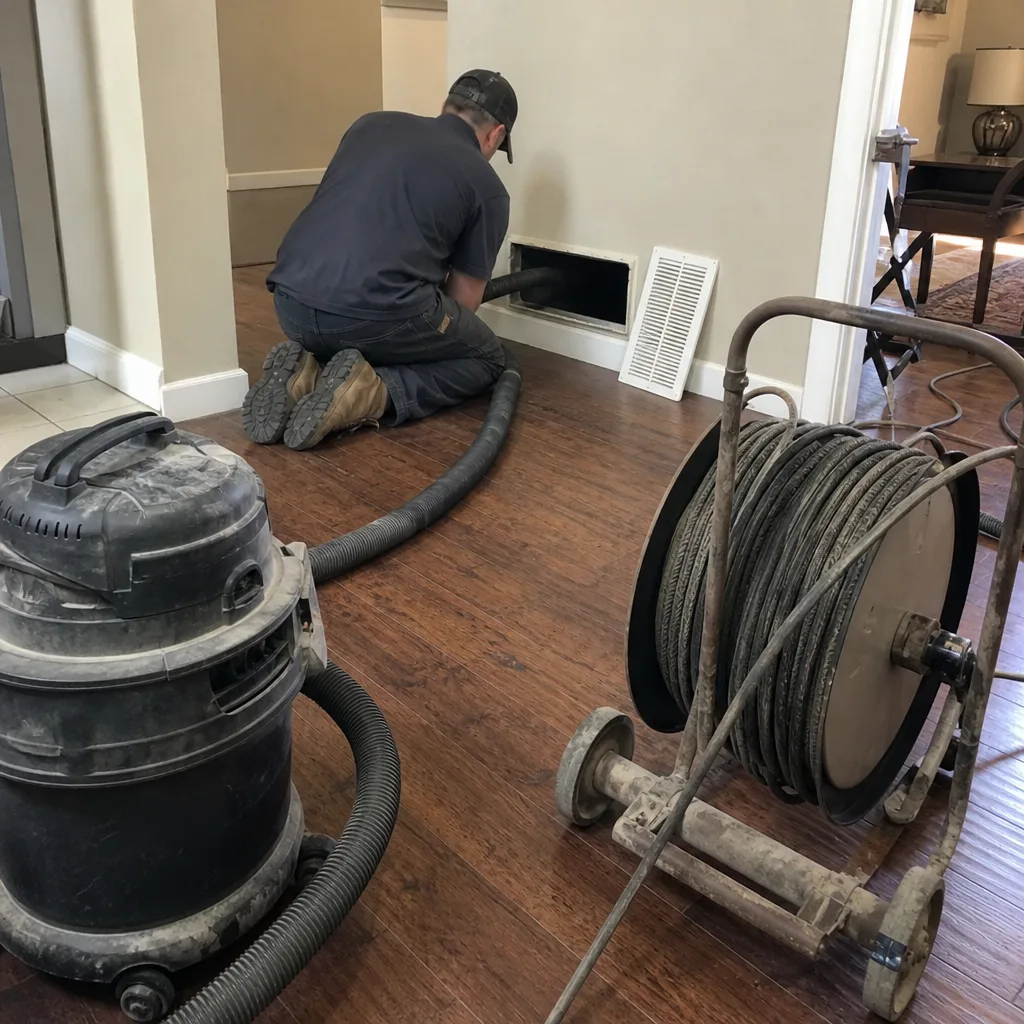
A professional duct cleaning is not a shop vacuum on a hose, and the difference matters for what you’ll get out of it. Equipment is what separates a real clean from a surface pass. The systems we run are built for the job: a Rotobrush and Nikro platform agitates and extracts debris from the duct walls rather than blowing it downstream, and an Abatement Technologies negative-air setup keeps the debris contained at the source so it doesn’t get redistributed into the living space during the work.
What a full cleaning covers, in the order we usually work:
- Inspection first. Registers, returns, trunk line, coil, and any liner condition issues. The inspection is where flaking liner, sealing problems, or coil moisture get caught before they’re cleaned over.
- Containment. Negative-air equipment set up so that what comes off the duct walls goes into the collection system, not into the room.
- Mechanical cleaning. Rotobrush and Nikro equipment works the supply and return runs, the trunk line, and the register boots.
- Coil and HVAC-side cleaning. A clean duct system feeding a soiled evaporator coil still circulates that soil, so the two belong together.
- Sanitizing pass. A Guardsman treatment applied to the cleaned ductwork as a final step to help inhibit microbial growth, particularly useful after any musty-first-run smell.
- Post-cleaning filtration. Where the home has ongoing filtration needs, we can supply and install Honeywell or Aprilaire products as the follow-on. That moves the home toward cleaner air on an ongoing basis, not just after the clean.
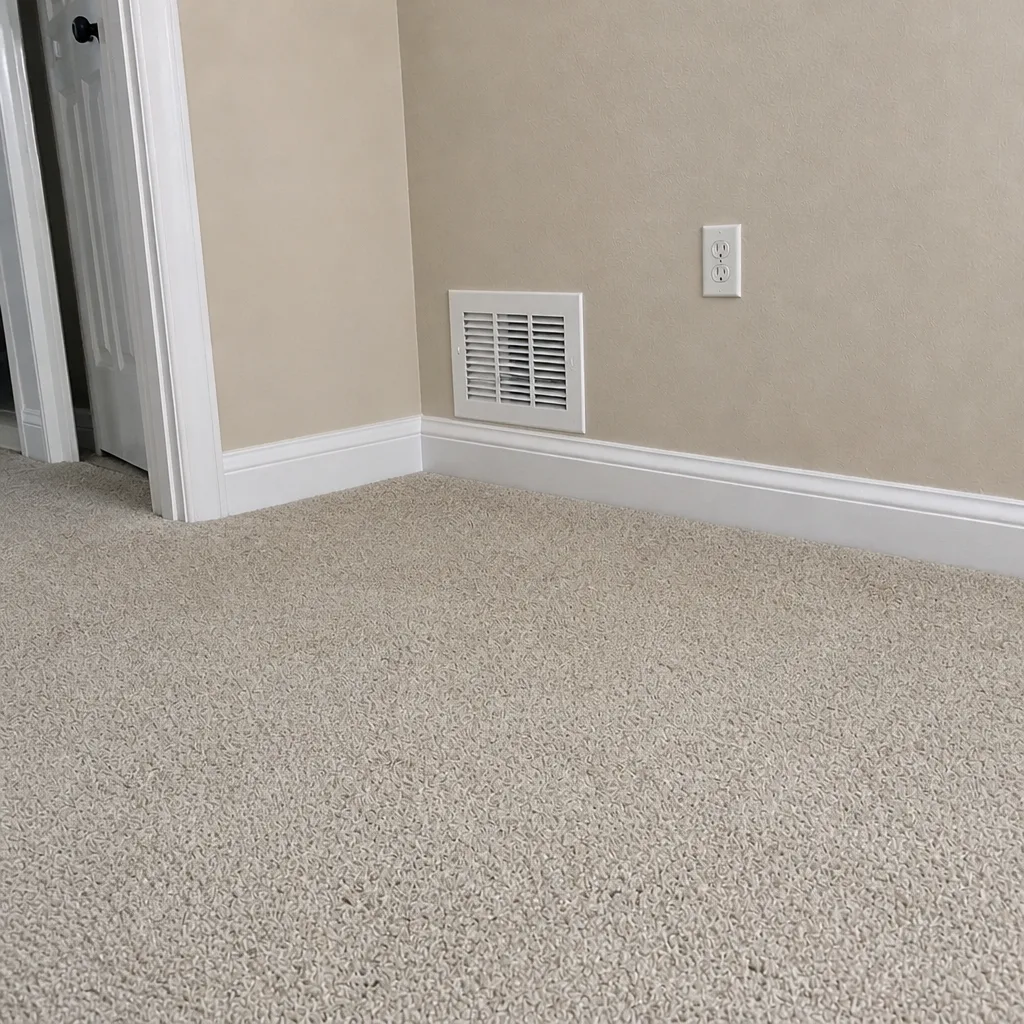
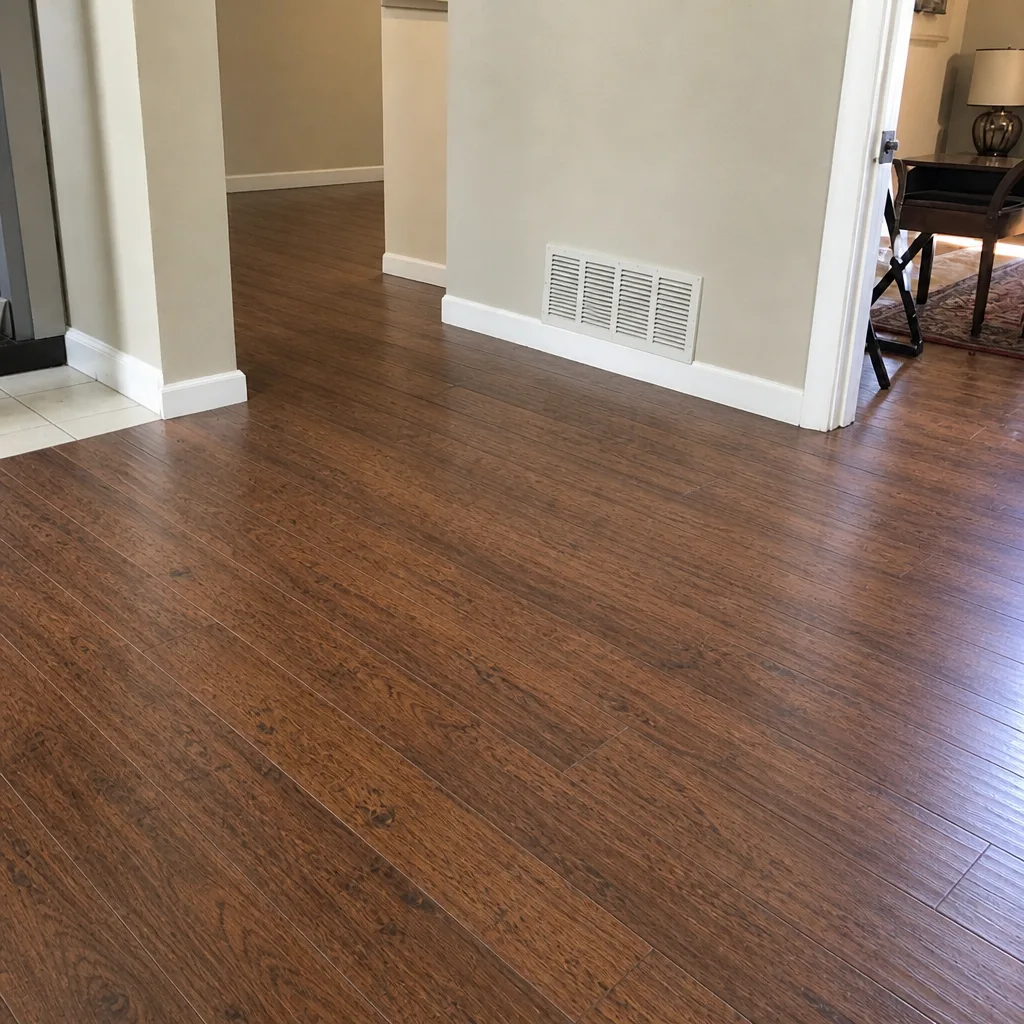
- Verification. Before-and-after photos of the actual ducts are part of the job, so you can see what was cleaned rather than taking a verbal account of it.
That last part matters more than it should have to. The industry has a bait-and-switch reputation, and the honest way to answer it is one flat price per system agreed before the work starts, no per-vent pricing, and photos of your own ducts at the end. If a quote is per-vent, or the final invoice grows on site, the process is the problem, not the price.
Common Mistakes to Avoid
- Waiting for visible dust to build on the register face. By then the trunk line has been collecting particulate for months or years. React to the airflow and smell signs first; visible dust is the last thing to show.
- Treating a transient musty smell as a nuisance. A smell that fades in ten minutes is more diagnostic than one that hangs on, because it points to moisture cycling inside the ductwork. Waiting to see if it returns means the moisture has had another season to work.
- Assuming flaking liner is a dust problem. In a Park Hill home built in the 1960s or 1970s, fibrous material at the register face is a materials problem. Cleaning alone won’t fix it, and running the system pushes fibers into the rooms while you wait.
- Cleaning ducts without sealing leaks. A cleaned but leaky system pulls unconditioned air back in, and the debris returns within a season. If the technician quotes only the clean and stops, ask about the sealing separately.
- Ignoring the dryer vent because the ductwork looked like the bigger problem. The two are separate systems, and a clogged dryer vent doesn’t show up in a duct cleaning. If drying times are up, ask for the vent cleaning in the same visit.
- Accepting a per-vent quote. Per-vent pricing invites a low teaser that grows on site. One flat price per system agreed before work starts is the standard to ask for.
- Comparing quotes on price alone. The equipment difference between a professional Rotobrush or Nikro system with Abatement containment and a shop vacuum with a hose is most of the difference in quote. Ask what the tools are before comparing numbers.
See the difference
 Before
 After
 Before
 After
 Before
 After
When to Call a Professional
Call a specialist if you’re seeing flaking liner, a musty smell that cycles with HVAC runtime, dark or orange debris from the tissue test on multiple registers, or airflow asymmetry that’s drifted over a season. Also call after a renovation or before moving a newborn into a home where the ducts haven’t been inspected. For any of these, Air Duct Cleaning Park Hill offers free estimates in Park Hill. Call (866) 964-3950. We answer 24/7. Fast dispatch from 7am to 7pm, Sunday through Friday. Our technicians have up to 8 years of experience, and the local pro is licensed and insured as their state requires.
Frequently Asked Questions
We provide a written estimate for the whole system rather than a per-vent price, and the estimate is free. The final price depends on the size of the system, the number of runs, and whether adjacent work like sealing or sanitizing is needed. One flat price per system, agreed before work starts, is the honest pricing model, and it’s the one to ask for. Call (866) 964-3950 for an exact quote, and estimates are free.
Usually because the work is a different job than the one you think you’re buying. A shop vacuum and a hose can’t do what a Rotobrush or Nikro system does, and cleaning without negative-air containment redistributes debris rather than removing it. Per-vent teaser pricing is the other common pattern. The comparison to make is what equipment is coming into the house, what’s included, and whether the price is fixed before work starts. Call (866) 964-3950 to talk through the specifics.
Before-and-after photos of your own ducts should be part of the job. That’s the honest way to verify a cleaning, and we make it a standard step rather than an optional one. Look into a few registers yourself with a flashlight after the visit, and check that the tissue test gives you a different result. Call (866) 964-3950 to ask what verification is included in a quote, and estimates are free.
There’s no fixed interval that applies to every home. A house with pets, a recent renovation, a smoker, or anyone with asthma or allergies will need it more often than a home with none of those. A home with consistently clean registers and a good filter may go much longer between cleans. The warning signs in this guide are a better trigger than a calendar. Call (866) 964-3950 if you want an inspection to see where you stand, and estimates are free.
Yes, in a specific way. Homes in Park Hill built in the 1960s and 1970s often have fiberglass-lined interior ducts, and that liner degrades with age. Flaking liner is a repair question, not just a cleaning question, and it needs to be assessed by a specialist who handles both. Homes with unlined metal ducts from the same era need attention for different reasons, usually joint failure and internal corrosion. Call (866) 964-3950 and we can talk through what to look for based on your home’s construction.
If the symptoms track with HVAC runtime rather than season or outdoor pollen, contamination inside the ducts is a plausible contributor, and a professional cleaning is a reasonable step. Cleaning removes the accumulated particulate; a Guardsman sanitizing pass follows up on the microbial side; and filtration upgrades from Honeywell or Aprilaire can help keep it cleaner over time. It’s a fair question whether your symptoms are duct-related, so ask for an inspection first. Call (866) 964-3950 for a free estimate.
The Bottom Line
The warning signs that matter most are quiet: uneven airflow between rooms, a smell that hits for a few minutes and goes, a tissue test that comes up dark, and a flare in symptoms that follows the furnace. Visible dust is the last signal, not the first. In Park Hill’s older homes, add flaking liner to the list of things to check, because that one is a repair question and not just a cleaning. One flat price per system agreed before work starts, before-and-after photos, and a satisfaction guarantee are the standard to hold any quote to.
If you’ve walked through the checklist in this guide and found two or more warning signs, we can take it from there. Call (866) 964-3950. We answer 24/7. Fast dispatch from 7am to 7pm, Sunday through Friday. Estimates are free, and we’ll show you what we find.
Written by the team at Air Duct Cleaning Park Hill.