
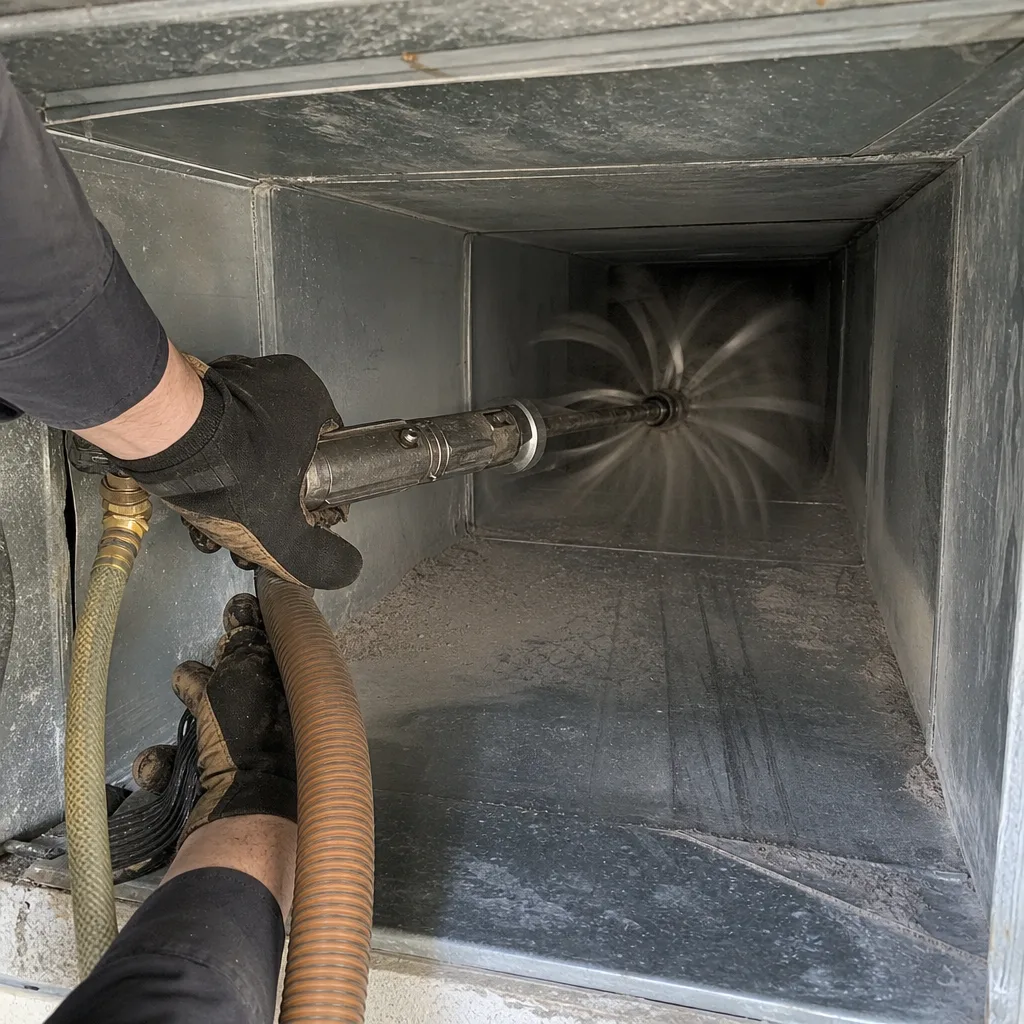
Last updated November 23, 2026
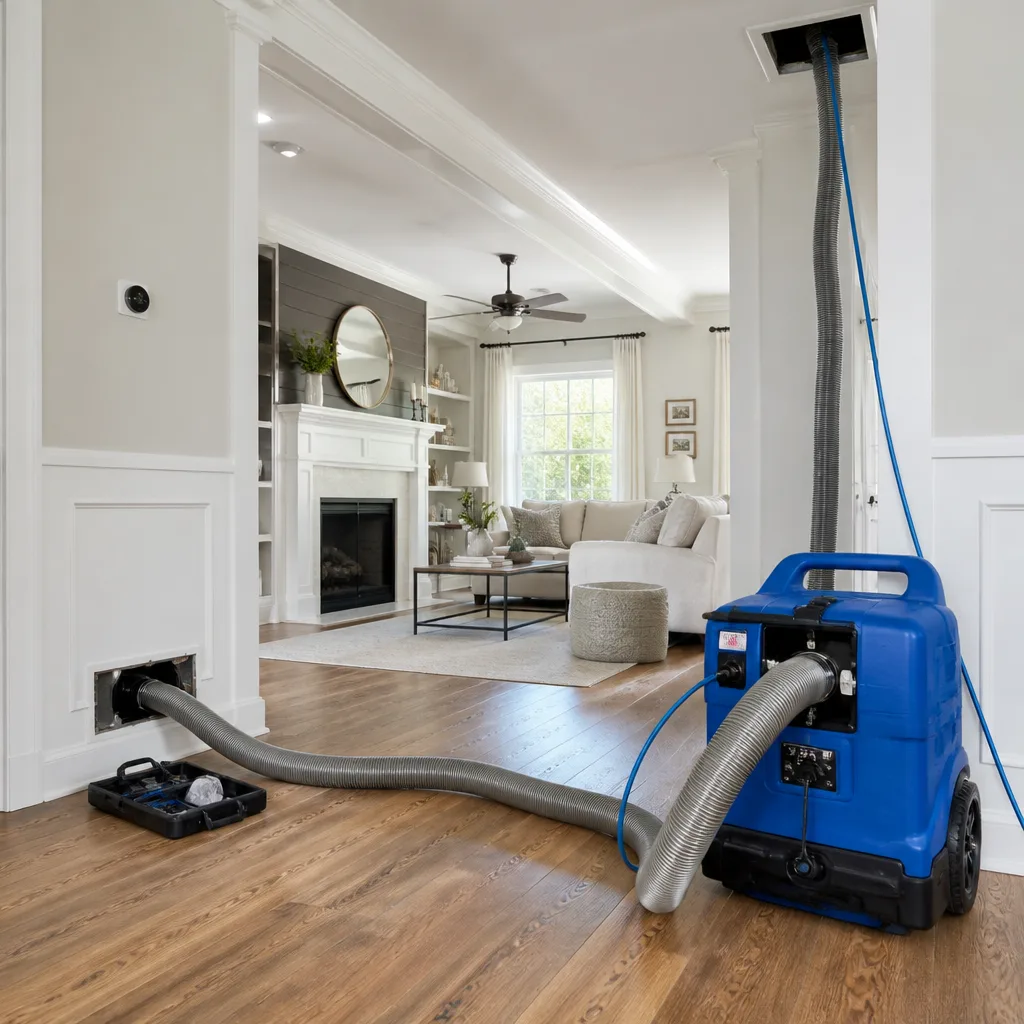 Whole-home duct cleaning
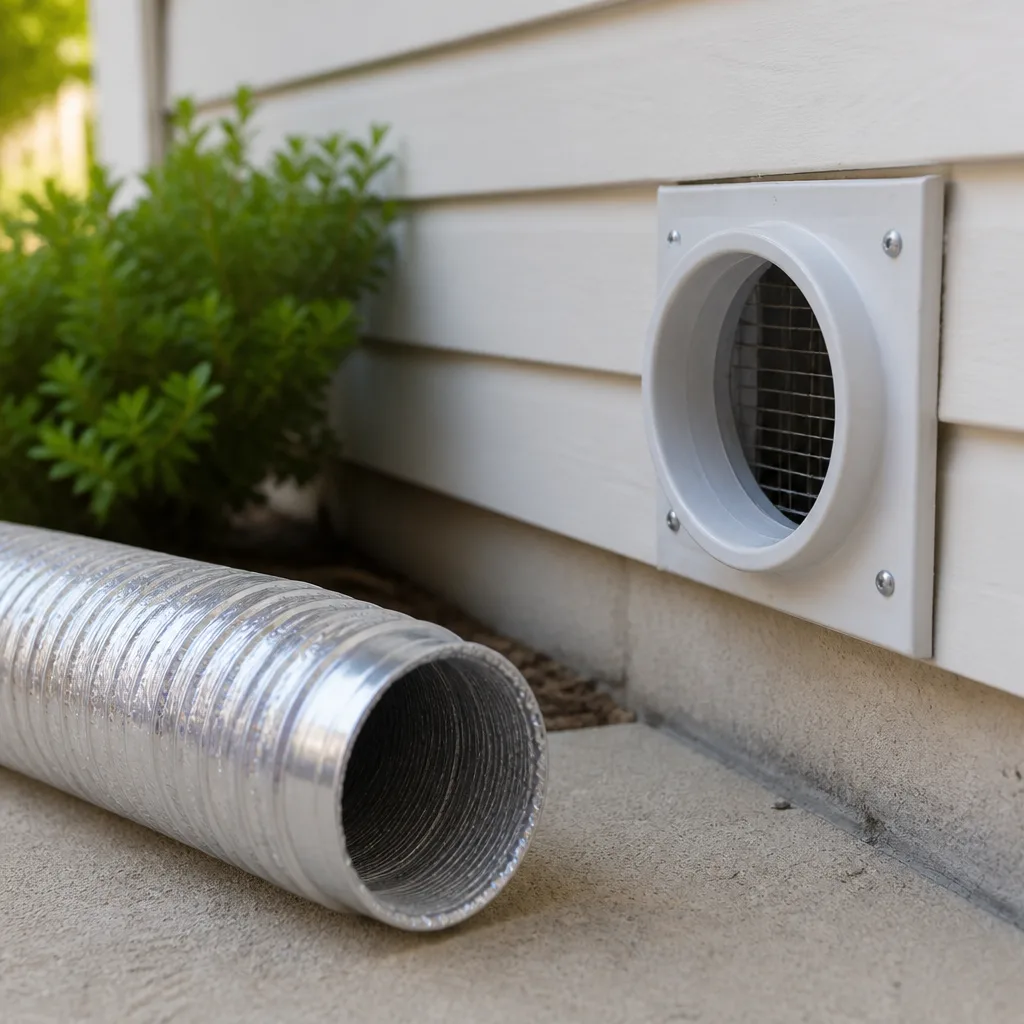 Dryer vent cleaning
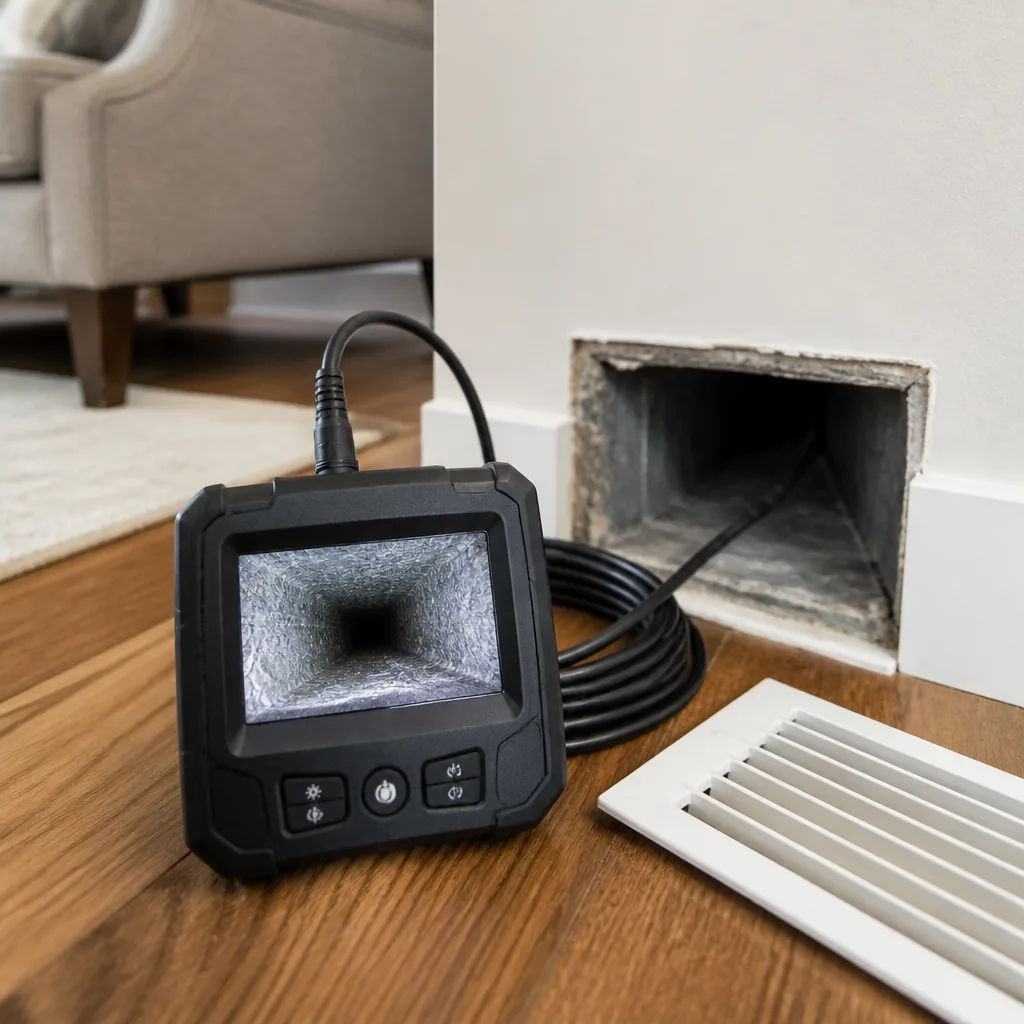 Camera inspection
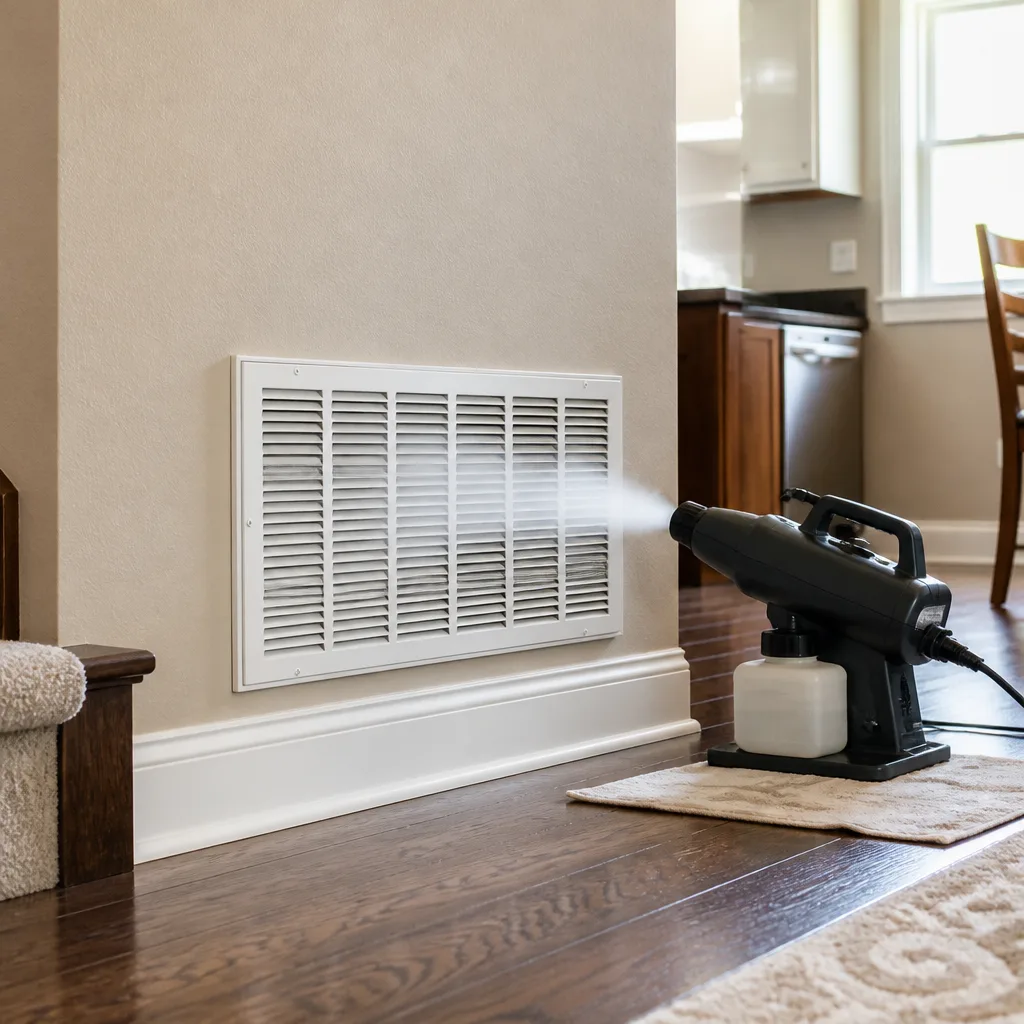 Sanitizing & deodorizing
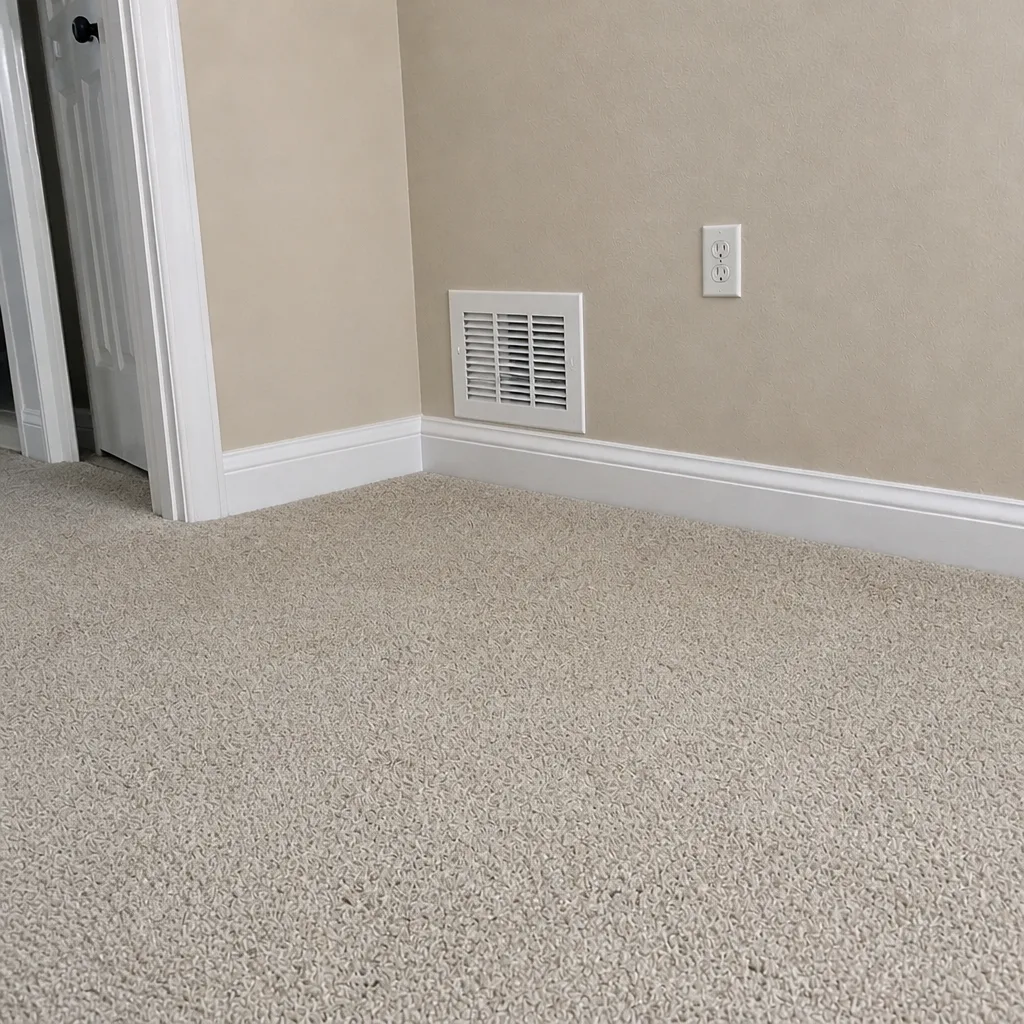
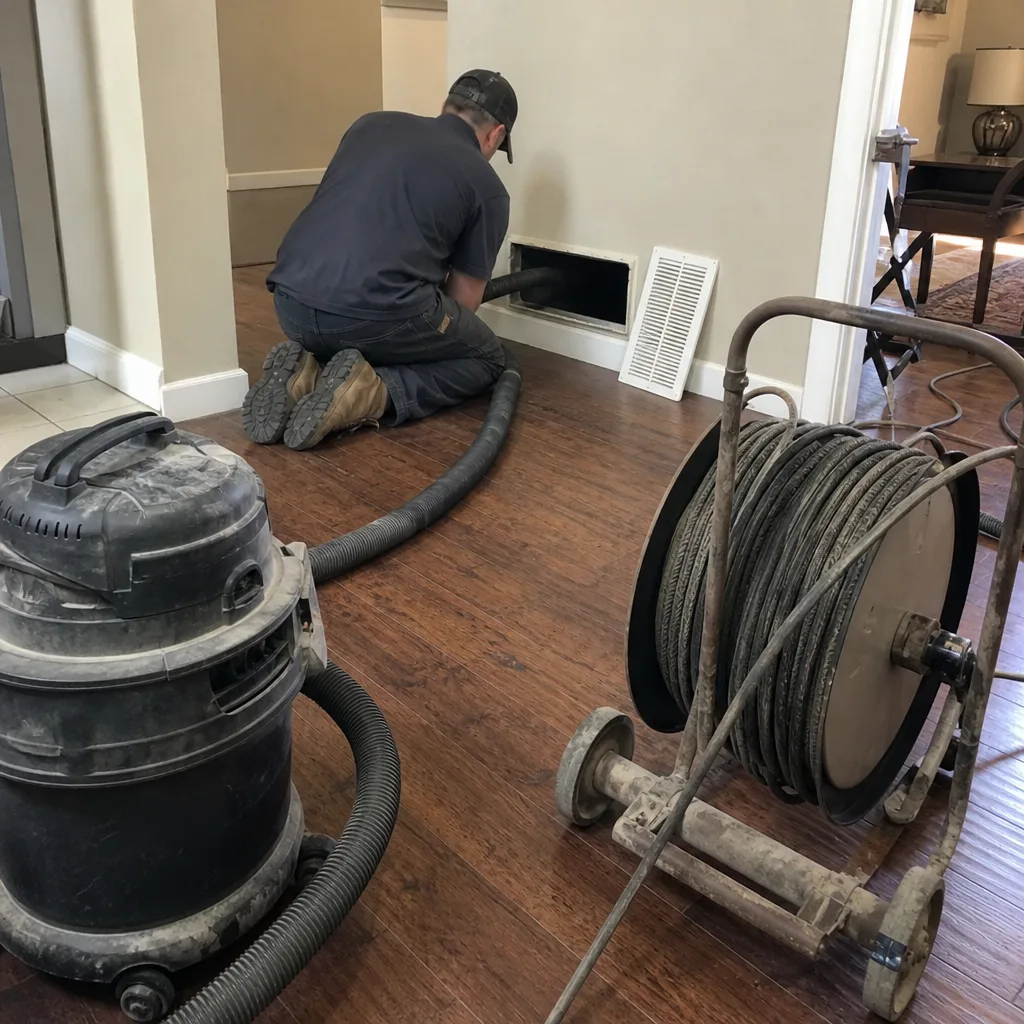
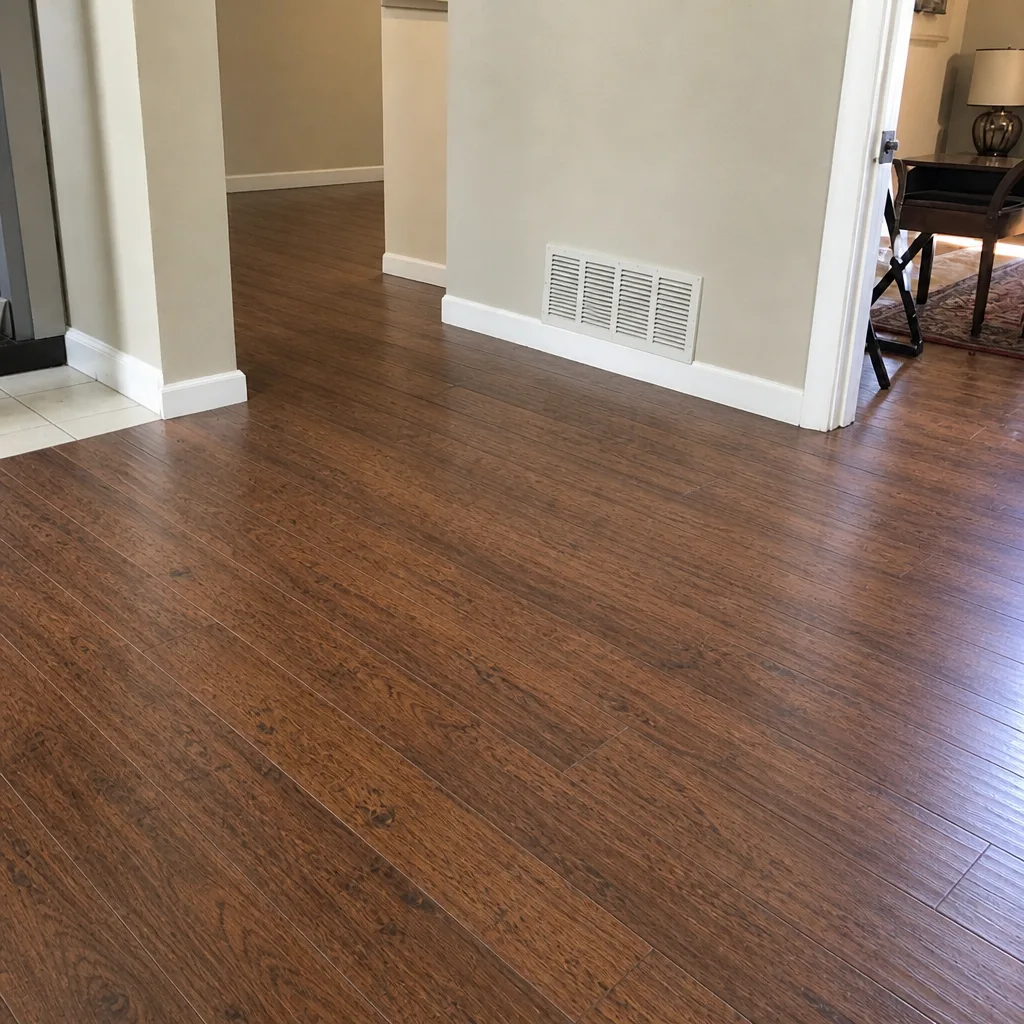
Whole-system duct and dryer vent check with before-and-after photos - you see exactly what came out of your vents
That "$99 whole-house special" is a bait ad - the real number appears once they are in your hallway, or the "clean" is a shop-vac at the register. We photograph the inside of your ducts before and after instead.
Choosing the Right Air Duct Cleaning Brand: A Buyer’s Guide for Park Hill
Air duct cleaning has no Colorado state licensing requirement. That single fact undoes most of what you’d normally rely on when hiring a contractor. There’s no license number to check, no state database to search, no exam that separates a trained technician from someone who bought a vacuum and a magnetic sign. On a website, “professional” is a word anyone can type. So the question isn’t which Park Hill duct cleaning brand has the nicest logo or the most five-star reviews. It’s what shows up at your door, whether the technician follows a recognized standard, and whether the company will let you see before-and-after proof of your own ducts. This guide walks through exactly how to tell the difference.
Quick Answer
The right air duct cleaning brand in Park Hill is the one that arrives with commercial-grade extraction equipment like Rotobrush or Nikro, contains debris at the source using negative-air equipment such as Abatement Technologies, follows the NADCA ACR standard, verifies certification directly, and offers pre- and post-job camera documentation. Brands competing on price alone usually skip one or more of these, and the gap shows up in what gets left behind in your ductwork.
Styles & brands we work with
- Whole-home duct cleaning
- Dryer vent cleaning
- Camera inspection
- Sanitizing & deodorizing
Table of Contents
- Why Equipment Tells You More Than Any Review Score
- Truck-Mounted vs. Portable Units: What the CFM Rating Really Means
- Verifying NADCA Certification: The Only Third-Party Benchmark That Covers Process and Equipment
- Reading a Service Menu as a Quality Signal
- What a Camera Inspection Offer Reveals About Confidence
- Local vs. National Franchise: Who Actually Shows Up?
- What a Proper Cleaning Job Looks Like, Step by Step
- Park Hill Home Context: Older Housing and What It Means for Your Ducts
Why Equipment Tells You More Than Any Review Score
When no license exists to check, the equipment a company brings into your home becomes the most reliable proxy for how they work. Here’s the logic. A purpose-built duct cleaning system costs real money and is only worth owning if you plan to use it on real jobs. A shop vacuum with a hose attachment costs almost nothing and can be bought the same day someone decides to start a duct cleaning “business.” The machine on the truck is a financial commitment, and commitments reveal intent.
Look for named professional platforms. Rotobrush builds rotary brush and vacuum systems specifically for residential and light-commercial ductwork. Nikro builds high-capacity vacuum and agitation equipment used across the cleaning industry. If a company’s website won’t name the equipment it uses, that’s a signal. It usually means the equipment has no brand worth mentioning, or the company would rather not draw attention to it.
Containment equipment matters just as much as extraction. Cleaning ductwork loosens a lot of debris, and that debris has to go somewhere. Negative-air machines from Abatement Technologies pull air (and the particles in it) into a HEPA-filtered unit rather than letting it settle back into the house or blow out through supply registers. In our experience, a company that talks about containment without being asked is a company that has done a lot of jobs and knows what happens to an uncontrolled work area.
Here’s what to ask a Park Hill duct cleaning company about equipment before you book:
- What brand of duct cleaning system do you bring into the home?
- Do you use negative-air containment during the job? What brand?
- Is the vacuum HEPA-filtered?
- What’s the CFM rating of the vacuum you’ll use on my system?
- Can you show me photos of your actual equipment setup?
None of those are hostile questions. A specialist answers them without flinching. A price-leader either changes the subject or gives a vague answer about “industrial equipment.”
Truck-Mounted vs. Portable Units: What the CFM Rating Really Means
CFM stands for cubic feet per minute, and it describes how much air a vacuum can move. This matters because duct cleaning works on two fronts at once: agitation (loosening debris from the duct walls) and extraction (pulling that debris out of the system). You can brush a duct perfectly and still leave half the loosened debris in place if your vacuum can’t keep up. The CFM rating tells you whether the vacuum can actually keep pace with the brush.
Higher CFM is generally better for whole-house work, but you don’t need to memorize numbers to compare companies. What you need to know is which questions to ask and which answers to trust:
- Ask whether the vacuum is truck-mounted or portable. Truck-mounted units typically deliver higher sustained CFM and don’t lose suction as the job goes on. Portable units vary widely in quality; some professional portables are excellent, and some are little more than glorified shop vacuums with a brand sticker.
- Ask for the CFM rating. A specialist will give you a number. If the answer is “it’s very powerful,” that’s not a number.
- Ask about filtration. High CFM without proper filtration just means you’re moving a lot of dirty air faster. HEPA filtration on the exhaust side is what keeps the air in your Park Hill home clean during the job.
- Ask how the vacuum connects to the system. A proper job uses a vacuum connection at one end of the duct run (typically via a large access point) while a technician works the agitation tool from the other end. If the setup doesn’t create a full-system airflow path, the extraction is only partial.
Truck-mounted equipment isn’t automatically better, and portable equipment isn’t automatically worse. A portable Rotobrush or Nikro system with a strong HEPA vacuum, run correctly through a full-system path, cleans ductwork thoroughly. The equipment name and the CFM rating together tell you whether the machine was designed for this work, and the process tells you whether it’s being used correctly. A brand that leads with either one and ignores the other is telling you something.
Verifying NADCA Certification: The Only Third-Party Benchmark That Covers Process and Equipment
NADCA, the National Air Duct Cleaners Association, publishes the ACR standard (Assessment, Cleaning, and Restoration of HVAC Systems). It’s the recognized industry standard for how a duct cleaning job should be scoped, executed and documented. The standard covers both the process (how you clean and how you verify the cleaning) and the equipment requirements (what kind of vacuum and agitation tools are appropriate for what kind of system). That dual coverage is what makes it the only meaningful third-party benchmark in this trade.
The word “certified” gets thrown around in advertising the way “professional” does. The difference is that NADCA certification is verifiable. Here’s how to check:
- Ask for the company’s NADCA membership or certification status in writing, not just verbally over the phone. A real certification has a record behind it.
- Look up the company on NADCA’s public directory if they claim certification. Verify the business name matches.
- Ask which standard the technician will follow on the job. A certified company should be able to name the ACR standard by name and describe what it means for their process.
- Ask whether the technician on your job is NADCA-trained, not just the company owner or sales lead. Certification at the company level doesn’t guarantee training at the technician level.
- Ask for documentation. Under the ACR standard, a cleaning job includes an assessment before and a verification after. Ask what that documentation will look like when the job is done.
The pushback worth watching for is vague. A certified company says “yes, our technicians are NADCA-trained, and we follow the ACR standard on every job.” An uncertified company says “we’ve been doing this a long time” or “we don’t need a certification to know what we’re doing.” Those are different answers to the same question, and only one of them is verifiable.
For Park Hill homeowners working with older housing stock, the NADCA standard matters in one more way: it includes requirements for protecting the HVAC system during cleaning. If your home dates from the mid-century era or earlier, your ductwork may have characteristics (seams, transitions, or materials) that call for extra care. A company that follows a documented standard has a built-in protocol for that. A company that works off instinct doesn’t.
Reading a Service Menu as a Quality Signal
A company that offers only air duct cleaning is a company that stops when the ducts are clean. A company that also handles dryer vents, HVAC cleaning, and sanitizing has the operational depth to spot the problems that come up around ductwork. That’s not just about convenience. It’s about whether the technician walking through your Park Hill home can actually diagnose what they see.
The gaps that show up most often are visible on the job and invisible on the quote. A duct-cleaning-only company cleans the ducts, then tells you they noticed a disconnected run, a leaky joint, or a coil that needs attention, and refers you out. Now you’re coordinating a second trade and a second invoice for work that could have been part of the first visit. A specialist who handles air duct cleaning alongside duct repair and sealing, dryer vent cleaning, HVAC cleaning, and sanitizing can resolve those issues in one job.
Here’s the service menu test, applied to any Park Hill duct cleaning company you’re evaluating:
- Do they clean dryer vents? Dryer vent lint is a leading cause of residential fires, and it’s a duct system that gets neglected because it isn’t part of the HVAC loop. A company that cleans ducts but not dryer vents is covering part of the picture.
- Do they clean HVAC components (coils, blower, drain pan), not just ductwork? Cleaning ducts while leaving a dirty evaporator coil in place doesn’t solve the air-quality problem. It just relocates it.
- Do they do duct repair and sealing themselves? Duct leaks are common in older Park Hill homes and common in any home after a renovation. A company that refers this work out adds a coordination step and an invoice.
- Do they offer sanitizing as a final step? After a proper cleaning, a sanitizing treatment applied to the interior duct surfaces (products like Guardsman are used in this trade) helps inhibit microbial growth in the cleaned system. A company that stops at cleaning leaves the system unprotected.
- Do they carry filtration products? If a homeowner wants to upgrade filtration after cleaning, an authorized supplier of Honeywell or Aprilaire products can install the right filter or humidity solution for the system. A cleaning-only company doesn’t have that option.
The pattern is straightforward: a deeper service menu means a specialist’s understanding of how the parts of an HVAC system interact. A one-service menu means a one-service viewpoint.
What a Camera Inspection Offer Reveals About Confidence
A camera inspection is the closest thing to a guarantee you’ll get in this trade before the work starts. The technician inserts a flexible camera into the ductwork and shows you what’s inside: the dust accumulation, the debris, the condition of the duct walls, the state of the joints. Then, after cleaning, they run the camera again and show you the difference. That’s before-and-after proof of your own system, not a stock photo in a brochure.
Here’s the point about confidence. A company that offers camera inspection is a company that expects the after-shot to look good. A company that avoids it is a company that isn’t sure what the camera would catch. That’s why the camera offer belongs on your shortlist of screening questions, and why the specific wording matters. “We can do that if you want” is weaker than “we include before-and-after photos on every job.”
If a Park Hill duct cleaning company doesn’t offer camera inspection as standard, ask for one directly:
- Request a before-cleaning camera walkthrough at the start of the visit, and ask to see the footage or photos.
- Ask for the after-cleaning camera run at the end, and watch it if you can be present.
- Ask for the media to be sent to you (email, text, or a shared folder) rather than just shown once on a phone in your hallway.
- Ask if the company keeps the media on file in case you ever need it for a warranty, insurance, or resale conversation.
A specialist says yes to all four. A company that wants to be paid quickly and get back on the road says no to at least two. That distinction is worth more than any review score.
Local vs. National Franchise: Who Actually Shows Up?
Both local companies and national franchises operate in Park Hill, and the trade-offs are real. Neither is automatically better. What matters is understanding where the accountability sits and who is actually in your house.
National franchises bring brand consistency, a corporate phone system, and a standardized service script. They also sometimes operate with a mix of company-owned trucks and independently owned franchise locations, which means the quality of the work depends on the individual franchise owner, not on the brand. When you call the national number, the question is who gets dispatched. If the answer isn’t clear, the brand isn’t providing the value you’re paying for.
Local companies bring different trade-offs. The person quoting the job is usually closer to the person doing the job. Equipment decisions reflect what the company actually owns, not what the franchise agreement specifies. And the accountability is direct: if the work is wrong, there’s no corporate escalation ladder to climb. The flip side is that “local” doesn’t guarantee anything about the equipment or process, which is why the equipment and certification checks above matter more than the geography label.
A practical checklist for the local-vs-national decision:
- Who owns the equipment? Ask whether the equipment is owned or rented. Owned equipment is a stronger signal of long-term commitment to the trade.
- Who performs the work? Ask whether the technician is a company employee, a subcontractor, or a franchise operator. The answer shapes who to call if something goes wrong.
- Who is on the other end of the phone when you call? A company that answers its own line is a company that can route a question directly. A company that routes you through a national call center is several steps removed.
- Where does the review accountability sit? Franchise reviews sometimes go to the corporate page and sometimes to the local page. Make sure the reviews you’re reading are for the specific operator who will show up.
- What’s the local reputation? Word of mouth in Park Hill counts for more than a national ad campaign, because the neighbor recommending a company usually knows who actually showed up at their house.
The trade-off isn’t local-good, national-bad. It’s about whether the brand’s marketing claims connect to a specific person, a specific set of owned equipment, and a specific process. A national franchise that owns its equipment and follows a documented standard can be excellent. A local company that rents its vacuum and skips the containment step is still a risk.
What a Proper Cleaning Job Looks Like, Step by Step
Knowing the sequence of a professional job is the easiest way to evaluate any Park Hill duct cleaning company once they’re on site. Here’s how a proper job runs:
- Assessment. The technician inspects the system before any tool touches a duct: supply and return layout, unit access points, visible condition, and whether the system has any pre-existing issues (disconnected runs, damaged materials, moisture problems) that would change the plan.
- Containment setup. Negative-air equipment (Abatement Technologies is common in this trade) is positioned to pull airborne debris into a filtered unit rather than letting it move through the home. This step protects the homeowner’s living space during the job.
- Vacuum connection. The main vacuum is connected to the duct system through a proper access point, creating a full-system airflow path.
- Agitation. The technician works through the system with a rotary brush or air-driven agitation tool, loosening debris from duct walls, transitions, and fitting seams. This is the part of the job most companies do quickly. A proper job takes the time the duct run requires.
- HVAC component cleaning. The evaporator coil, blower, and drain pan get cleaned as part of the job. If a company cleans ducts but skips these, the air handler is still circulating the same contaminants.
- Sanitizing. After cleaning, a sanitizing treatment (products like Guardsman are used for this in the trade) is applied to the interior duct surfaces to inhibit microbial regrowth in the cleaned system.
- Verification and documentation. The technician runs the camera back through the system, captures before-and-after media, and documents the result. Under the NADCA ACR standard, verification is part of the job, not an optional add-on.
- Duct repair and sealing, if needed. If the assessment or the camera walkthrough surfaces leaks or disconnected joints, that work is scoped in the written estimate before anything is done, not added after the fact.
Ask any Park Hill duct cleaning company to walk you through their process in this order. If they skip steps or can’t name them, the job on the day will probably look similar: fast, surface-level, and hard to verify afterward.
See how our HVAC cleaning complements the duct work.
Park Hill Home Context: Older Housing and What It Means for Your Ducts
Park Hill is one of Denver’s historic neighborhoods, and its housing stock reflects that. Homes here span a wide range of construction eras, and that range means duct cleaning jobs vary considerably from house to house. What’s standard for a home built in the mid-century isn’t necessarily what works for older properties or for homes that have been through major renovation.
A few context points specific to Park Hill that affect the cleaning decision:
- Duct systems in older Park Hill homes vary widely. Some systems are original rigid metal; some have been extended, rerouted, or partially replaced in a previous renovation. A cleaning plan has to account for the actual system, not a standard template.
- Renovation dust settles deep. If a Park Hill home has been through a remodel, construction dust (drywall dust, sawdust, insulation fibers) can travel through the return side of the system and settle throughout the ductwork. Cleaning after a renovation is a different job than a routine cleaning, and a company that handles it well is a company that treats renovation debris as a specific case.
- New purchases and new babies are common cleaning triggers. Moving into a home with an unknown duct history is a legitimate reason to clean. So is welcoming a newborn. Both call for the full process (assessment, containment, cleaning, sanitizing, verification), not a quick sweep.
- Allergy season and indoor air quality. If someone in the household has allergies or asthma, the questions shift from “is the duct clean” to “what’s circulating through the house.” That’s why sanitizing and filtration upgrades belong in the conversation, not just extraction.
- Dryer vent lint is a separate but connected concern. Older Park Hill homes often have dryer vent runs that are longer or more convoluted than modern code would specify, and lint accumulates in ways that aren’t visible from the outside. Include dryer vent cleaning in the conversation even when duct cleaning is the primary job.
None of those points make Park Hill a special case in a dramatic sense. They just mean the “good enough” cleaning that works on a newer home’s simple duct run may not cover what an older Park Hill home needs. Ask about your home’s era and system layout when you call. A specialist will adjust the plan accordingly.
Common Mistakes to Avoid
- Choosing a company by review score alone. Reviews are easy to accumulate and easy to game. A company with a few hundred five-star reviews and no named equipment in its advertising is a company you can’t actually evaluate. Spend your screening time on equipment and process instead.
- Accepting a quote that doesn’t specify the process. “Whole-house duct cleaning – $X” doesn’t tell you whether the quote includes containment, HVAC component cleaning, sanitizing, or camera verification. Ask what’s included line by line, and get it in writing. The written estimate sets the final price.
- Skipping the certification check. “We’re certified” without a verifiable NADCA status is a marketing claim, not a credential. If a company won’t name its certifying body and let you look it up, the claim doesn’t mean much.
- Letting a technician add on services after the job starts. The written estimate and scope should be agreed before work begins. If the technician finds something during the job (a disconnected run, a leaky joint), it should come to you as a new written scope, not a verbal upsell in your hallway.
- Assuming duct cleaning includes dryer vent cleaning. These are separate systems. A company that markets duct cleaning but treats dryer vent cleaning as an afterthought is leaving one of the most fire-relevant parts of the home untouched.
- Booking a cleaning-only company for a repair problem. If your Park Hill home has duct leaks, disconnected runs, or a sealing issue, a company that stops at cleaning will refer you out. Find a company that handles duct repair and sealing directly, so the coordination and the invoice stay with one specialist.
- Not asking for the camera documentation. Before-and-after photos of your own ducts are the only proof you’ll have that the work was done. Ask for them in writing before the job, and ask for the media afterward.
See the difference
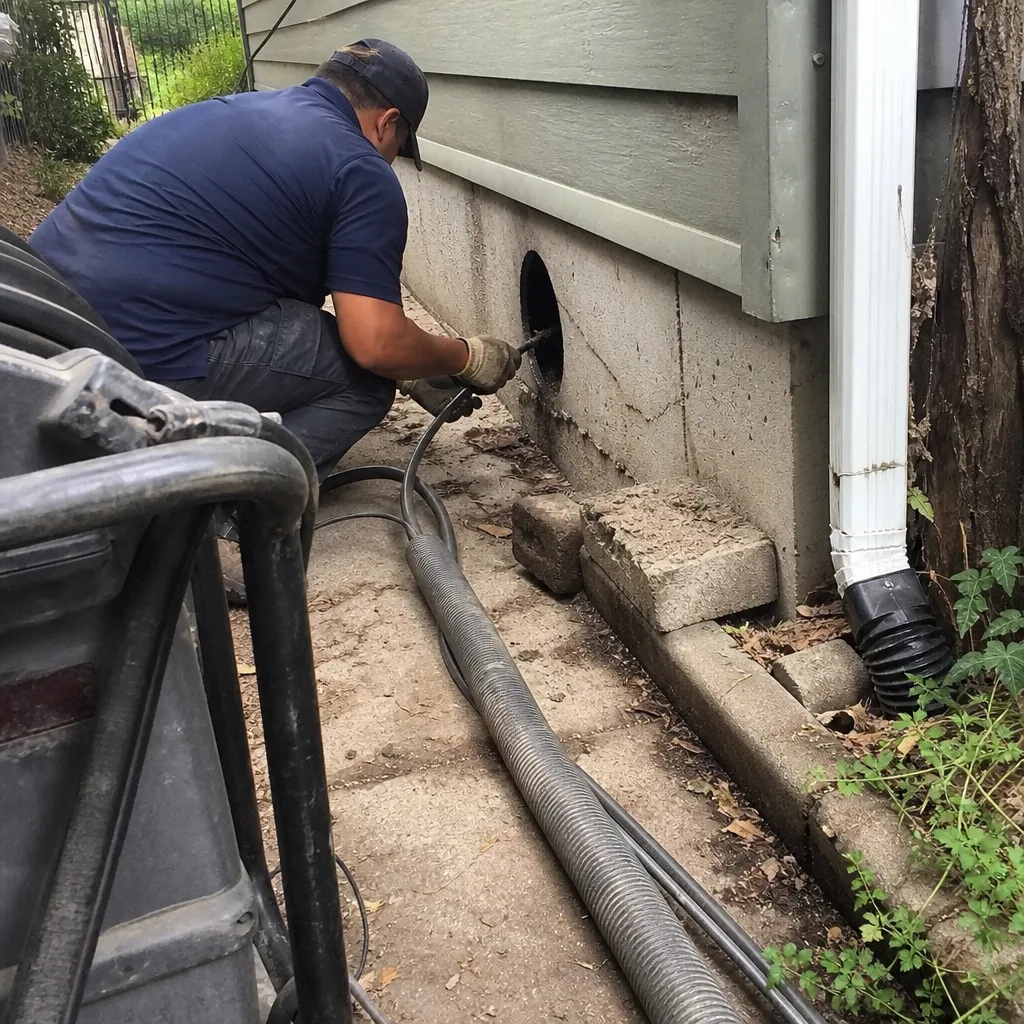 Before
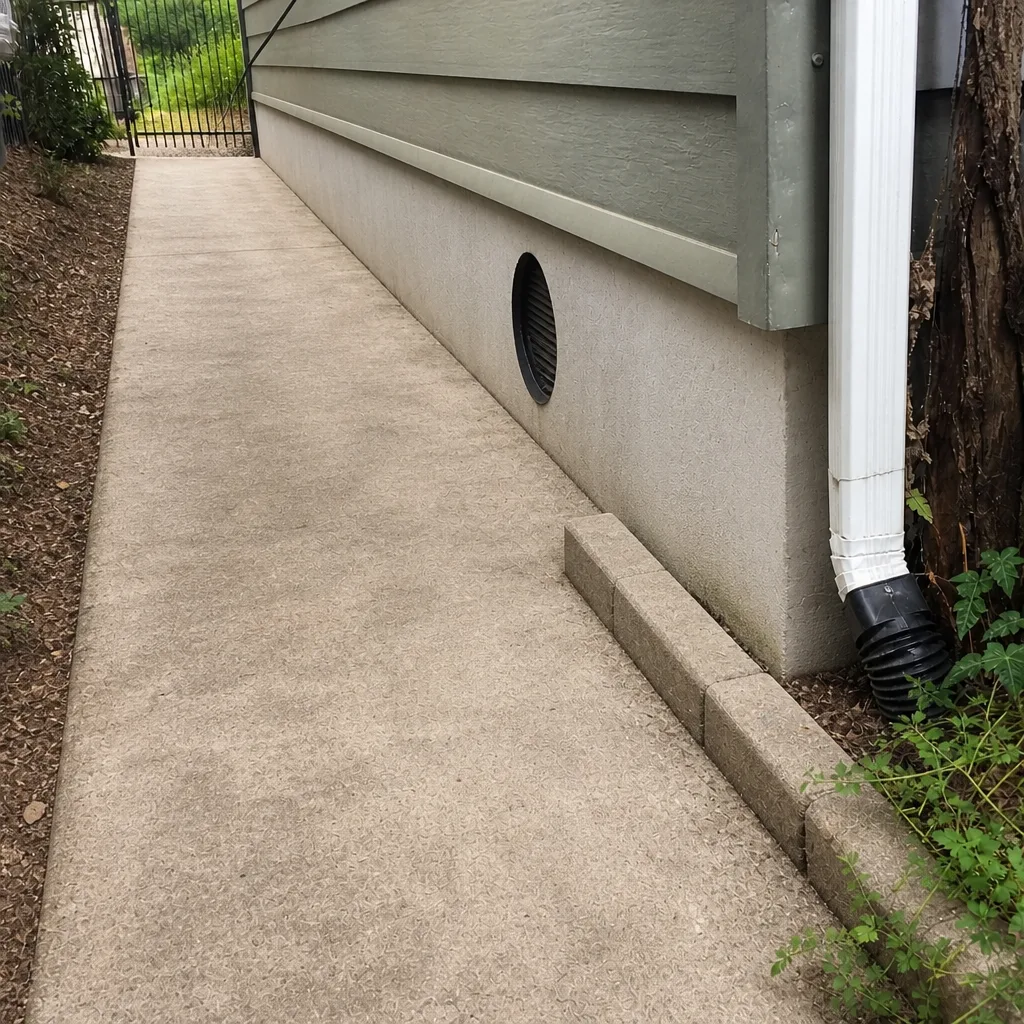 After
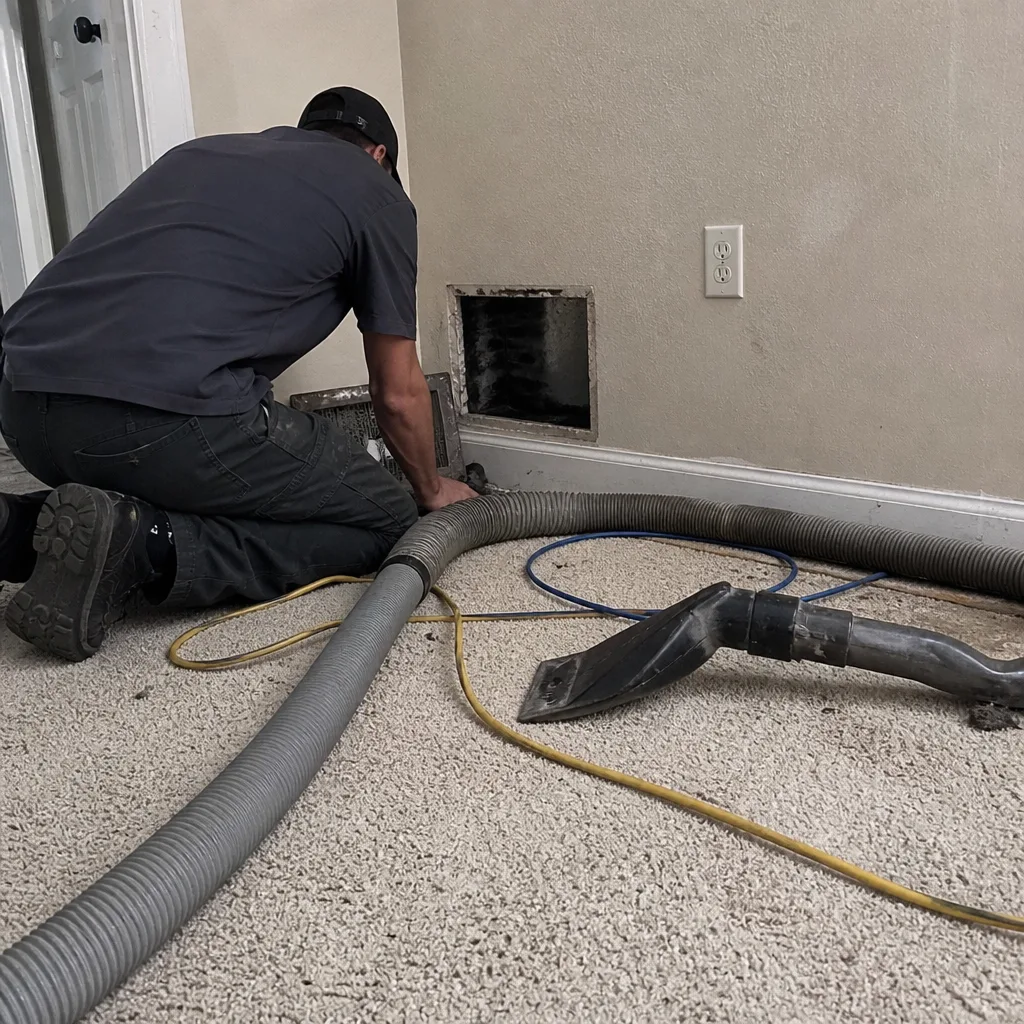 Before
 After
 Before
 After
When to Call a Professional
Some signs point clearly to a professional call. You’ve just moved into a Park Hill home with no duct history and want a clean baseline. You’ve finished a renovation and want construction dust cleared from the system. Someone in the household has allergies or asthma that seem worse indoors. You’ve noticed visible debris blowing from supply registers, or you’ve spotted mold or moisture in the ductwork. You have a dryer that’s taking longer to dry clothes or a lint concern you can’t resolve. Or you’re planning a filtration upgrade and want the system cleaned before the new filter or humidity solution goes in.
What you don’t want to do is handle duct cleaning as a DIY project. The ducts are a confined system, and a shop vacuum pushed into a return doesn’t contain the debris it loosens. Professional equipment and containment steps exist for a reason. Air Duct Cleaning Park Hill offers free estimates in Park Hill. Call (866) 964-3950. We answer 24/7. Fast dispatch from 7am to 7pm, Sunday through Friday.
Frequently Asked Questions
Air duct cleaning in Park Hill is priced per whole system, not per vent, and the exact figure depends on the size of the home, the number of systems, and whether repair, sealing, or sanitizing is part of the job. Call (866) 964-3950 for a free estimate, and the written estimate will set the final price before any work begins.
Cheaper quotes usually reflect a different job: less containment, less agitation time, no HVAC component cleaning, no sanitizing, and no camera verification. The equipment is also different; a quote that doesn’t name professional-grade machinery is often built on lower-grade vacuum capability. Ask any company quoting a low number to walk through the process step by step, and the gap becomes clear. Call (866) 964-3950 for a quote that itemizes what’s included.
Before-and-after camera documentation of your own ducts is the only answer. A company that runs the camera through the system before cleaning and again afterward can show you the difference directly. Ask for the media in writing before the job and for the files afterward. Call (866) 964-3950 to schedule a job with camera verification included.
Most homes don’t need a fixed schedule. The honest answer is that cleaning is driven by events and conditions: a recent renovation, a move into a home with unknown duct history, a new baby, allergy concerns, visible debris, or moisture problems. A routine interval makes sense for some households, but it should come from the condition of the system, not from a calendar. Call (866) 964-3950 and we’ll help you figure out whether cleaning is warranted now.
No. Air duct cleaning has no Colorado state licensing requirement, which is why the equipment, certification, and camera documentation checks in this guide matter so much. Those are the verifiable signals in a trade that has no state oversight. Call (866) 964-3950 to ask about our equipment and process directly.
Cleaning removes accumulated dust, debris, and, in some cases, microbial buildup from the duct system, and that can reduce what’s circulating through the air you breathe indoors. For households with allergy or asthma concerns, the combination of proper cleaning, sanitizing, and a filtration upgrade (products like Honeywell and Aprilaire are used for this in the trade) tends to be the more complete answer. Call (866) 964-3950 to talk through what fits your situation.
The Bottom Line
In a trade with no state licensing, the brand that earns your trust is the one that can be verified: commercial-grade extraction equipment (Rotobrush, Nikro), negative-air containment (Abatement Technologies), NADCA ACR process compliance, camera documentation of your own ducts, and a service menu deep enough to resolve the issues that come up. Local vs. national is a secondary question; ownership of equipment, who shows up, and whether the work can be documented matter more. Read the Air Duct Cleaning Park Hill guide for how to apply these checks in your neighborhood.
If you’d rather start with a conversation than a checklist, Air Duct Cleaning Park Hill offers free estimates in Park Hill. Call (866) 964-3950. We answer 24/7. Fast dispatch from 7am to 7pm, Sunday through Friday. The written estimate sets the final price, the work is scoped before it starts, and the camera documentation of your own ducts is yours to keep.
Written by the team at Air Duct Cleaning Park Hill.