
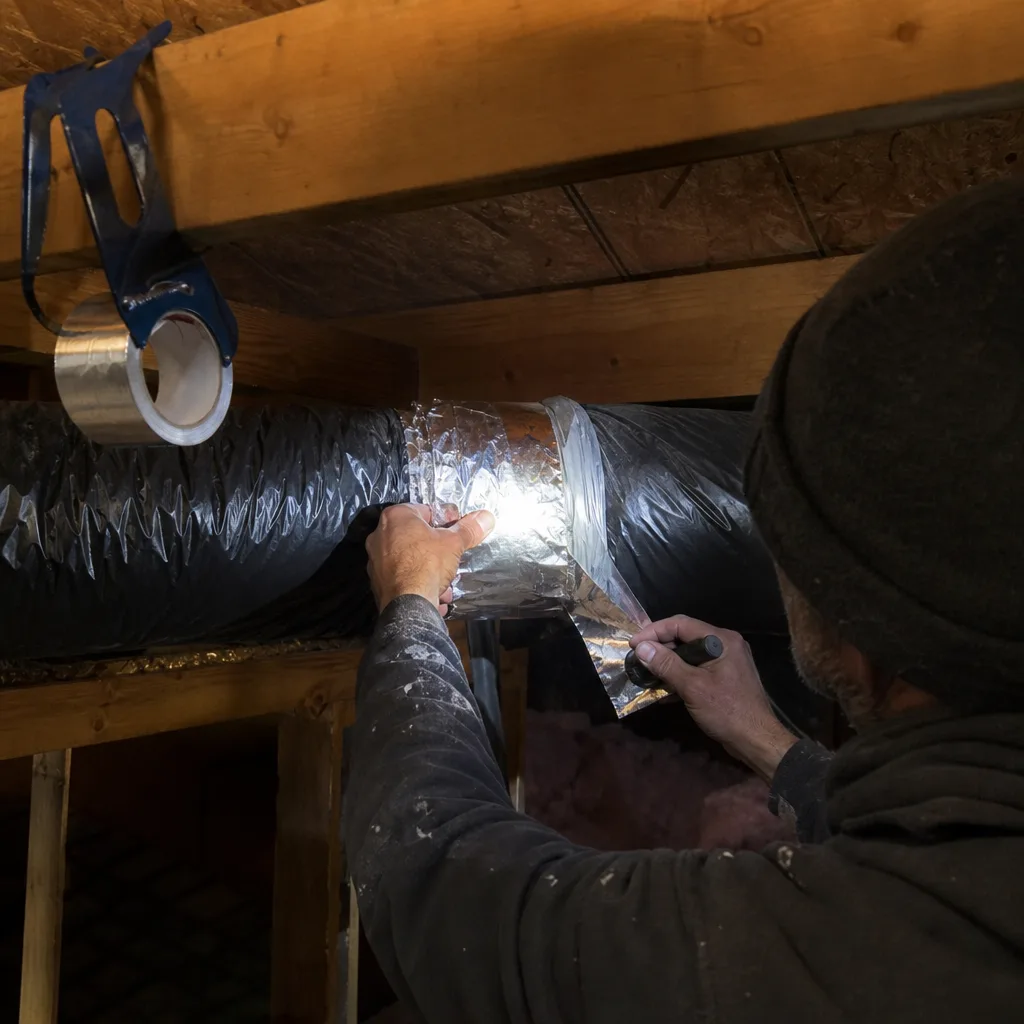
Last updated November 23, 2026
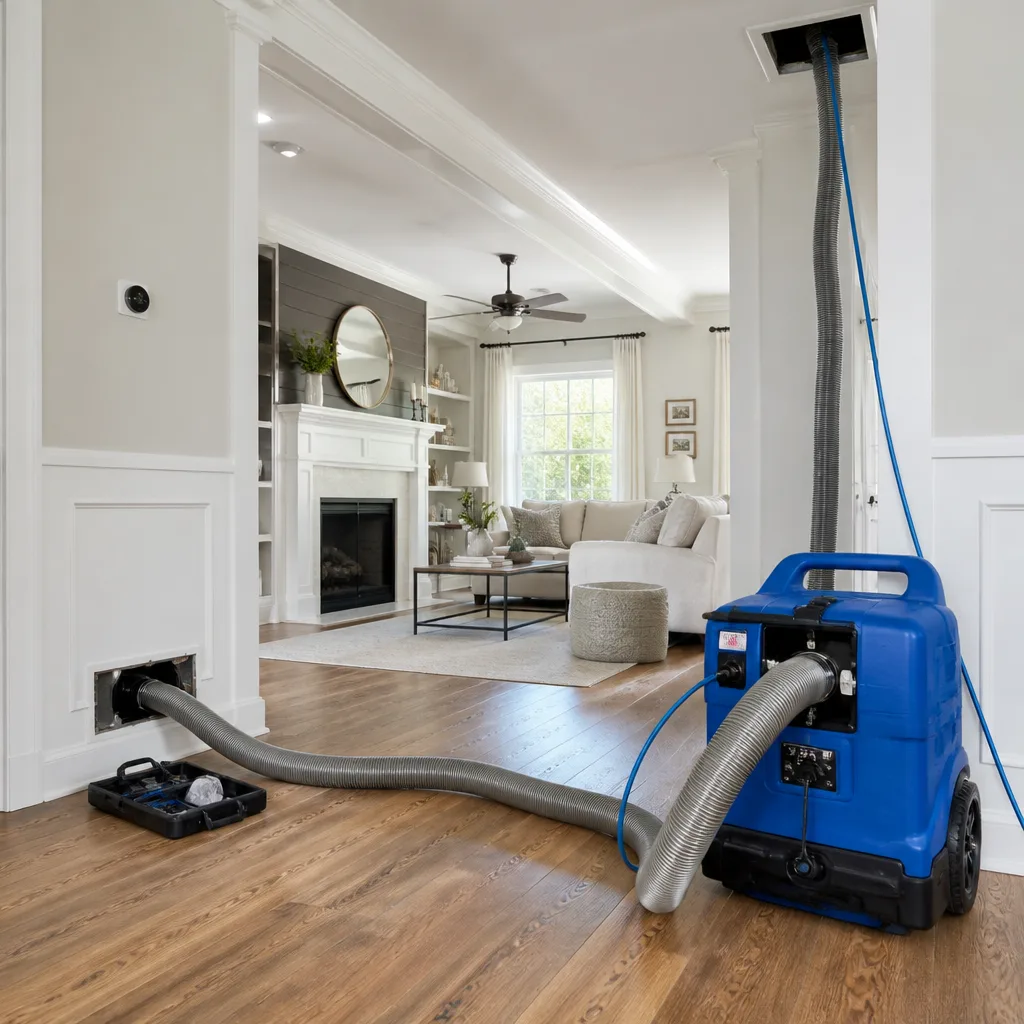 Whole-home duct cleaning
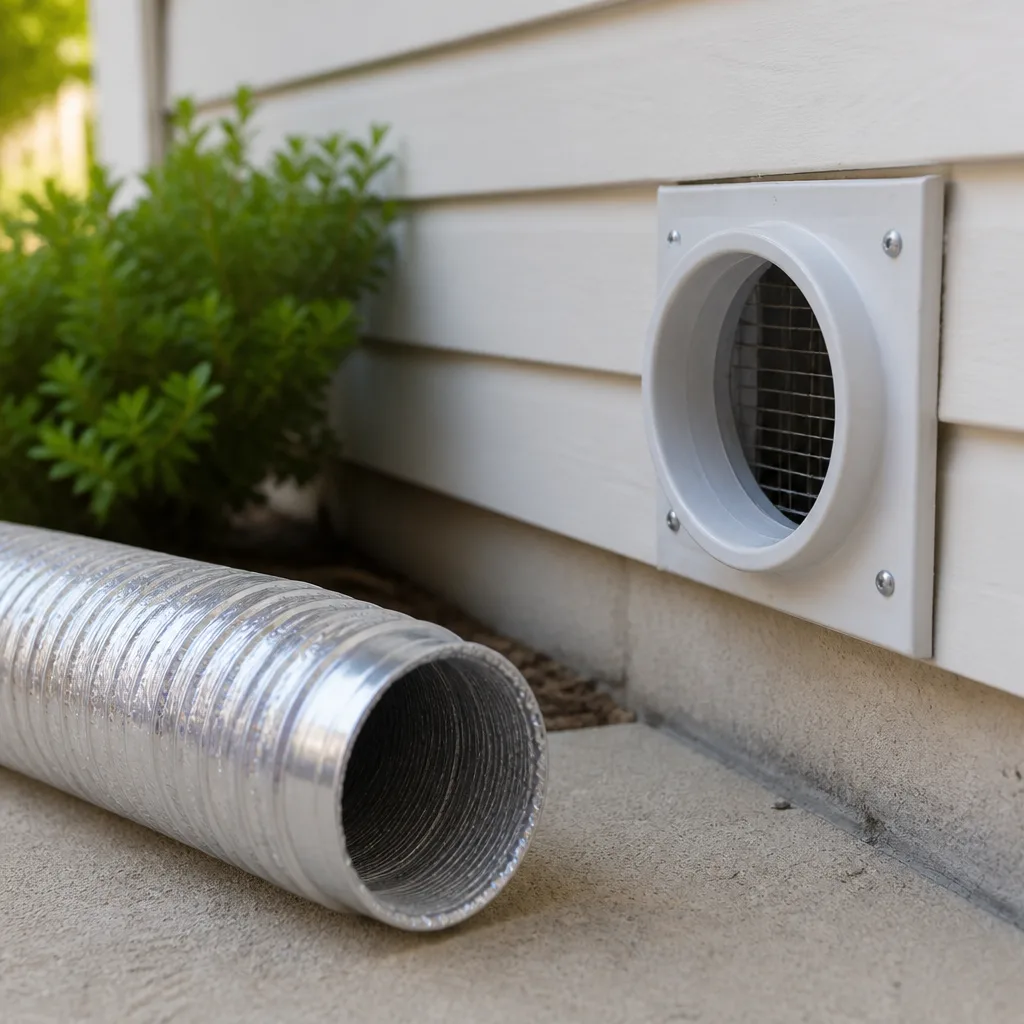 Dryer vent cleaning
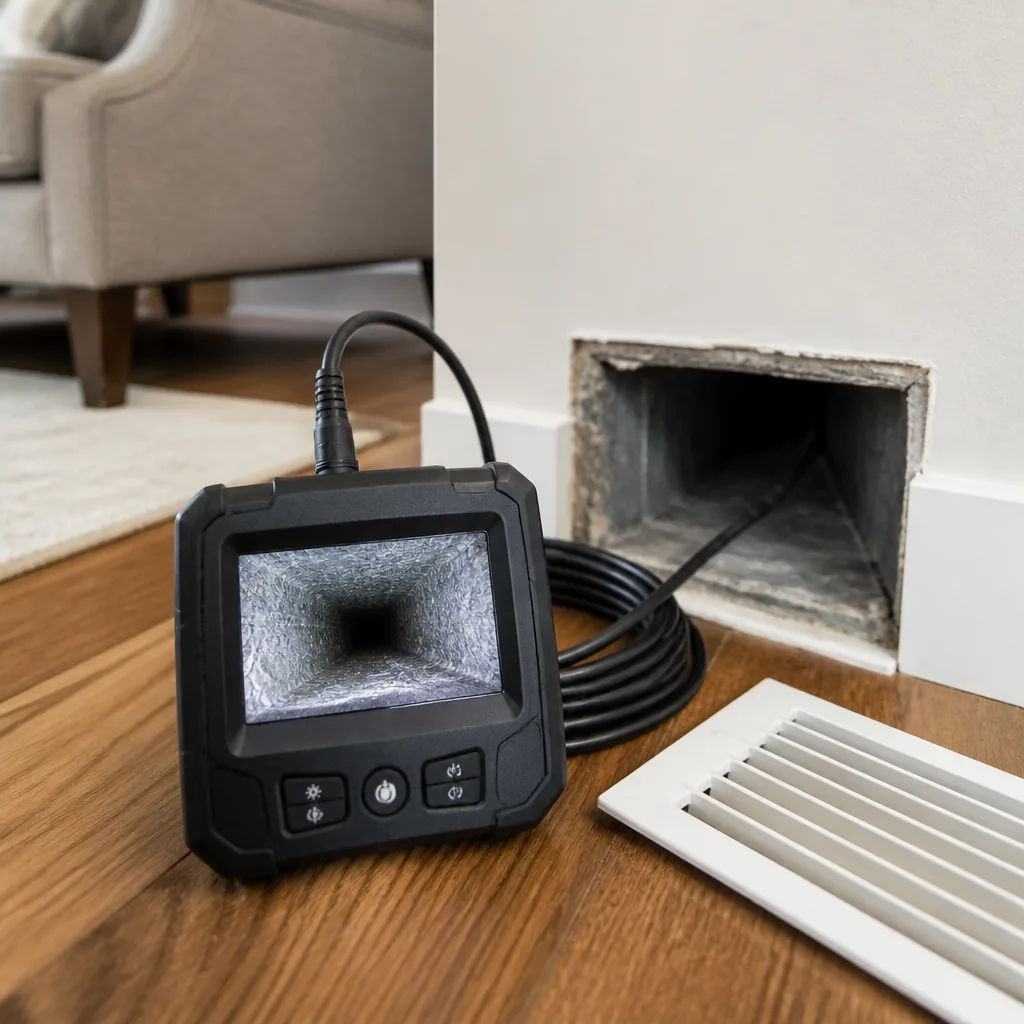 Camera inspection
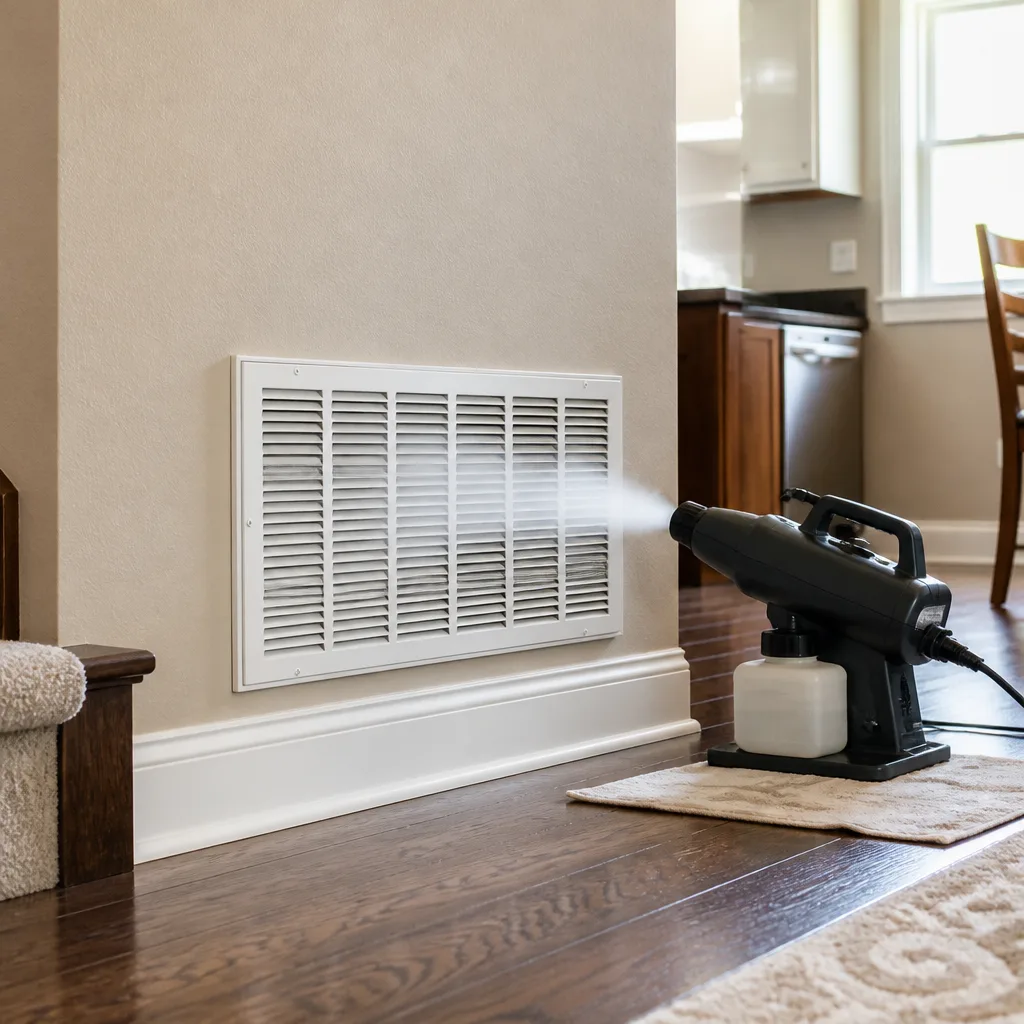 Sanitizing & deodorizing
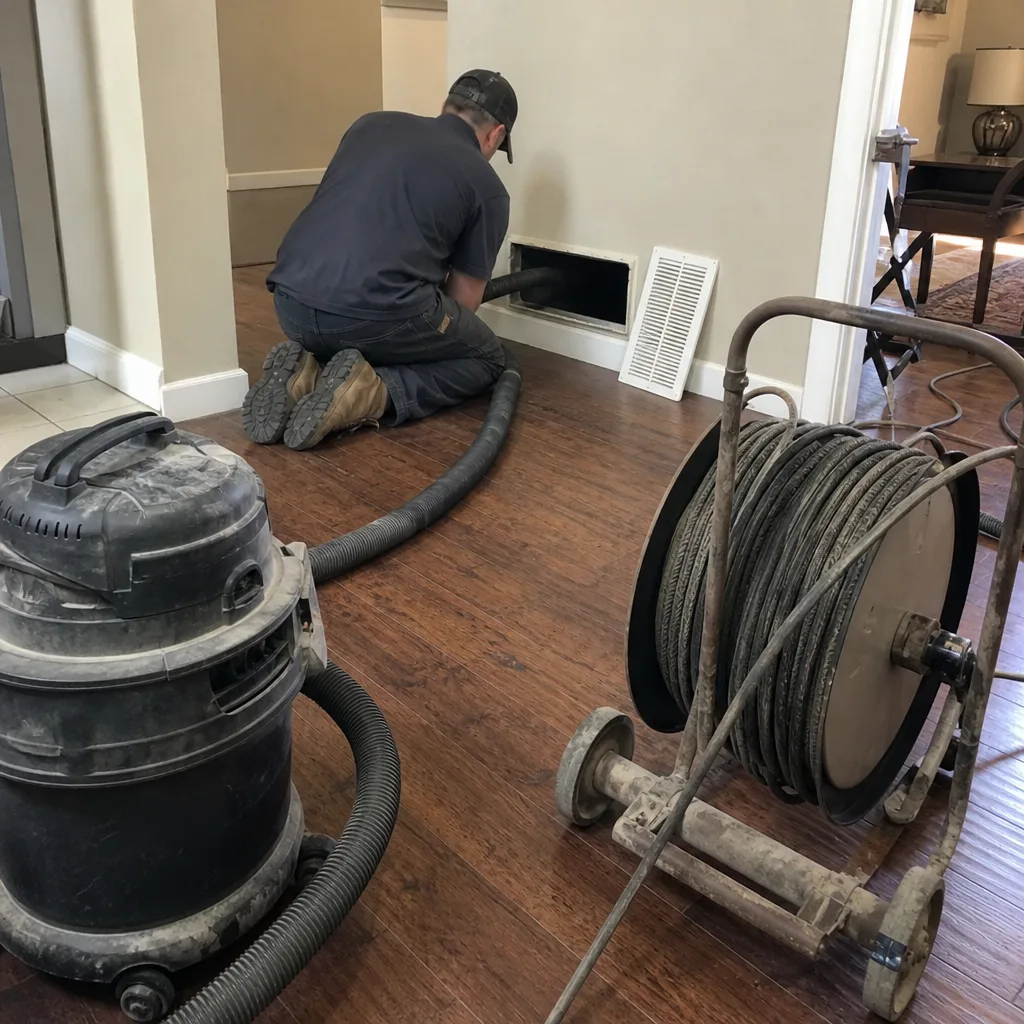
Whole-system duct and dryer vent check with before-and-after photos - you see exactly what came out of your vents
That "$99 whole-house special" is a bait ad - the real number appears once they are in your hallway, or the "clean" is a shop-vac at the register. We photograph the inside of your ducts before and after instead.
The Complete Guide to Air Duct Cleaning in Park Hill
Most air duct guides describe a hypothetical house: modern sheet metal, tight construction, a forced-air system installed in the last fifteen years. Park Hill isn’t that neighborhood. The median home here is over sixty years old, and the ductwork running through most of these brick ranches and bungalows was hung before modern HVAC standards existed. That changes what’s sitting inside the trunk lines, how it behaves, and what a proper cleaning actually requires. This guide maps the full process to real Park Hill conditions: original galvanized steel, flex-duct additions, semi-arid dust, and the two-phase negative-pressure method that separates a professional job from a shop-vac pass. You’ll learn what to inspect, what to ask, and what to expect.
Styles & brands we work with
- Whole-home duct cleaning
- Dryer vent cleaning
- Camera inspection
- Sanitizing & deodorizing
Quick Answer
Air duct cleaning in Park Hill means removing settled debris from an older duct system using professional-grade agitation and negative-air containment, not a single vacuum pass. Because most homes here were built between the 1940s and 1960s, the work usually involves inspecting original galvanized steel for rust and failing seams before cleaning begins. A proper job ends with verified airflow and fresh filtration, and in Park Hill that often means addressing both the legacy trunk lines and any flex duct added during later renovations.
Table of Contents
- Why Park Hill’s Housing Stock Changes the Job
- Original Galvanized Steel: How It Ages Differently
- The Two-Phase Negative-Pressure Process
- What a Technician Should Inspect First
- Denver’s Semi-Arid Climate and the Dust It Leaves
- Post-Cleaning Verification Steps
- Beyond Cleaning: Sealing, Sanitizing, and Filtration
- Common Mistakes to Avoid
- When to Call a Professional
- Frequently Asked Questions
Why Park Hill’s Housing Stock Changes the Job
Walk any residential block in Park Hill and you’ll see the same pattern repeat: post-war brick ranches, bungalows with low-pitch roofs, and the occasional mid-century split-level. What they share is a forced-air system added or retrofitted during an era when duct design was an afterthought. Supply trunks were often squeezed into crawlspaces or furred-out walls, and return paths were sometimes nothing more than a panned floor joist.
That matters because duct cleaning is only as good as the container it’s cleaning. In a newer home, the trunk lines are sealed, insulated, and sized to a known standard. In a Park Hill bungalow, you may find:
- Original bare galvanized steel with visible seam gaps that leak conditioned air into the crawlspace
- Branches that were field-fabricated rather than factory-made, with inconsistent interior surfaces
- Panned joist returns that hold debris in ways a round duct never would
- Later flex-duct additions spliced into the original trunk when a room was added or a system upgraded
- Insulation wrap that has sagged, torn, or come loose over decades of seasonal cycling
Each of those conditions creates a different contamination profile. A bare steel trunk accumulates dry dust that compacts against the walls. A panned return traps lint and heavier particulate in corners a brush can’t easily reach. A flex addition often sags, creating low spots where debris settles. A guide written for a modern house won’t tell you any of that. This one will. What’s circulating through your home matters, and in Park Hill the specifics of what’s circulating start with the housing stock itself.
Original Galvanized Steel: How It Ages Differently
Galvanized steel is steel coated in zinc to resist corrosion. It was the standard for residential ductwork through the mid-twentieth century, and it’s still doing service in most Park Hill homes. The zinc coating does slow rust, but it doesn’t stop it. After six or seven decades of condensation cycling, the interior of a galvanized trunk often develops surface rust along the seams, at the bottom of horizontal runs, and anywhere a fitting creates a low point where moisture can collect.
That rust changes how debris behaves. Unlike modern sheet metal, where dust stays loose and can be swept free, rusted galvanized surfaces tend to bind particulate. The rust acts like a mild adhesive, holding fine dust and lint against the wall so that a passive vacuum can’t lift it. A rotating brush or air whip can break that bond, but a shop-vac hose alone won’t.
Rust also signals something else. Where the interior has rusted, the seams are often the first to fail. A cleaning that ignores failing seams just redistributes air (and dust) into the cavity behind them. That’s one reason we treat duct repair and sealing as a first-party service rather than a referral: a technician who finds failed seams mid-clean can address them in the same visit instead of leaving the homeowner to coordinate a second contractor. On a brick ranch in Park Hill, that often means sealing the trunk-to-branch connections before the final extraction pass.
You can’t see any of this from the register. The only way to know whether your galvanized lines are simply dusty or actually deteriorating is to inspect them from inside, with a camera, before any brush goes in.
The Two-Phase Negative-Pressure Process
A single vacuum pass doesn’t clean a duct system. It moves the loose surface layer and leaves the rest. The professional standard is a two-phase method that pairs mechanical agitation with continuous negative-pressure extraction, and it’s the difference between a job that removes contamination and one that just rearranges it.
Phase one: containment and agitation. Before any cleaning starts, negative air is established at the system. Professional platforms like Abatement Technologies equipment pull the duct system into negative pressure and hold it there, so anything dislodged gets captured rather than pushed into living space. With containment in place, the technician agitates the interior surfaces: rotating brush heads on a flexible whip for the trunk lines, smaller heads for branches, air whips for irregular shapes and panned returns.
Phase two: continuous extraction. While agitation loosens debris, the extraction side runs without interruption. Rotobrush and Nikro systems are purpose-built for this: they combine the brush and the vacuum into one tool so the agitation and removal happen together, with the vacuum capturing material as the brush breaks it free. As the brush moves, the negative pressure keeps the loosened dust moving toward the collection point instead of settling further down the run.
Why does this matter so much? Agitation without extraction kicks material airborne inside the duct and, if the system isn’t held under negative pressure, back into the rooms. Extraction without agitation only skims the surface. The two-phase method does both at once, and that’s why we won’t use a shop vac: a shop vac can’t hold the whole system under negative pressure, and a single pass leaves the settled layer behind. The process language we use is contain, clean, and verify, in that order, because that’s the order the work actually happens.
What a Technician Should Inspect First
No brush should touch a duct until the technician has physically inspected the system. A real inspection is not a glance through the return grille; it’s a systematic walk-through of the whole air path.
- Identify the duct material throughout. Original galvanized steel, later flex additions, and any rigid insulated board all behave differently and need different cleaning approaches.
- Check for asbestos-wrapped insulation on pre-1980 ductwork. In older Park Hill homes, some runs were wrapped in materials that may contain asbestos. Any suspect wrap must be identified and handled by a licensed abatement professional before cleaning. A technician who doesn’t check this before touching the system is taking a risk with your health and your home.
- Inspect interior conditions with a camera. A flexible inspection camera run down the trunk shows rust, seam failures, settled debris depth, and any blockages or pests that no exterior view would reveal.
- Look for disconnected runs and failed seams. A duct that has pulled apart at a joint is a leak, not just a dust issue, and it should be flagged before cleaning so the containment holds.
- Check the air handler and coil. A dirty coil downstream of a clean duct system will recontaminate the air, so the HVAC unit gets inspected alongside the ducts.
- Test static pressure and airflow. Baseline measurements before cleaning give you something to compare against afterward, which is how you verify the work made a difference.
Skipping the inspection is where the DIY approach fails before it starts. You can’t clean what you haven’t seen, and on a pre-1980 build in Park Hill, you can’t safely assume what the wrap is made of until you’ve looked.
Denver’s Semi-Arid Climate and the Dust It Leaves
Denver sits in a semi-arid climate: low humidity, dry summers, pollen-heavy springs, and a fall and summer that now regularly bring wildfire smoke from the mountains west of the city. That combination leaves a specific dust composition in Park Hill ductwork that doesn’t behave like the damp, lint-heavy debris you’d find in a humid climate.
- Fine clay and silt. Dry air keeps this particulate from clumping, so it stays airborne longer and deposits more evenly across the entire duct length, not just the returns.
- Pollen. The Front Range’s cottonwood and grass pollen is small enough to pass through basic filters and settle inside ductwork, where it can feed microbial growth if moisture is present.
- Wildfire ash. Ash particles are light and fine, and they cling to surfaces rather than tumbling free. They also collect in the flex-duct additions where the surface is softer.
That fine-particle profile is why a brush alone isn’t sufficient here. In a humid climate, dust tends to agglomerate into larger clumps that sweep free easily. In Park Hill, the debris is finer, clings tighter, and scatters further when agitation is done without extraction. It’s also why post-cleaning verification matters more than in wetter places: the residual surface film on a duct wall is harder to see but easier to measure through airflow.
Wildfire season adds another wrinkle. When smoke settles into a home over a long stretch, the filters load faster and the duct interior picks up a layer of fine ash. If you’ve been running the system hard through a smoky summer, a cleaning afterward is reasonable even if the ducts weren’t due for one.
Post-Cleaning Verification Steps
A cleaning isn’t finished when the brush goes back on the truck. The last phase exists to prove the work actually achieved what it was supposed to, and it’s the part a homeowner can and should ask about before hiring.
- Airflow measurements. Static pressure and register airflow readings taken after cleaning are compared to the baseline from the inspection. If the system was restricted, the numbers should show it gave the airflow back.
- Visual camera inspection. The same flexible camera that documented the before-condition runs down the trunk again to confirm the interior surfaces are visibly clean and the seams are intact.
- Filter baseline replacement. A fresh filter goes in at the end of the job, so the homeowner starts from a clean baseline and can judge when the next filter change is actually due.
- Before-and-after photos of your own ducts. Any reputable job should include photographic evidence from inside the system. It’s how you confirm the work was done to the standard you paid for, not just that a technician was in the house.
That final point is the single most important thing to ask for. The industry’s biggest credibility problem is that duct cleaning is invisible, so a company can claim a thorough job and leave the settled layer untouched. Before-and-after photos close that gap. Ask for them in the estimate, not after the invoice.
Beyond Cleaning: Sealing, Sanitizing, and Filtration
Cleaning removes what’s accumulated. It doesn’t fix a leaking duct system or change what gets through the filter next month. In Park Hill’s older homes, the most common follow-on issues are failed seams, disconnected flex runs, and filter setups too basic for the local dust load.
Duct repair and sealing address the first two. A seam that has opened creates a path for attic or crawlspace air to mix into the supply, which is both a dust source and an energy loss. Sealing it restores the system’s integrity and keeps the cleaned ducts clean. This is where handling repair as a first-party service matters: a cleaning-only company has to refer that work out, which means a second appointment and a second contractor.
Sanitizing is a final-step treatment, not a substitute for cleaning. A sanitizing treatment with Guardsman is applied after the debris is removed, not before, because a sanitizer can’t penetrate a settled debris layer to reach the surface underneath. Applied to a clean duct, it inhibits microbial growth on the interior surface. That’s useful after a germ concern, a moisture event, or when the home has had prolonged smoke exposure, but it doesn’t fix a dirty duct.
Filtration is the long game. A home in Park Hill with a semi-arid dust load and periods of wildfire smoke benefits from a filtration setup sized to the system. Honeywell and Aprilaire air-quality products are what we supply at that stage, chosen to match the air handler and duct size. This is the point where cleaning turns into ongoing air quality: contain, clean, then keep it that way with the right filter and, if needed, humidity control.
If you’re looking for the broader service in plain terms, air duct cleaning in Park Hill is where the work starts, and HVAC cleaning alongside the ducts on the same visit catches the coil and air handler that would otherwise recontaminate a fresh system.
Common Mistakes to Avoid
- Cleaning before inspecting. Without a camera walk-through first, a technician can’t see the rust, failed seams, or suspect wrap on a Park Hill pre-1980 home. The cleaning that follows is guesswork.
- Using a shop vac instead of containment equipment. A shop vac has no way to hold the full duct system under negative pressure, so loosened debris ends up in the rooms. Professional equipment from Abatement Technologies is there for a reason: containment is what keeps the debris out of your air.
- Accepting a single-pass job. Any cleanup that doesn’t pair agitation with continuous extraction leaves the settled layer in the trunk. Ask specifically what tool is used for agitation and how the debris is captured.
- Ignoring the dryer vent. Duct-only companies often skip the dryer vent, which is a leading cause of residential fires. In a Park Hill home with an older, longer vent run, poor airflow is worth checking every year or two.
- Skipping post-cleaning verification. If the estimate doesn’t mention airflow measurements or before-and-after photos, you have no way to judge whether the job was done.
- Choosing price alone. A quote that undercuts every other bid is usually undercutting the process, not the profit. A single-pass vacuum job using a consumer tool will cost less than a two-phase professional job, and it will also leave most of the debris in place.
- Cleaning without sealing. In a home with failing seams, a cleaning followed by no repair just gives the leaks a fresh coat of clean dust to accumulate on. Seal the system if the inspection shows that’s needed.
When to Call a Professional
Not every home needs duct cleaning on a schedule. But a handful of situations in Park Hill do call for a look from a specialist rather than waiting on a routine interval. If you’ve just moved into an older home and don’t know the ductwork’s history, if you’ve completed a renovation that generated drywall dust, if the home has a new baby or an allergy sufferer, or if the system has been running hard through wildfire season, a professional inspection is worth the visit. Visible dust blowing from registers, a musty smell when the heat or air comes on, or a noticeable drop in airflow all point to a system that needs attention. And if the inspection turns up suspect asbestos wrap on pre-1980 ducts, stop the cleaning and call a licensed abatement professional first. Air Duct Cleaning Park Hill offers free estimates in Park Hill. Call (866) 964-3950. We answer 24/7. Fast dispatch from 7am to 7pm, Sunday through Friday.
Frequently Asked Questions
Most Park Hill homes don’t need a set schedule. Every few years is a reasonable baseline, but the honest answer is to let an inspection decide. A home with a renovation, a new baby, allergy concerns, or a long wildfire season may need it sooner. A home with recent work and a clean camera inspection can wait. Call (866) 964-3950 for a free estimate and a look at what’s actually in your ducts.
Cheaper quotes usually skip the process: no camera inspection, no negative-air containment, no post-cleaning verification, just a single vacuum pass. On a Park Hill home with original galvanized steel, that leaves most of the settled debris where it was. A proper two-phase job with professional equipment costs more because it does more. Call (866) 964-3950 for an exact quote and ask what the process includes.
Ask for before-and-after photos from inside your own ducts, plus airflow measurements taken before and after. Those two items make the invisible job visible, and any company confident in its work will include them. If a quote doesn’t mention them, ask. Call (866) 964-3950 to schedule a free estimate.
Yes, galvanized steel is what most Park Hill homes have, and it cleans well as long as it’s inspected first. Surface rust and failed seams need to be identified and addressed as part of the job. Call (866) 964-3950 for a free estimate.
Stop and have it assessed. Pre-1980 duct insulation in older homes can contain asbestos, and it has to be identified and handled by a licensed abatement professional before any cleaning. A technician who inspects first will flag it; a technician who doesn’t might clean right through it. Call (866) 964-3950 and we’ll talk through what an inspection involves.
We handle dryer vent cleaning alongside duct work, because a clogged dryer vent is a leading cause of residential fires. It’s often the quickest air-quality win in an older home. For scheduling, call (866) 964-3950. We answer 24/7. Fast dispatch from 7am to 7pm, Sunday through Friday.
The Bottom Line
Park Hill’s 1940s to 1960s homes bring conditions a generic air duct guide can’t address: galvanized trunk lines that hold debris differently as they age, panned joist returns, spliced flex additions, and a semi-arid dust load that clings tighter than humid-climate debris. Cleaning that on a single shop-vac pass leaves most of it in place. The professional method is contain, clean, and verify, in that order, with a camera inspection before any brush touches the system. If you’re ready for a specialist’s look at what’s in your ducts, call Air Duct Cleaning Park Hill for a free estimate. One call handles air duct cleaning, HVAC cleaning, and the sealing and filtration that keep the result. Reach the team at (866) 964-3950. We answer 24/7. Fast dispatch from 7am to 7pm, Sunday through Friday.
Written by the team at Air Duct Cleaning Park Hill.
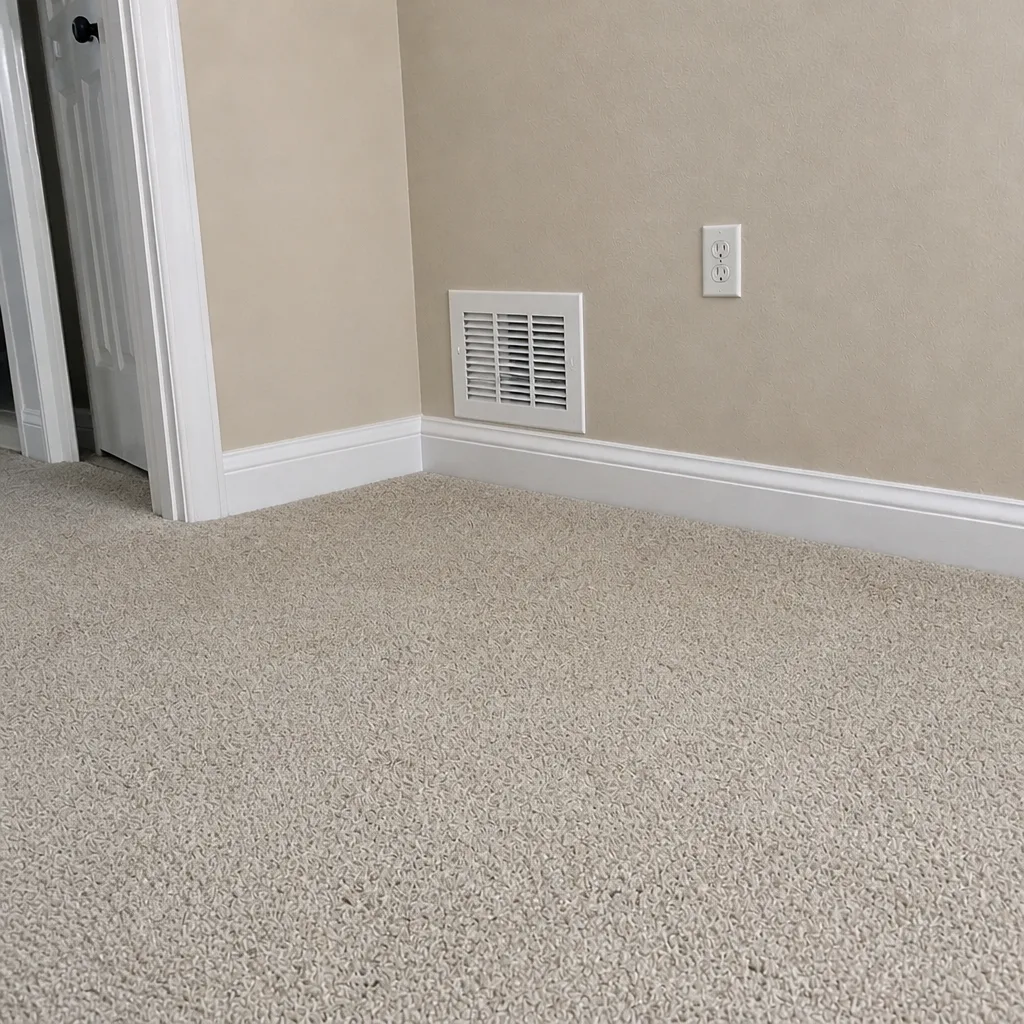
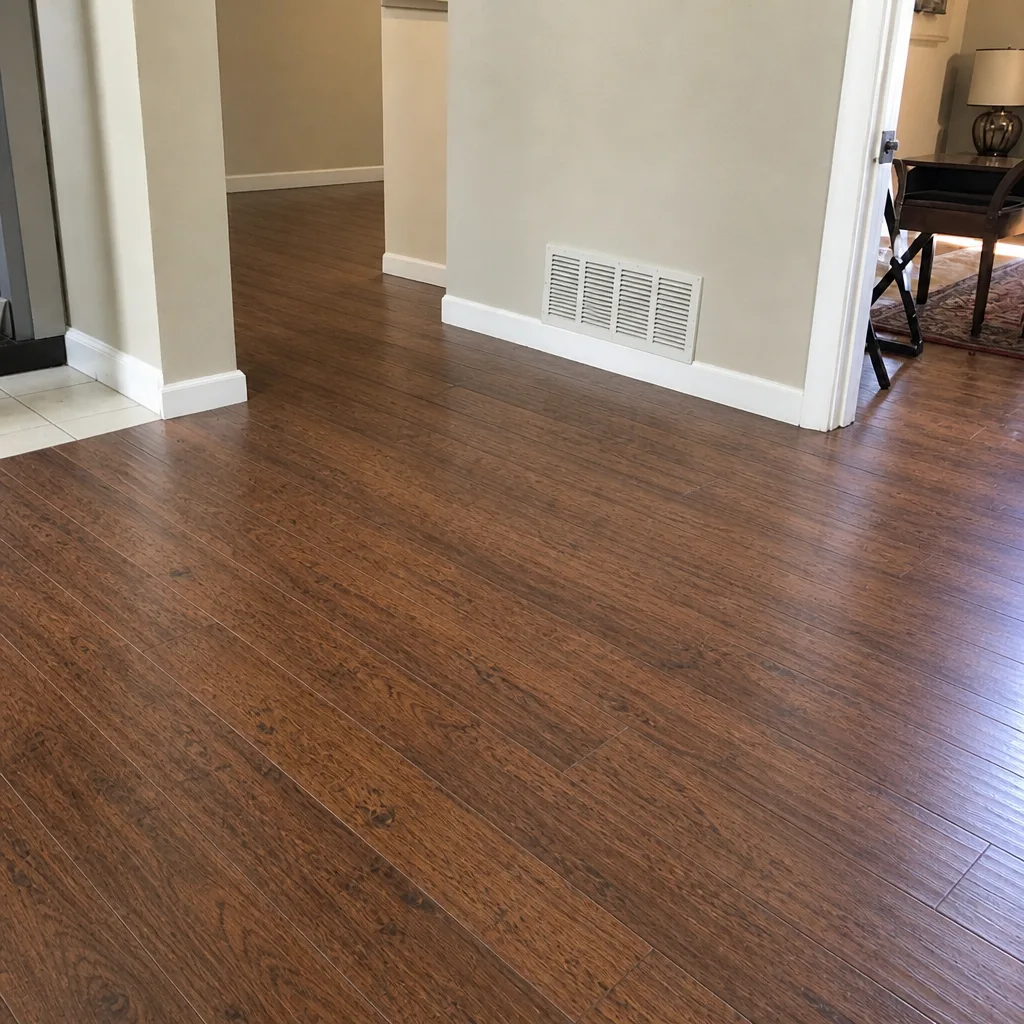
See the difference
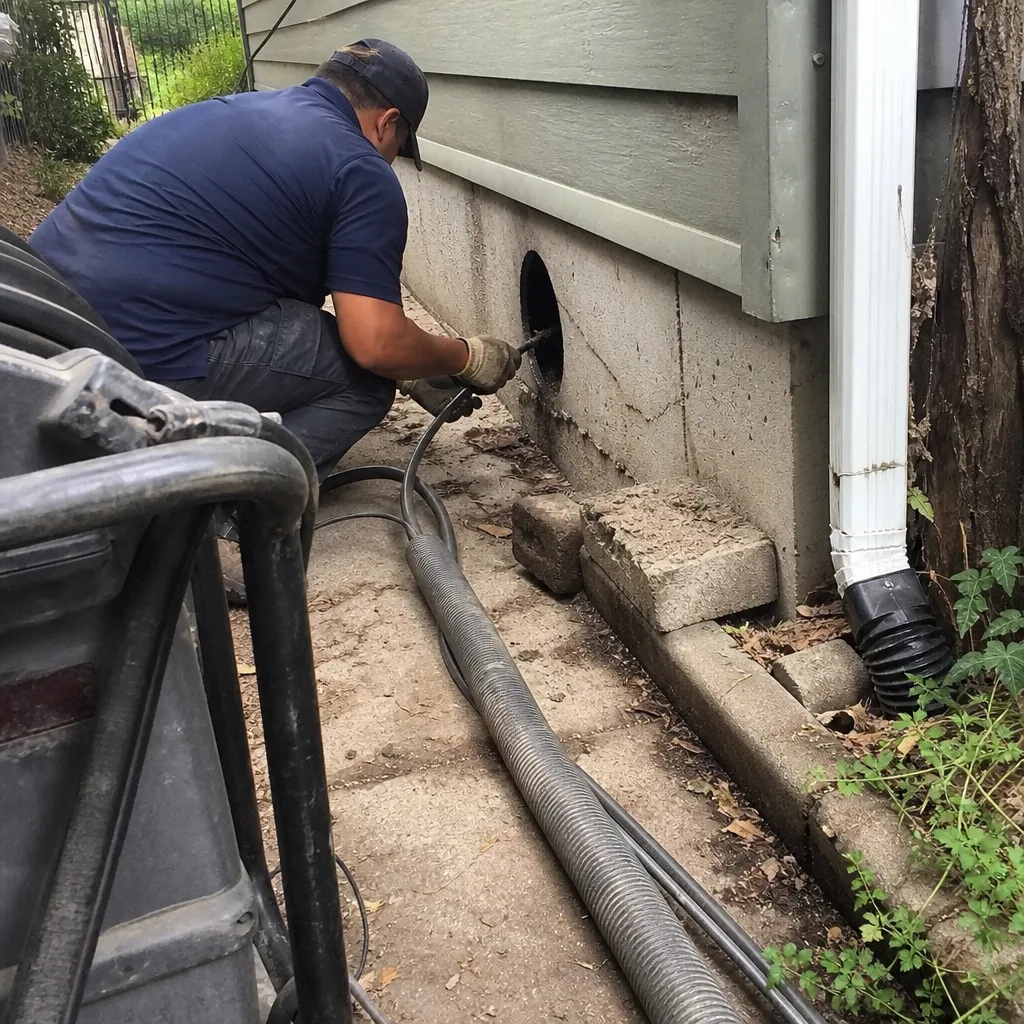 Before
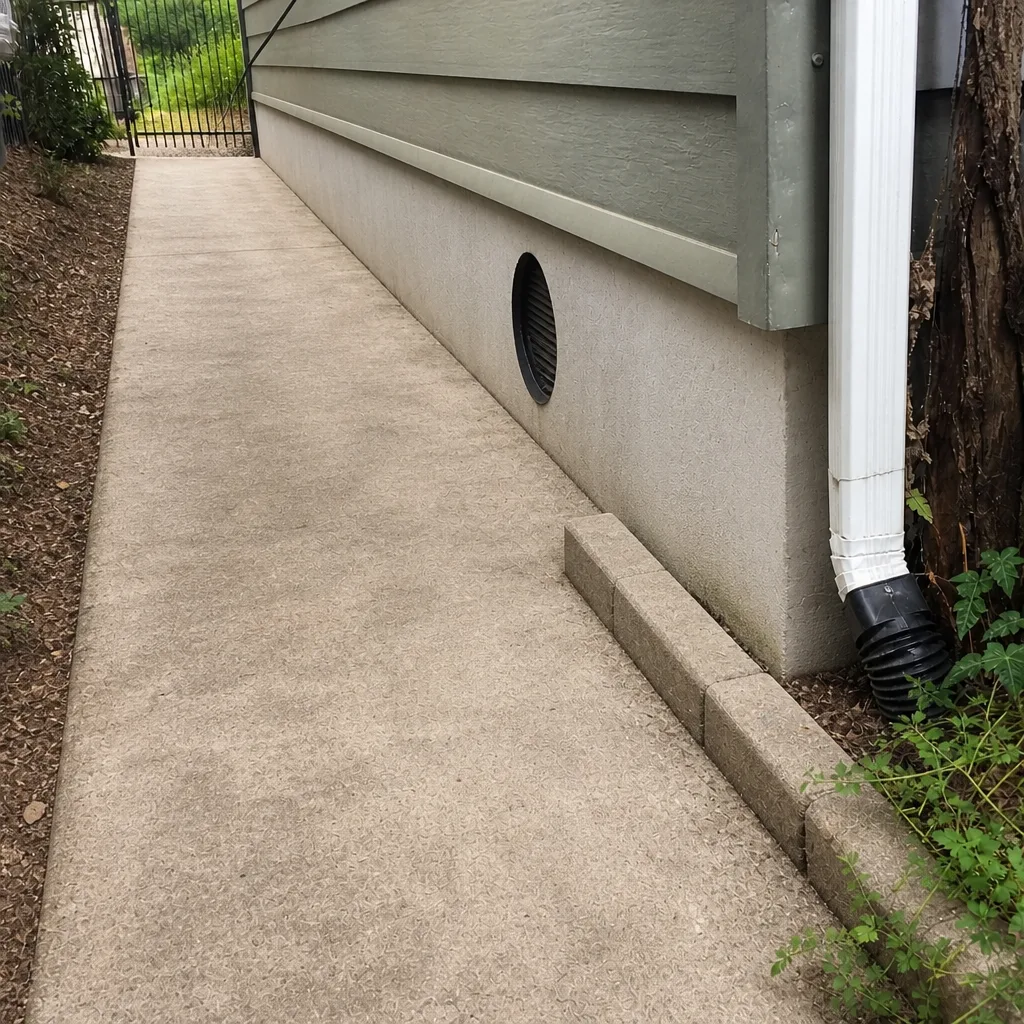 After
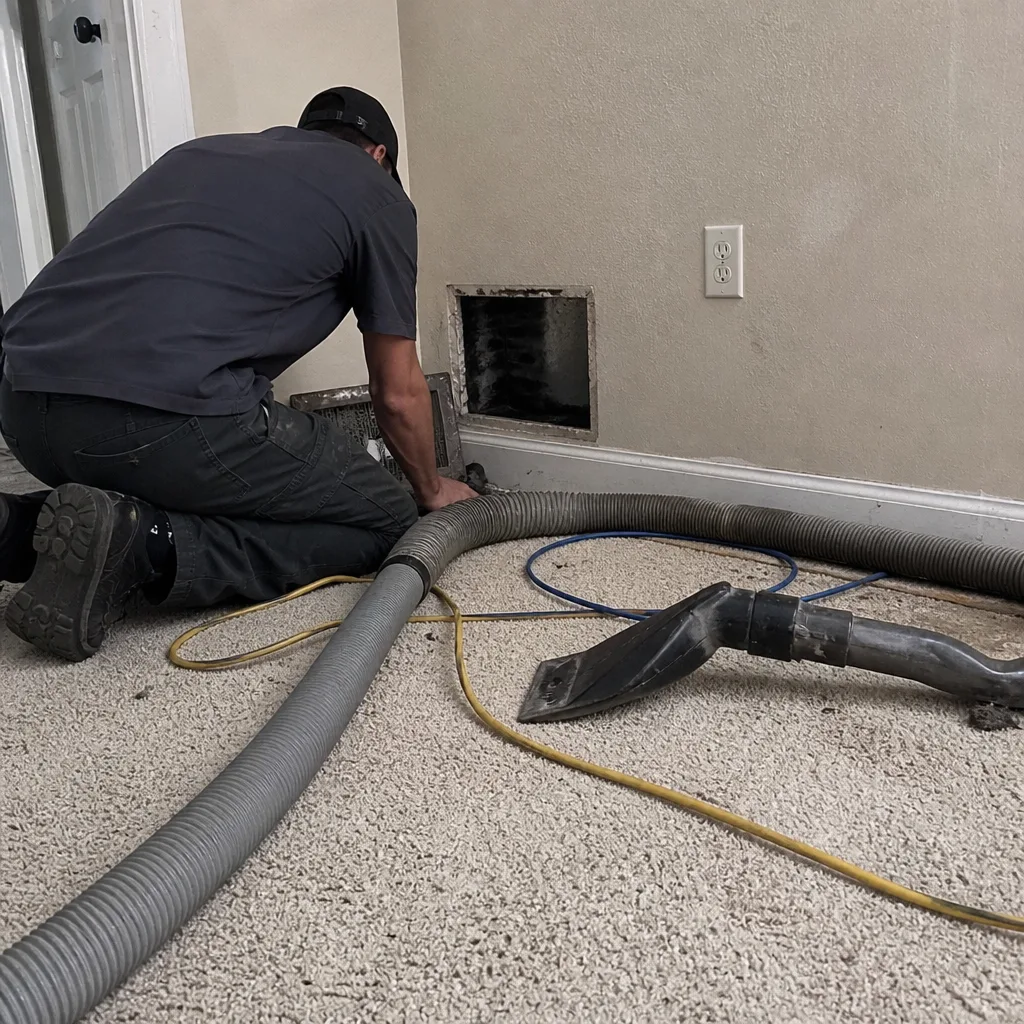 Before
 After
 Before
 After