
Last updated November 23, 2026
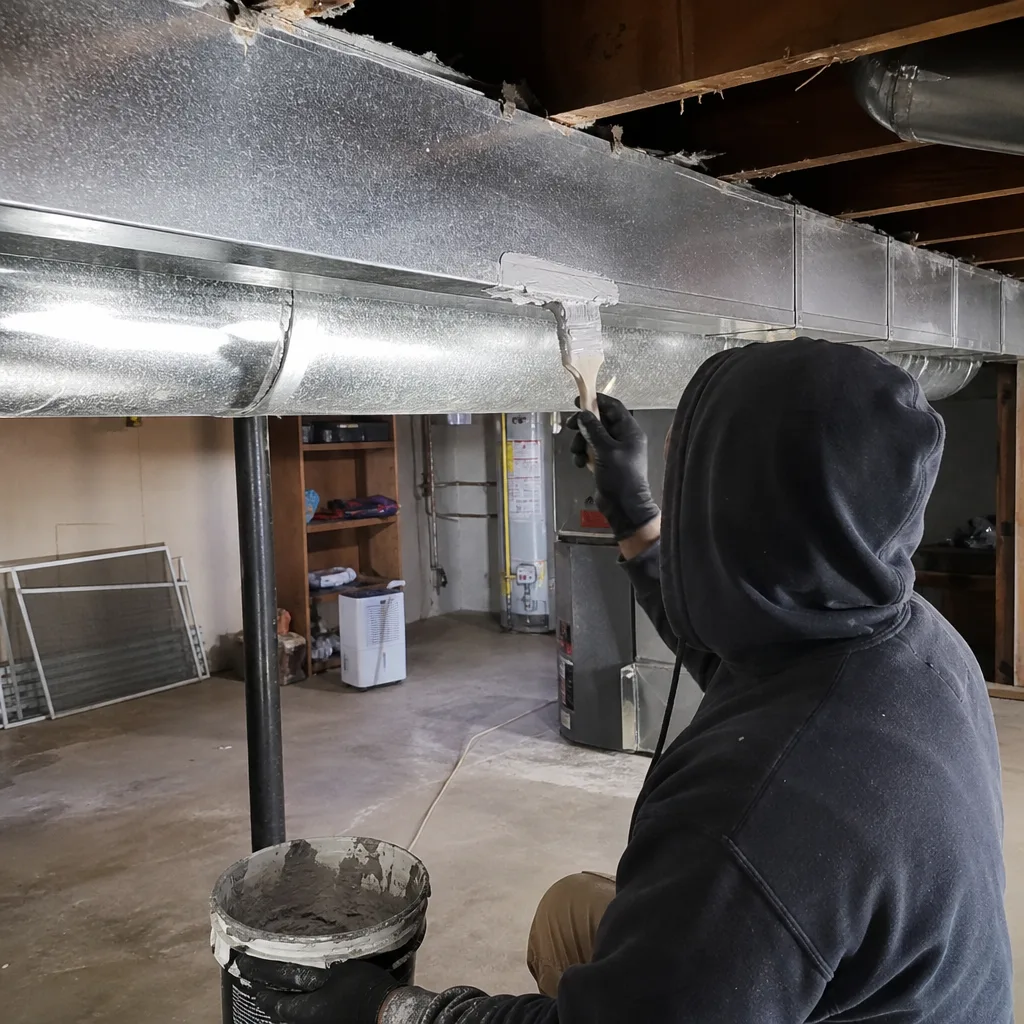
 Whole-home duct cleaning
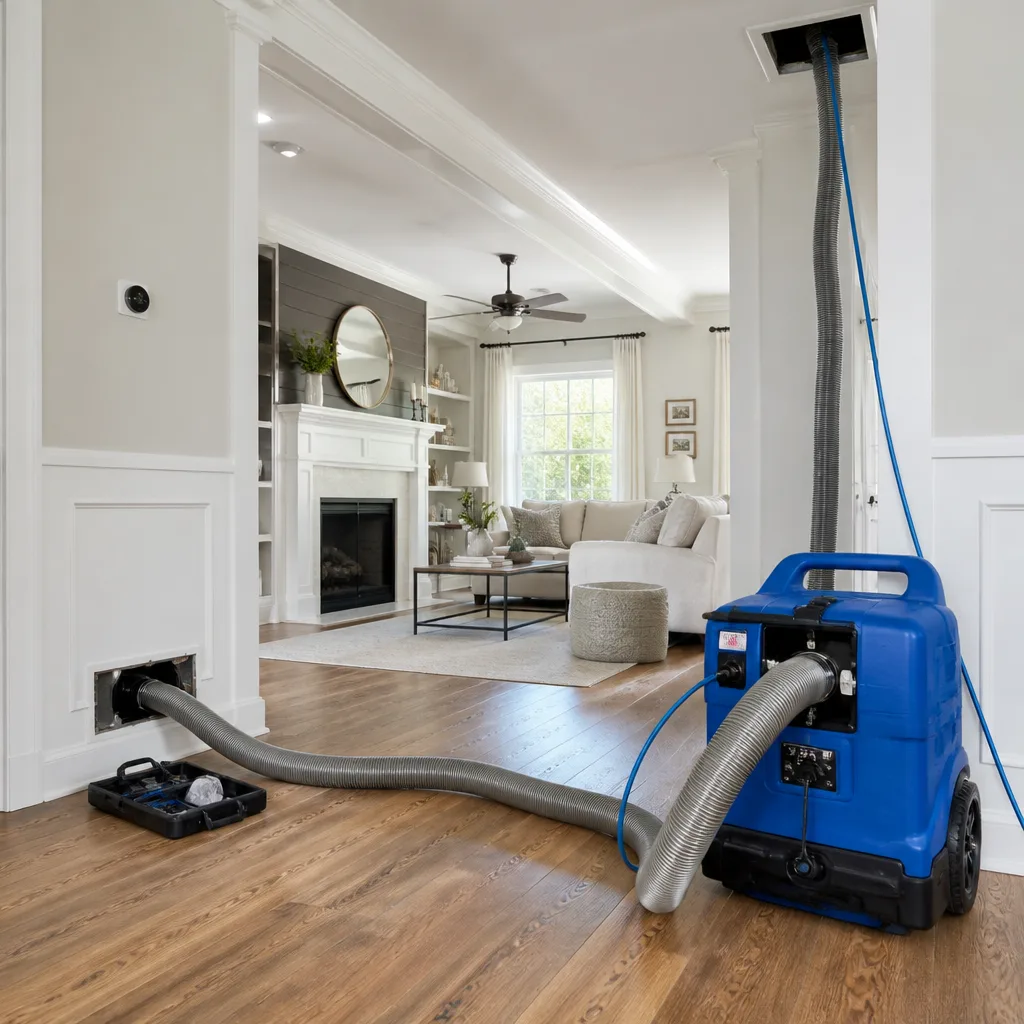
 Dryer vent cleaning
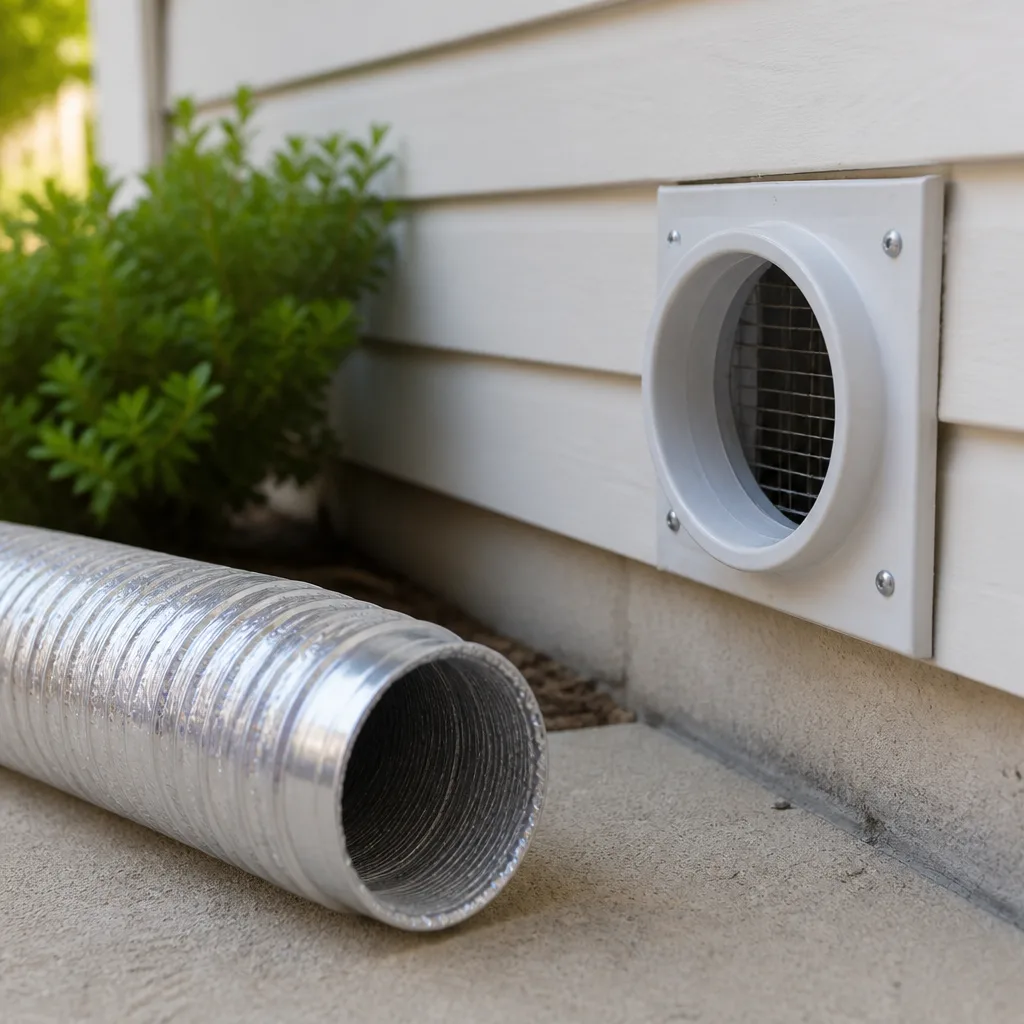
 Camera inspection
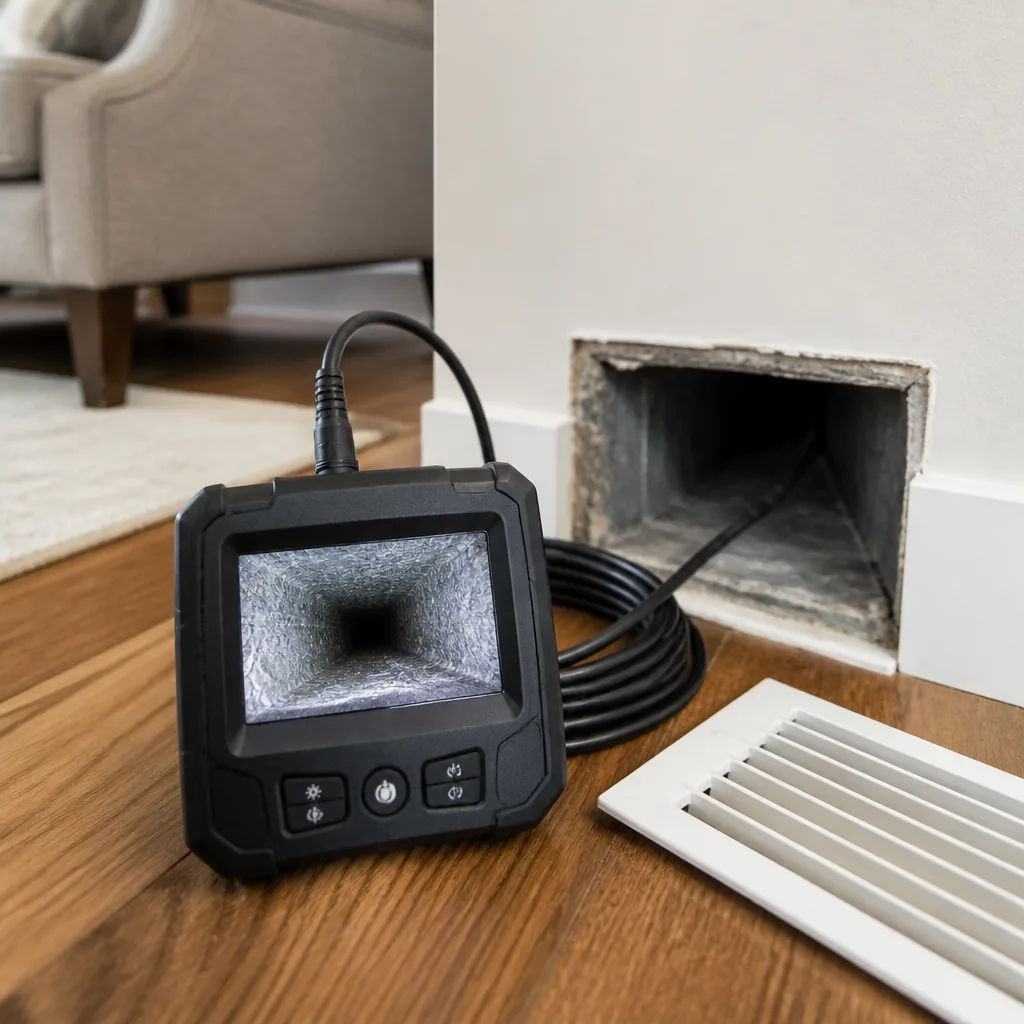
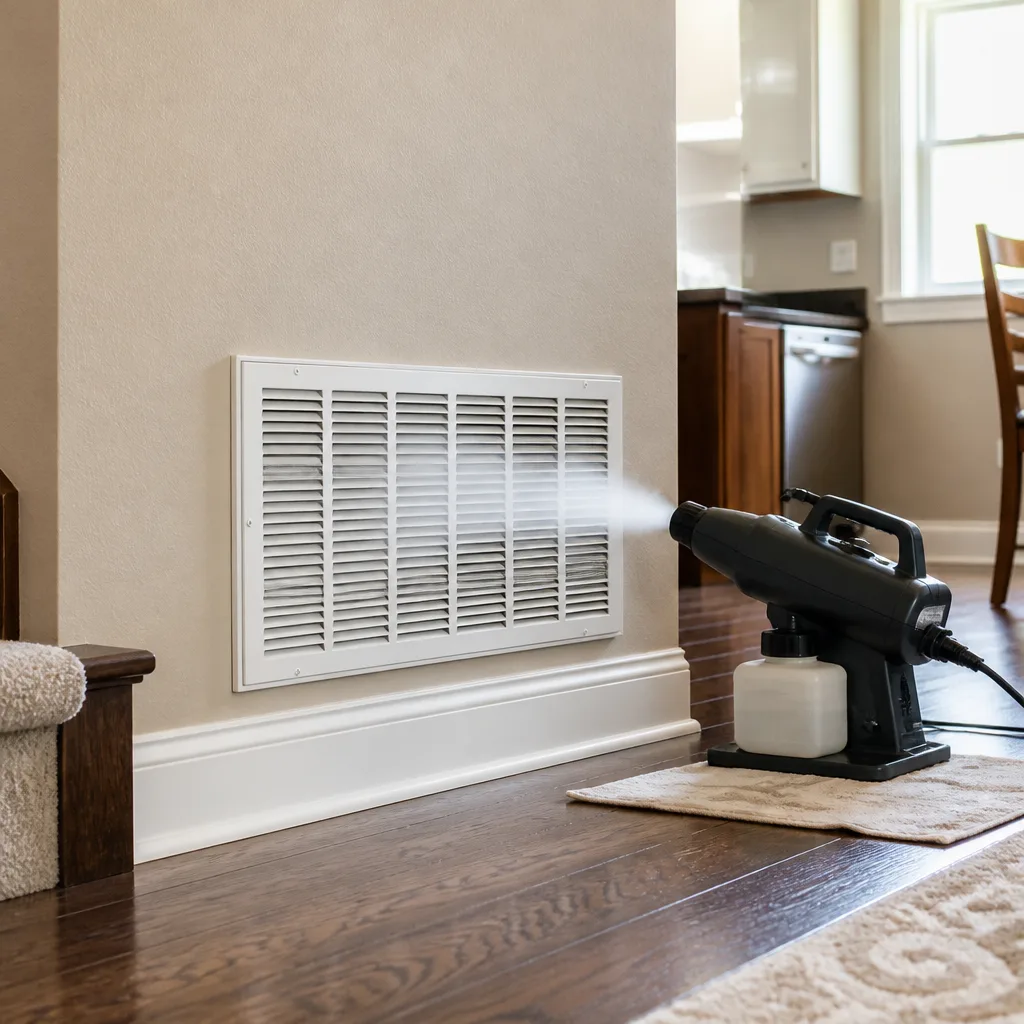 Sanitizing & deodorizing
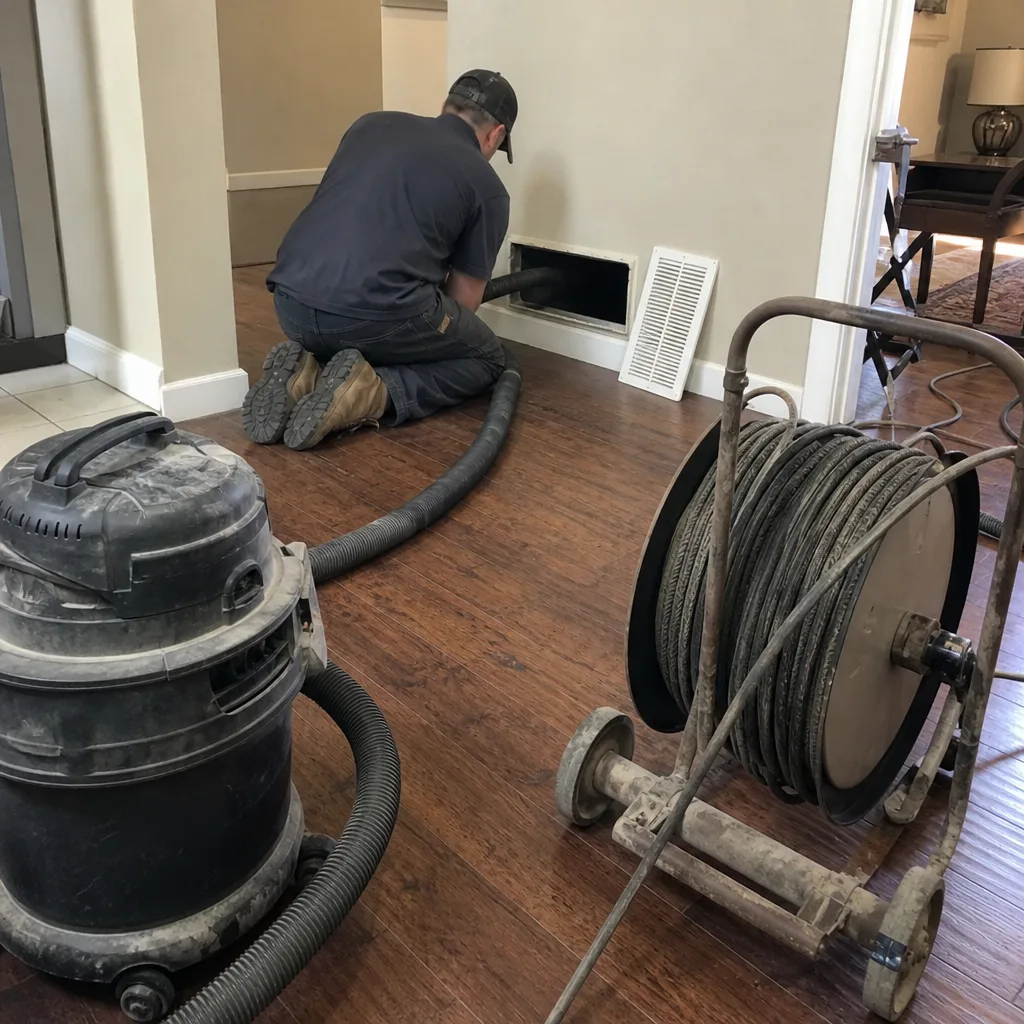
Whole-system duct and dryer vent check with before-and-after photos - you see exactly what came out of your vents
That "$99 whole-house special" is a bait ad - the real number appears once they are in your hallway, or the "clean" is a shop-vac at the register. We photograph the inside of your ducts before and after instead.
Air Duct Cleaning Permits, Codes & Inspections in Park Hill, CO: What You Need to Know
Colorado has no state license that exists specifically for duct cleaning. That single fact flips the usual permit question on its head. Nobody signs off on scrubbing a trunk line with a rotary brush. But the work itself can cross lines that do carry rules: disturbing insulation on a pre-1981 home, cutting into a plenum, rerouting a dryer exhaust through a wall in a historic district, or confirming mold growth inside a return. That’s where permits, surveys and inspections actually enter the picture in Park Hill. This guide walks through the code triggers, the asbestos rules, the HOA design-review layer, and how to read the paperwork a cleaning and an HVAC inspection leave behind.
Quick Answer
Air duct cleaning in Park Hill, CO does not require a permit on its own. The permit and code picture changes when the job goes beyond cleaning: modifying duct runs or connections can trigger a mechanical permit under Denver’s building code, disturbing insulation in a pre-1981 home requires an asbestos survey before the work starts, exterior venting changes in Park Hill’s historic districts may need HOA design review, and confirmed mold inside ductwork may require a licensed remediation contractor rather than a cleaning technician. Cleaning alone is unregulated; what it uncovers is not.
Styles & brands we work with
- Whole-home duct cleaning
- Dryer vent cleaning
- Camera inspection
- Sanitizing & deodorizing
Table of Contents
- Does air duct cleaning need a permit in Park Hill?
- When a duct repair crosses into mechanical permit territory
- Asbestos, pre-1981 homes, and the survey rule
- Historic districts and HOA design review in Park Hill
- Reading a duct cleaning report vs. an HVAC inspection report
- When a mold finding needs a remediation contractor
- How to vet a duct cleaner in a state with no license
- Common mistakes to avoid in Park Hill
- When to call a professional
Does air duct cleaning need a permit in Park Hill?
No. Cleaning ductwork is maintenance, not construction, so there’s no permit line item for it in Colorado or in Denver’s code. The confusion usually comes from the word “inspection.” People hear that word, assume a city inspector shows up, and start asking where to file the paperwork. Nobody does. A duct cleaning visit is a service call performed by a private company, not a regulated construction activity with a sign-off at the end.
What does exist is a patchwork. Denver licenses contractors across many trades, but there’s no duct-cleaning license class on the books. The state of Colorado doesn’t issue one either. That means the homeowner is the quality control, and the only real credential you can check is the equipment and the process. Professional-grade platforms like Rotobrush and Nikro are built for this work. A shop vacuum with a long hose attached to the register isn’t, and the difference matters most in a home with deep returns or a finished basement where the trunk line runs a long distance.
So the honest answer to “does this need a permit” is: the cleaning doesn’t. The repair, the insulation disturbance, the sealing and the venting change might. Keep those separate in your head and the rest of this guide reads much more clearly. When you’re ready to book the cleaning itself, our air duct cleaning page covers what a visit actually involves.
When a duct repair crosses into mechanical permit territory
A mechanical permit is generally required when you alter, replace or extend a duct system rather than simply clean it. That’s the dividing line. Sealing a joint with mastic, brushing out a trunk line, or vacuuming a return is maintenance. Cutting out a section of flex duct and rerouting it to a new register is an alteration, and alterations to mechanical systems fall under Denver’s building code and typically require a permit pulled by a licensed mechanical contractor.
The gray zone catches a lot of Park Hill homeowners because the two jobs often arrive together. A cleaning uncovers a disconnected joint behind a wall, or a crushed flex run to a second-story bedroom. Suddenly the visit isn’t a cleaning anymore. Here’s how to think about which side of the line you’re on:
- Cleaning only: brushing, negative-air vacuuming, sanitizing the interior surfaces of existing ducts. No permit.
- Sealing existing ducts: mastic or tape on accessible joints; no change to the system layout. Generally no permit, but check with Denver’s building department if the sealant creates a new air barrier in a concealed space.
- Repair that replaces a run: swapping a damaged section of duct for new duct. Usually a mechanical permit, pulled by the licensed contractor doing the work.
- Reconfiguring the system: adding, moving or removing a register or a trunk branch. A mechanical permit, almost always.
- Exterior vent location change: relocating a dryer or bath exhaust to a different exterior wall. A mechanical permit plus, in Park Hill’s historic districts, HOA design review.
We handle duct repair and sealing as a first-party service rather than referring it out, which means we can usually tell a homeowner up front whether their particular job will need a permit and a licensed mechanical contractor involved. That’s not about speed. It’s about telling you the truth before the van shows up.
Asbestos, pre-1981 homes, and the survey rule
If your Park Hill home was built before 1981 and the ducts are wrapped in insulation, an asbestos survey is legally required before any disturbance. This is the single most overlooked rule in the entire duct-cleaning conversation. Colorado’s asbestos program, run by the state health department through the Air Pollution Control Division, follows EPA standards under the National Emission Standards for Hazardous Air Pollutants. Disturbing asbestos-containing material without the required survey and, where present, proper abatement is not a paperwork problem; it’s a health and liability problem.
Park Hill’s housing stock makes this a live issue. The neighborhood’s older blocks include many mid-century and earlier homes, and pre-1981 construction is common enough that we ask the build year on every estimate. Duct wrap, pipe insulation, and the thermal lining inside older plenums are all candidates for asbestos content. Guessing isn’t good enough. A visual inspection by the person cleaning the ducts does not count as an asbestos survey.
Here’s how the survey step typically goes:
- Confirm the build year. Anything pre-1981 triggers the survey question before cleaning work is scheduled.
- Hire a state-accredited asbestos inspector. Sampling and lab analysis must be done by someone legally qualified under Colorado’s asbestos rules. A cleaning technician, a handyman or a home inspector cannot perform this survey.
- Order a sample from any suspect material. Duct wrap, joint tape and plenum lining in older Park Hill homes are the usual suspects. The lab report tells you whether the material is asbestos-containing.
- If positive, the material is abated before cleaning. Removal is done by a licensed abatement contractor. Duct cleaning starts only after the material is cleared.
- If negative, cleaning proceeds. Keep the survey report with your home records; it’s useful for future work and for a sale disclosure.
The survey requirement is not a scam invented by cleaning companies. It’s a state rule, and any company that offers to “clean right through” insulated ducts in a pre-1981 Park Hill home without asking about the survey is telling you something about how they operate. If the insulation is friable, disturbed or deteriorating, that’s a hard stop until the survey comes back. Our HVAC cleaning service treats the survey question the same way, because the plenum and coil housing carry the same insulation risk.
Historic districts and HOA design review in Park Hill
Moving a vent on the outside of a Park Hill house can be a bigger deal than cleaning the ducts inside it. Park Hill includes several blocks within Denver’s historic preservation framework, and many properties sit under HOA covenants that shape what changes are visible from the street. Cleaning never triggers design review. Exterior venting changes do.
The scenario that comes up: a cleaning reveals a dryer vent running a long, sagging route through a wall cavity, and the fix is a shorter run to a different exterior wall. That new vent penetration, the new hood, and the color and shape of the termination all become design-review items. Same for a bath fan relocation, and for any new exterior ducted hood. In a historic district, the review runs through Denver’s historic preservation staff. In an HOA, it runs through the architectural review committee.
What design review typically asks:
- Where the new penetration lands on the facade, and whether it’s visible from the street.
- The material, color and profile of the exterior hood or termination.
- Whether the change is reversible if the structure is later reconfigured.
- Whether the ducting material conforms to the community’s rules (some HOAs restrict flexible duct on the exterior for appearance reasons).
The practical advice: before the cleaning visit, walk your HOA covenants and check whether your block is in a historic district. If it is, ask your cleaning company whether their scope includes any exterior changes, then submit the design-review request early if the answer is yes. Our dryer vent cleaning scope stays interior, so it doesn’t usually trigger review, but a reroute does. Better to ask the question before the ladder goes up than after.
Reading a duct cleaning report vs. an HVAC inspection report
A duct cleaning report documents what was done. An HVAC inspection report documents the condition of the system. Homeowners and real estate agents mix the two up constantly, especially during a home sale in Denver County, and the confusion can cost you at disclosure time. Both are useful; neither is a substitute for the other.
Here’s what each document normally contains:
| Document | Produced by | Typical contents | Use case |
|---|---|---|---|
| Duct cleaning report | Duct cleaning company | Scope of work, equipment used, before-and-after photos of the ducts, list of areas cleaned, sanitizing product applied | Proof of maintenance, allergy documentation, seller disclosure of recent cleaning |
| HVAC inspection report | Licensed HVAC contractor or inspector | Condition of equipment, airflow measurements, coil and plenum condition, leak notes, recommended repairs | Home sale disclosure, insurance claims, capital planning for replacement |
| Asbestos survey report | State-accredited asbestos inspector | Sample locations, lab results, material condition | Required before any disturbance in pre-1981 homes; sale disclosure |
The disclosure angle matters in Denver County. A seller generally must disclose known material defects, and a duct cleaning report that documents mold growth or disconnected joints is a document the seller now “knows” about. If your cleaning company finds something significant, get it in writing, get photos, and don’t assume the report will stay in a drawer. On the buyer’s side, ask for both the cleaning report and the HVAC inspection report. They tell you different things. One says the ducts were cleaned; the other says the system works.
For insurance purposes, a cleaning report plus before-and-after photos is usually what a carrier asks for after a water intrusion, a fire or a renovation has sent dust through the system. Keep the photos with your home file. For repair work, ask your HVAC contractor for the permit number and the inspection sign-off; those belong in the same file.
When a mold finding needs a remediation contractor
Confirmed mold growth inside ductwork is not a cleaning job. Under Colorado’s contractor licensing framework, mold remediation is regulated work, and a technician who only holds duct cleaning equipment cannot legally remove mold-contaminated materials or perform the containment work that remediation requires. That line is sharper than most homeowners expect, and it’s the point where a cleaning estimate turns into a remediation referral.
The trigger is confirmation, not suspicion. A musty smell and a few dark spots near a register are reasons to investigate. An inspector’s lab report and confirmed growth on duct interior surfaces are reasons to bring in a licensed remediation contractor. Air sampling isn’t the same as surface confirmation, and a cleaning company shouldn’t call something mold without evidence just to upsell. If a company offers “mold treatment” without explaining who’s licensed to do remediation, that’s a conversation worth pausing on.
After remediation, the ducts can be cleaned and the system rebuilt. The sequence usually looks like this:
- Investigate the source first. Mold needs moisture. The source is almost always a leak, a disconnected duct in a humid space, or a poorly vented bath fan.
- Confirm with proper testing. Surface sampling by a licensed mold assessor establishes what’s present.
- Remediation by a licensed contractor. Containment, removal of contaminated materials, and post-remediation verification.
- Cleaning and sanitizing after clearance. Once remediation is signed off, duct cleaning with negative-air containment is the next step.
- Moisture control. Honeywell and Aprilaire air-quality products let us add filtration and humidity control as a long-term fix, not a one-time bandage.
The point is not to frighten anyone. It’s that mold is a category that has its own rules. Once confirmed, the work changes hands.
How to vet a duct cleaner in a state with no license
Because Colorado doesn’t license duct cleaners, the only credential you can check is the equipment and the process. That means the vetting lands entirely on the homeowner. Here’s what separates a professional operation from a guy with a shop vacuum and a coupon:
- Look at the equipment brand names. Rotobrush and Nikro are professional-grade duct-cleaning platforms used across the trade. If the company can’t name their equipment, that’s a signal.
- Ask about negative-air containment. Abatement Technologies negative-air units capture dislodged debris at the source. Without containment, a cleaning can redistribute dust through the house rather than removing it.
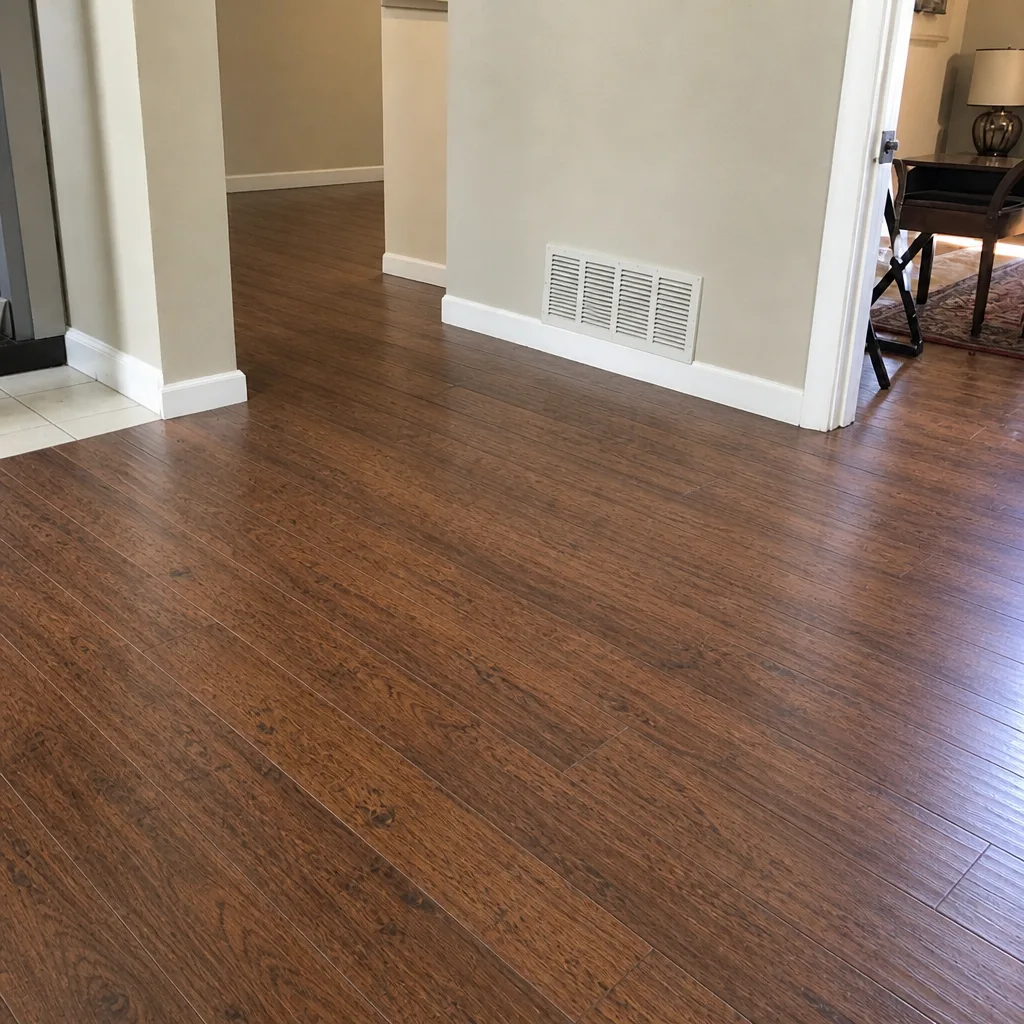
- Ask for before-and-after photos of your own ducts. Not stock images. Your ducts, your photos, included with the report.
- Ask how they price. One flat price per system, agreed before work starts, is the honest model. Per-vent pricing and teaser coupon prices are where the bait-and-switch lives.
- Ask who does the repair work. If the answer is “we refer that out,” you’re paying for coordination and a second visit.
- Ask about the pre-1981 asbestos question. In Park Hill, this is a test. A company that doesn’t ask the build year isn’t reading the rules that apply to your home.
We operate under one flat price per system agreed before the work starts, and we deliver before-and-after photos of your ducts with the report. Our technicians have up to 8 years of experience, and they carry the same equipment on every job. If a cleaning reveals an asbestos or mold problem, we tell you the truth about who’s licensed to handle it rather than working around it. To get a free estimate, call (866) 964-3950. We answer 24/7. Fast dispatch from 7am to 7pm, Sunday through Friday.
Common mistakes to avoid in Park Hill
- Assuming the whole job needs a permit. Cleaning doesn’t. The repair that follows might. Ask your cleaning company which parts of the scope cross that line, and get the answer in writing before you sign.
- Skipping the asbestos survey on a pre-1981 home. Duct wrap and plenum lining in older Park Hill homes carry real risk. A survey before disturbance is required, and a cleaning company that brushes past this point isn’t doing you a favor.
- Accepting a per-vent price over the phone. The math rarely works out in your favor once the technician is on site. One flat price per system, agreed before work starts, is the model that holds up.
- Moving an exterior vent without checking the historic district or HOA rules. A vent that winds up where the architectural review committee won’t allow it costs more to undo than to plan correctly the first time.
- Confusing a duct cleaning report with an HVAC inspection report. One is proof of maintenance; the other is a condition document used at disclosure and with your insurer. Ask for whatever your situation actually needs.
- Treating a mold finding as a cleaning upsell. Confirmed mold requires a licensed remediation contractor. If a cleaning company offers to handle it without that license, ask hard questions.
- Choosing on price alone. A $99 coupon for a job that starts at a sensible whole-system number is a sign the scope got shaved. Ask what the flat price covers and what the report will show.
When to call a professional
Call a professional when the ducts haven’t been cleaned since a major renovation, a new baby is arriving, allergy symptoms spike after the heat comes on, or you’ve just moved into a house with an unknown service history. Call before a cleaning if your Park Hill home was built before 1981 and the ducts are insulated, so the asbestos survey can be handled cleanly first. Call if a cleaning estimate crosses into repair work, if a vent needs to be relocated, or if you smell something musty every time the system cycles. And call if you’re selling in Denver County and need a documented cleaning report for disclosure.
Air Duct Cleaning Park Hill offers free estimates in Park Hill. We handle cleaning, dryer vent, HVAC, duct repair and sealing, and sanitizing under one roof, with equipment from Rotobrush, Nikro and Abatement Technologies. Call (866) 964-3950. We answer 24/7. Fast dispatch from 7am to 7pm, Sunday through Friday.
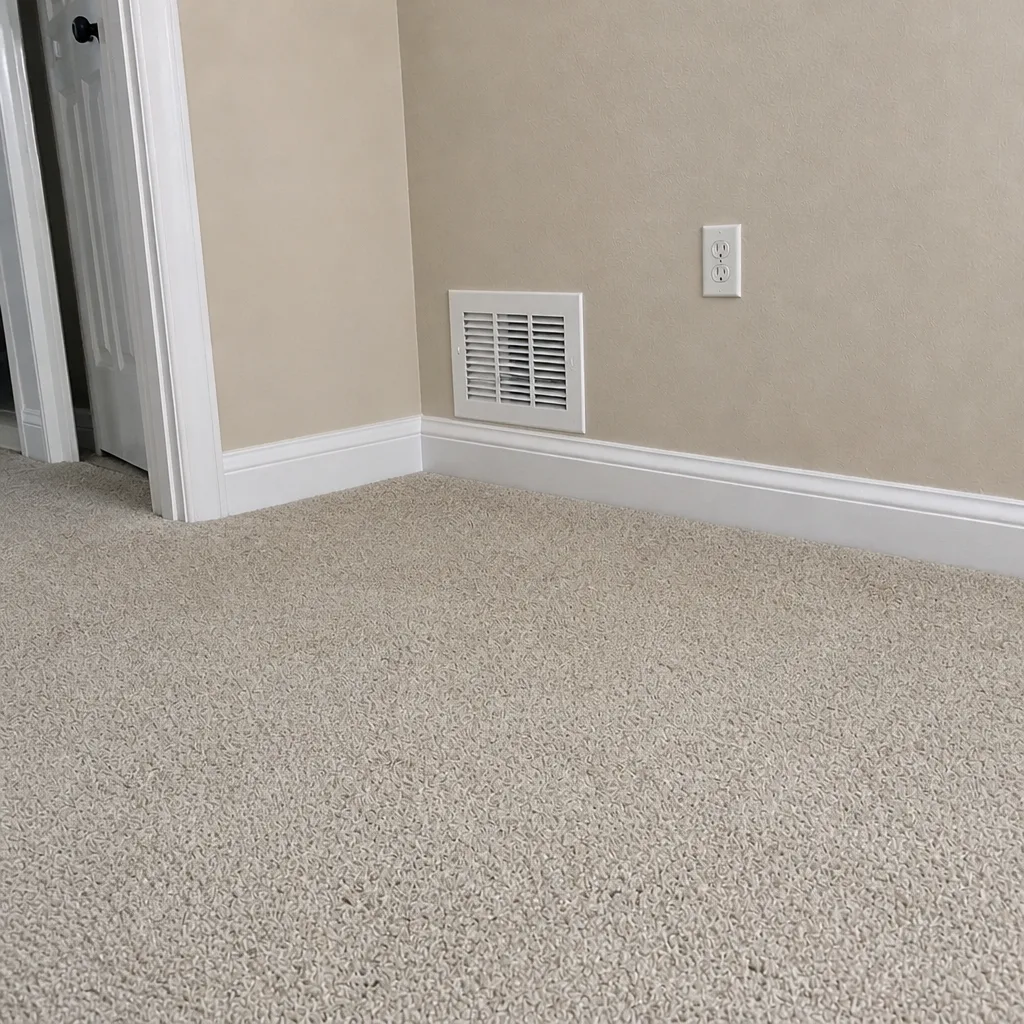
See the difference
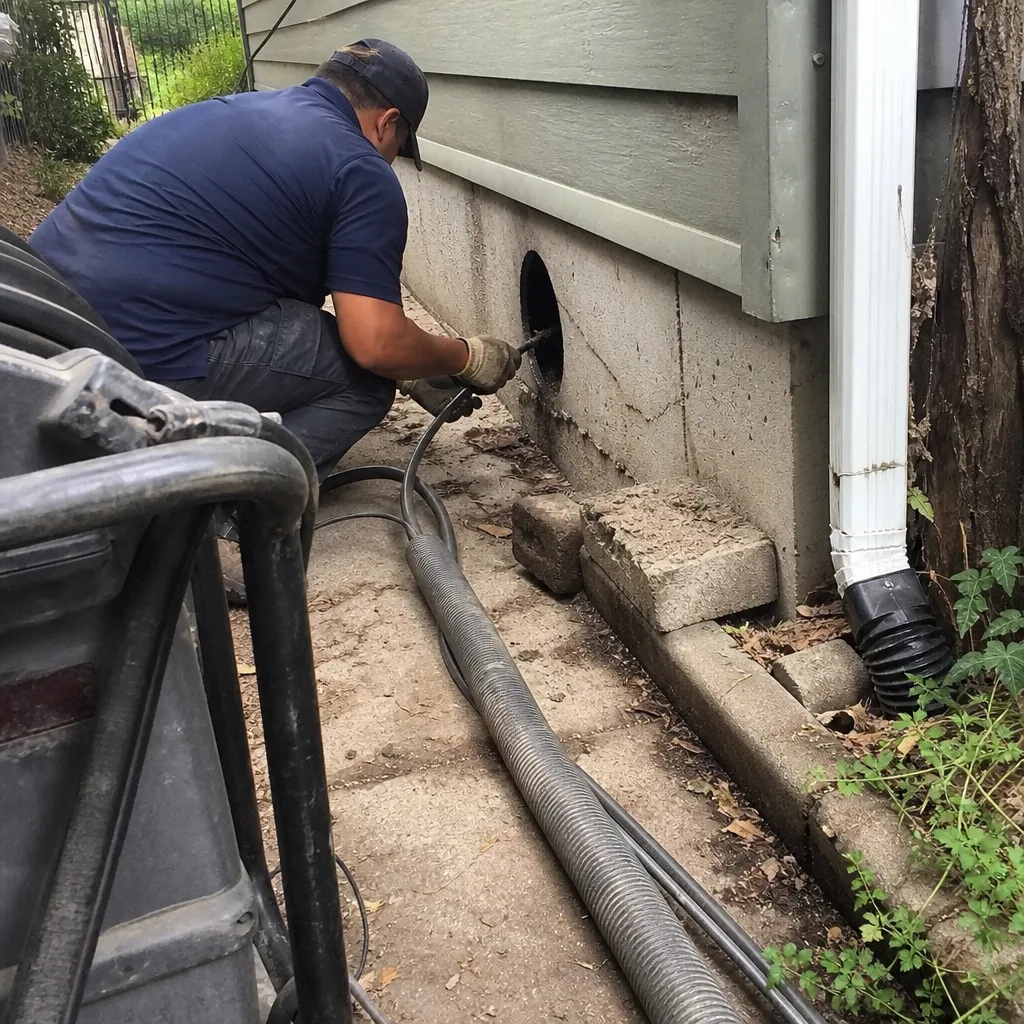 Before
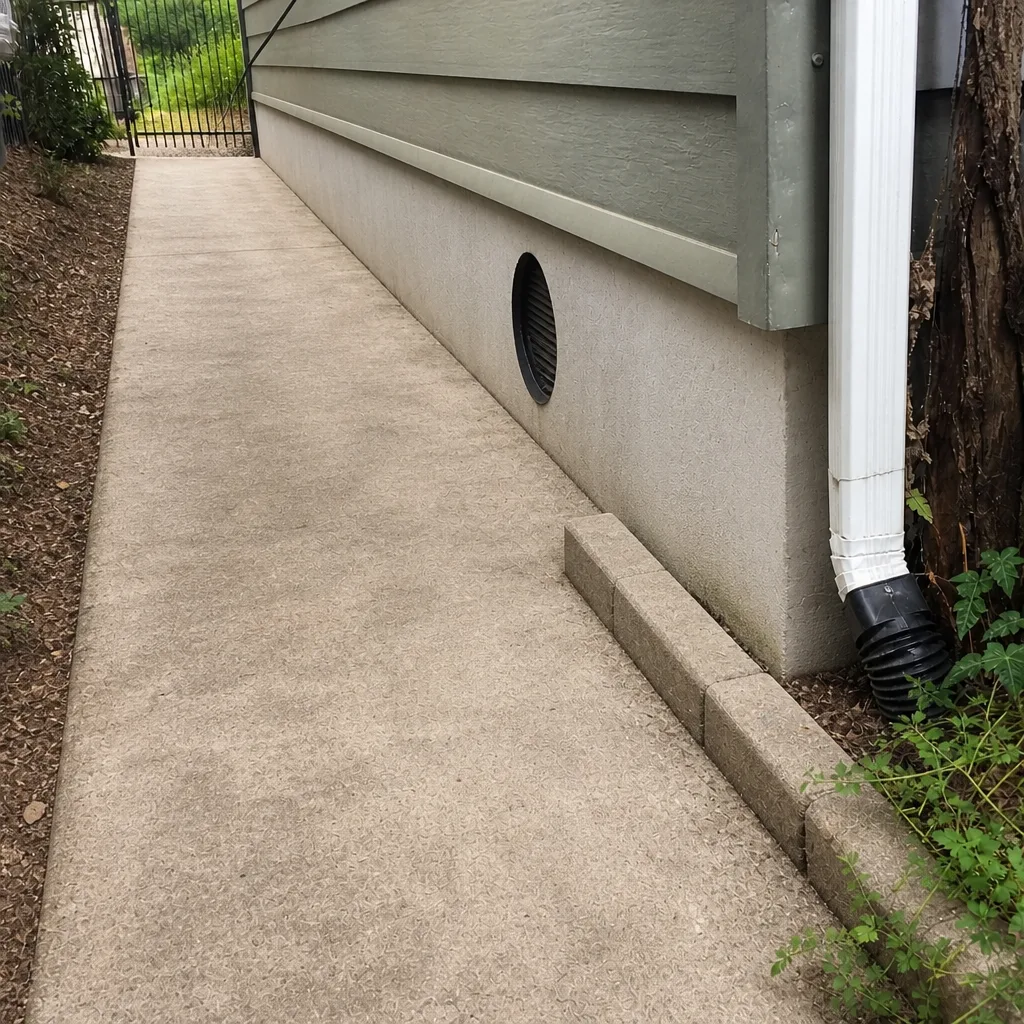 After
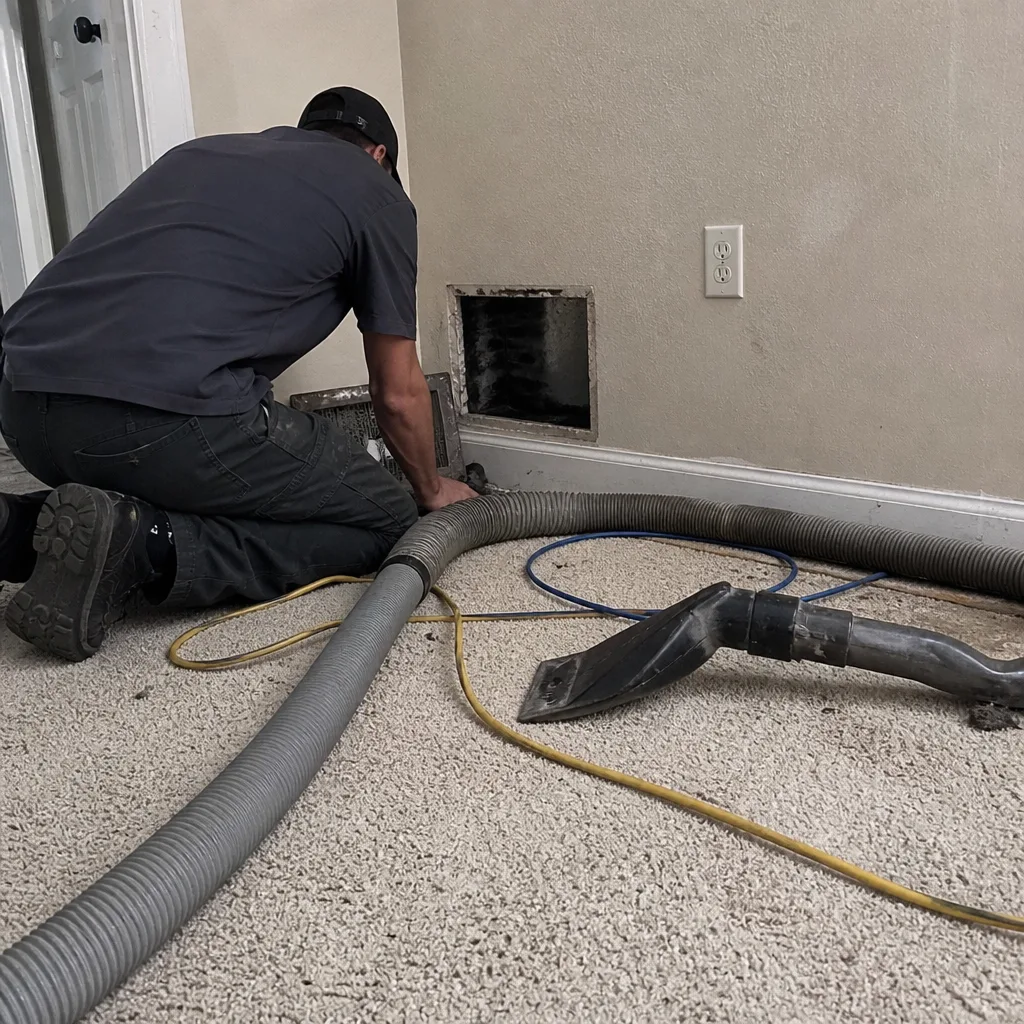 Before
 After
 Before
 After
Frequently Asked Questions
No. Air duct cleaning itself does not require a permit in Park Hill, Denver or anywhere else in Colorado. A mechanical permit only enters the picture when the work changes the system: replacing a run, adding or moving a register, or relocating an exterior vent. Call (866) 964-3950 for a free estimate that spells out which side of that line your job sits on.
Yes, if the ducts are wrapped in insulation that would be disturbed during cleaning. Colorado’s asbestos program requires an accredited inspector to survey suspect materials in pre-1981 homes before any disturbance. Cleaning starts only after the survey clears the material, or after abatement if the sample comes back positive. Call (866) 964-3950 and we’ll walk through what the survey needs to cover.
No, not if the mold is confirmed. Mold remediation is regulated work, and it requires a licensed remediation contractor using proper containment. A duct cleaning company can clean and sanitize ducts after remediation is complete, but it cannot perform the remediation itself. If you suspect mold, call (866) 964-3950 and we’ll help you sort out the sequence.
They’re separate services with different purposes. Cleaning removes what’s built up in the ducts and produces a cleaning report with before-and-after photos. An HVAC inspection checks the equipment, airflow and coil condition and produces a condition report. If you’re selling a home in Denver County, ask for both. Call (866) 964-3950 to schedule a free estimate and we’ll help you decide what your situation actually calls for.
Yes, many do, and blocks inside Denver’s historic preservation framework go through an additional layer of design review. Cleaning the ducts stays interior and doesn’t trigger either. Moving or rerouting an exterior dryer vent or bath exhaust does. If your cleaning estimate includes a vent relocation, ask about design review before the work is scheduled. Call (866) 964-3950 for a free estimate.
Because the scope is different. A coupon price often buys a per-vent visit with consumer-grade equipment and no negative-air containment, which can redistribute dust rather than remove it. A whole-system clean with a flat price, before-and-after photos and professional equipment costs more up front and does the job you’re paying for. Call (866) 964-3950 for a free estimate on a whole-system clean.
The Bottom Line
Duct cleaning is unregulated in Colorado, but the work around it is not. Cleaning itself never needs a permit. The moment a technician disturbs insulation in a pre-1981 Park Hill home, cuts into a duct run, moves an exterior vent in a historic district, or confirms mold inside a return, the rules change and the right professional for the job changes with them. The homeowner’s job is to ask the questions up front: build year, equipment brand, flat price, repair scope, and what the report will actually show. Do that and the permit question stops being confusing. It becomes a normal part of planning the work.
Call (866) 964-3950 for a free estimate. We answer 24/7. Fast dispatch from 7am to 7pm, Sunday through Friday.
Written by the team at Air Duct Cleaning Park Hill.