
Last updated November 23, 2026
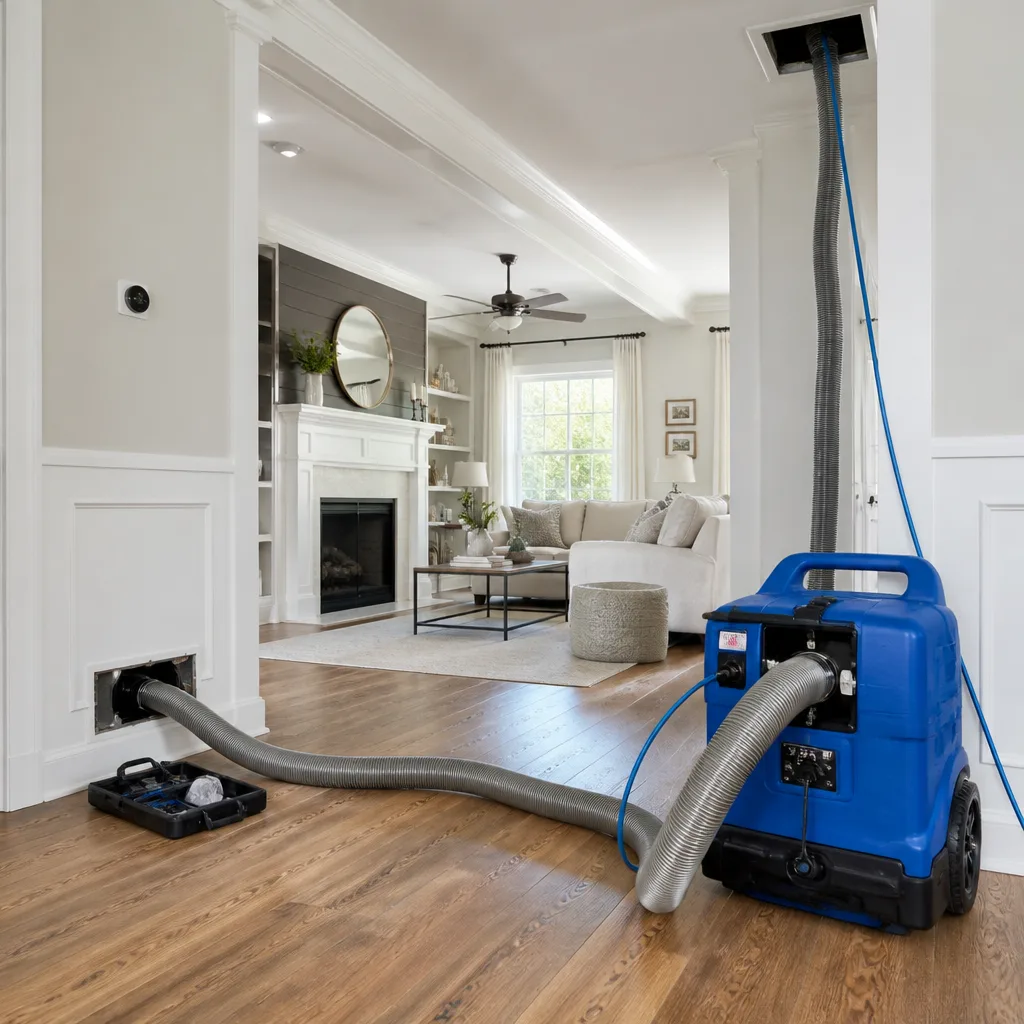 Whole-home duct cleaning
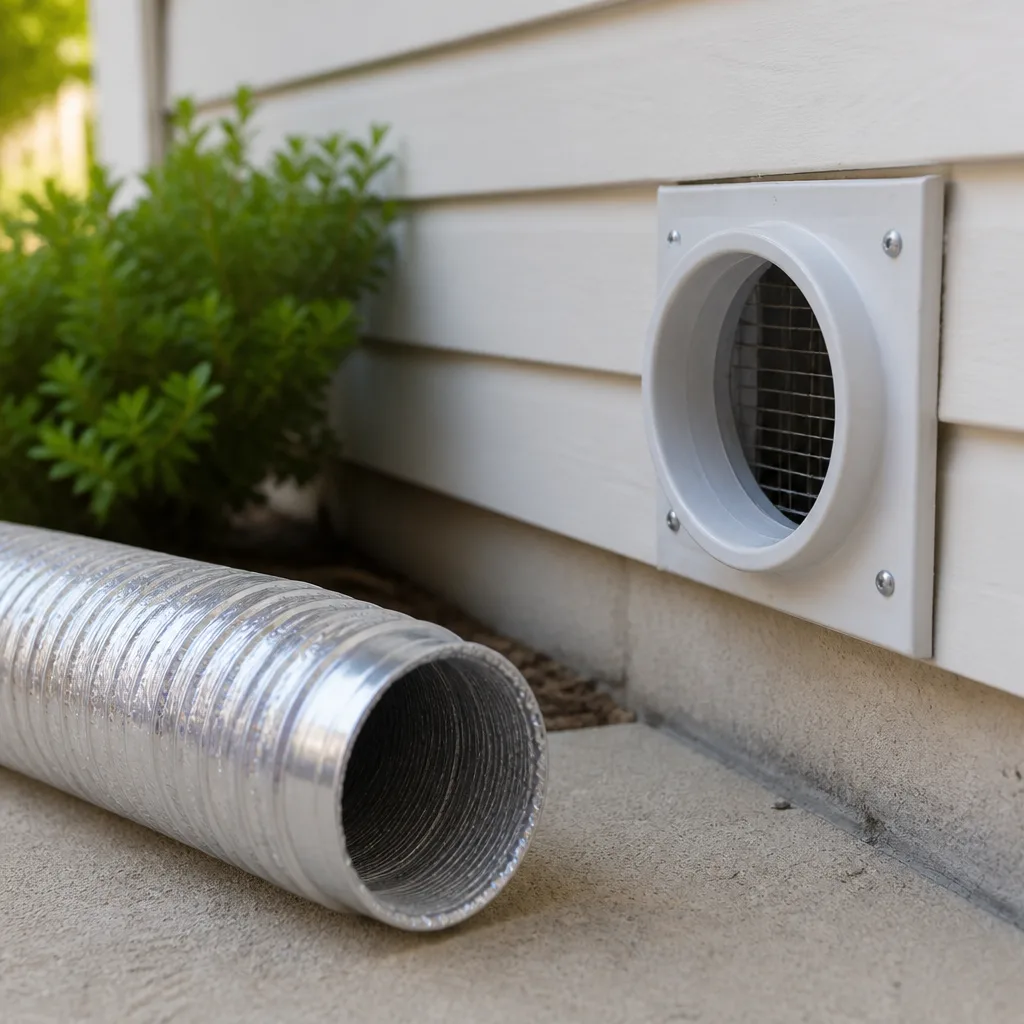 Dryer vent cleaning
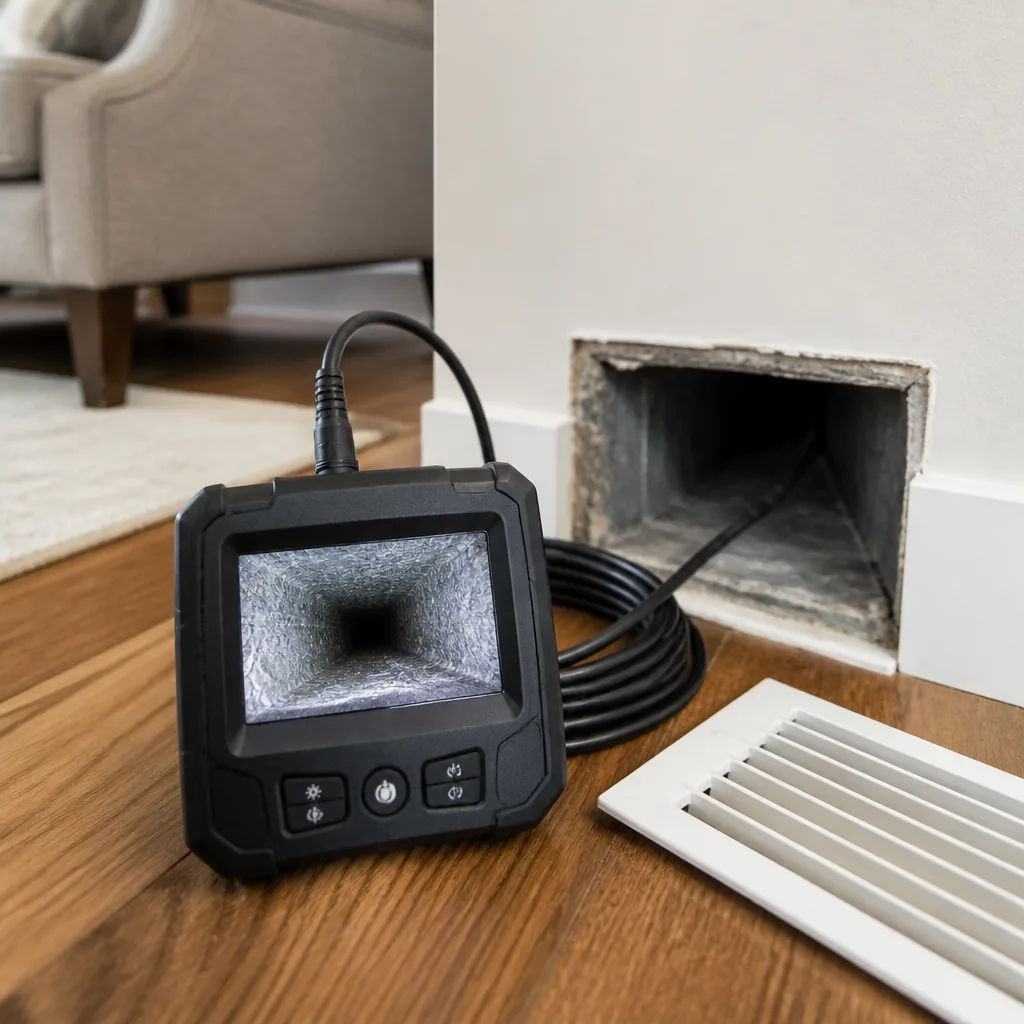 Camera inspection
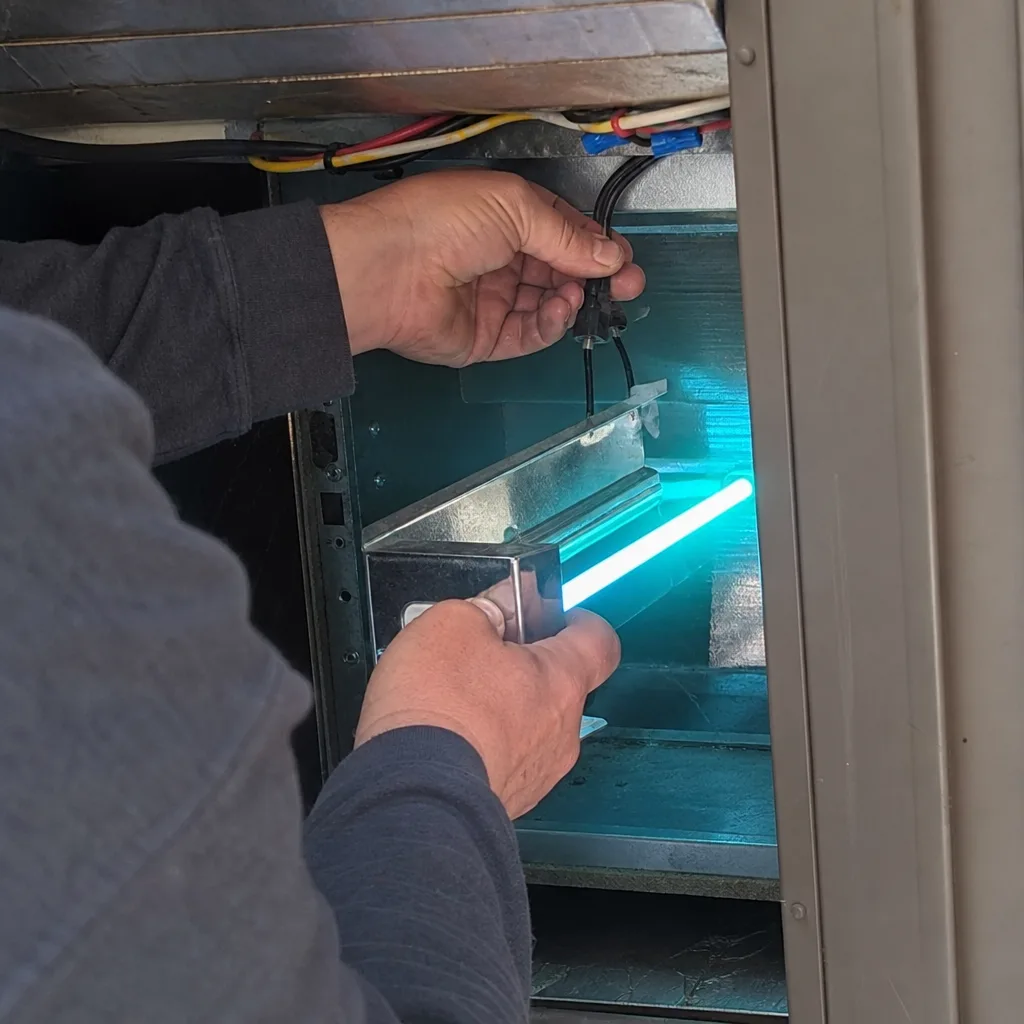
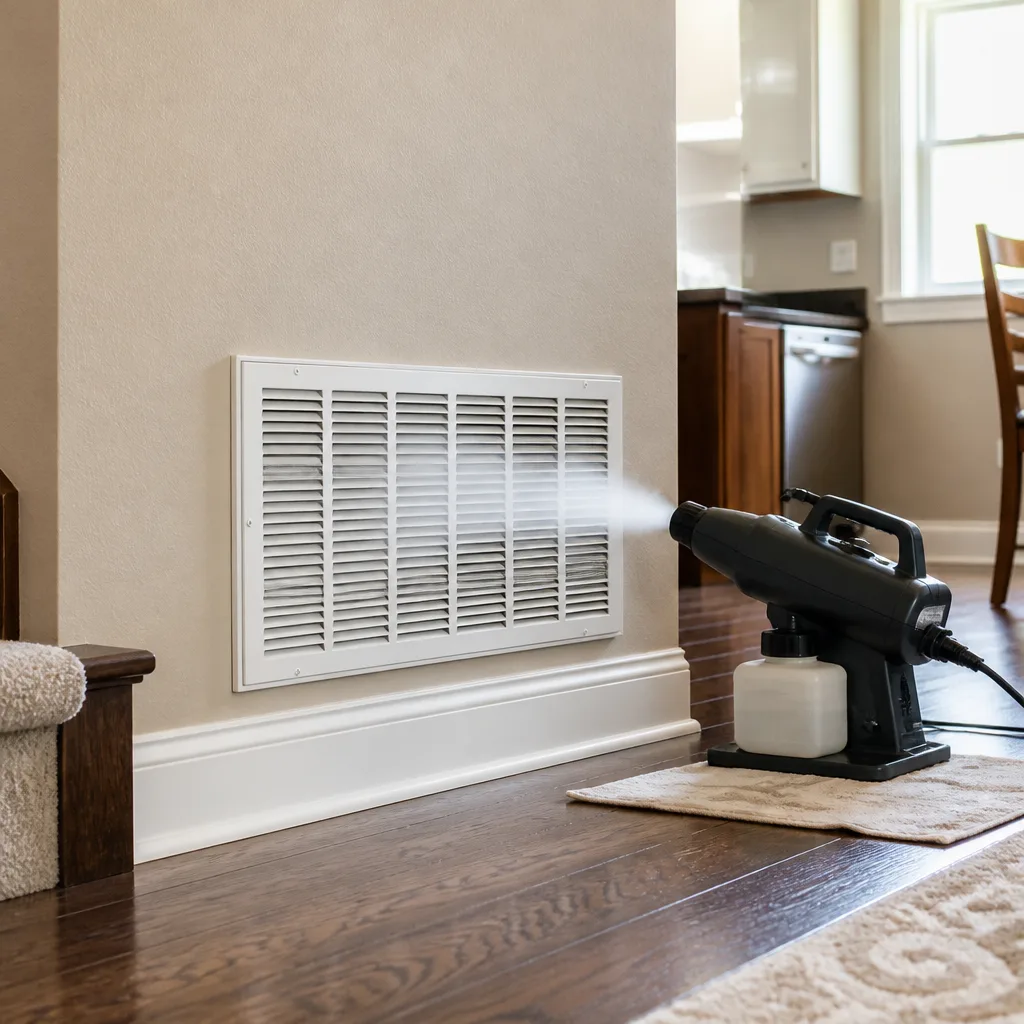 Sanitizing & deodorizing
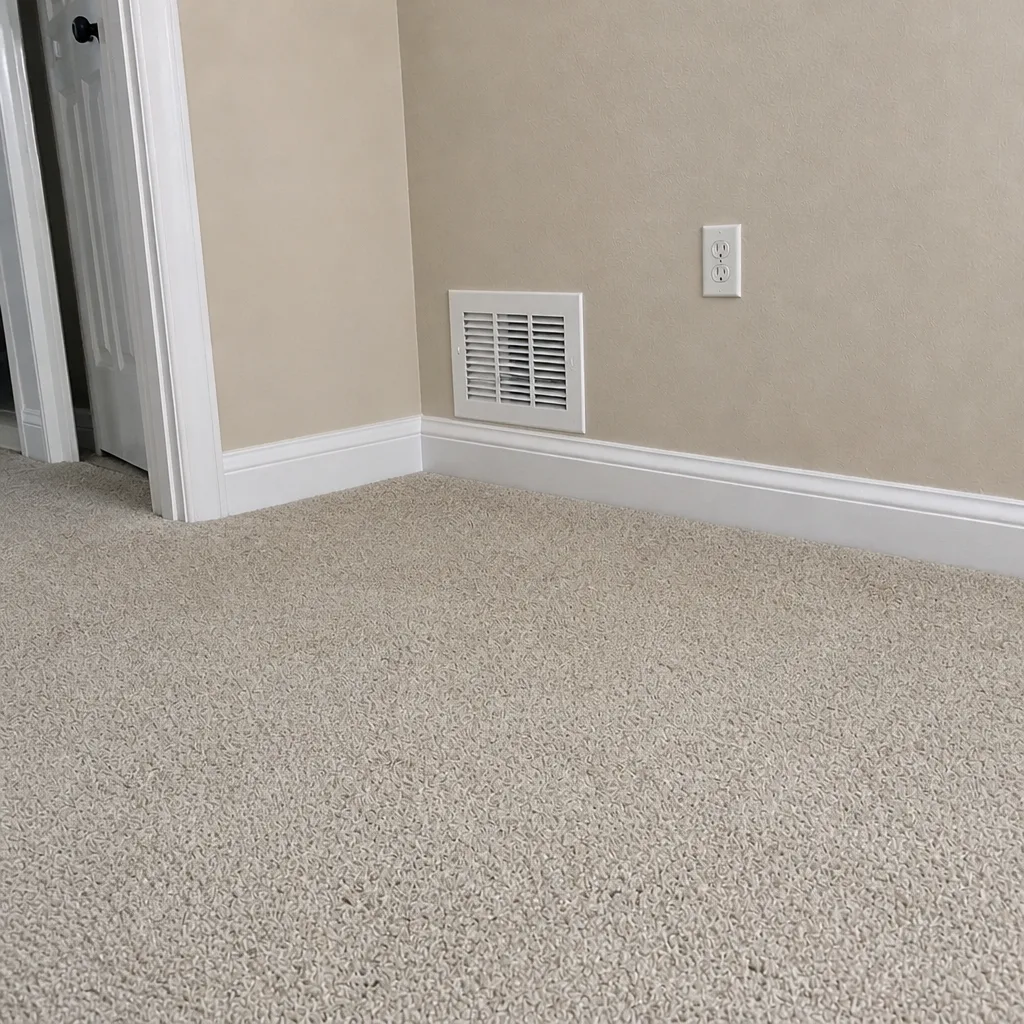
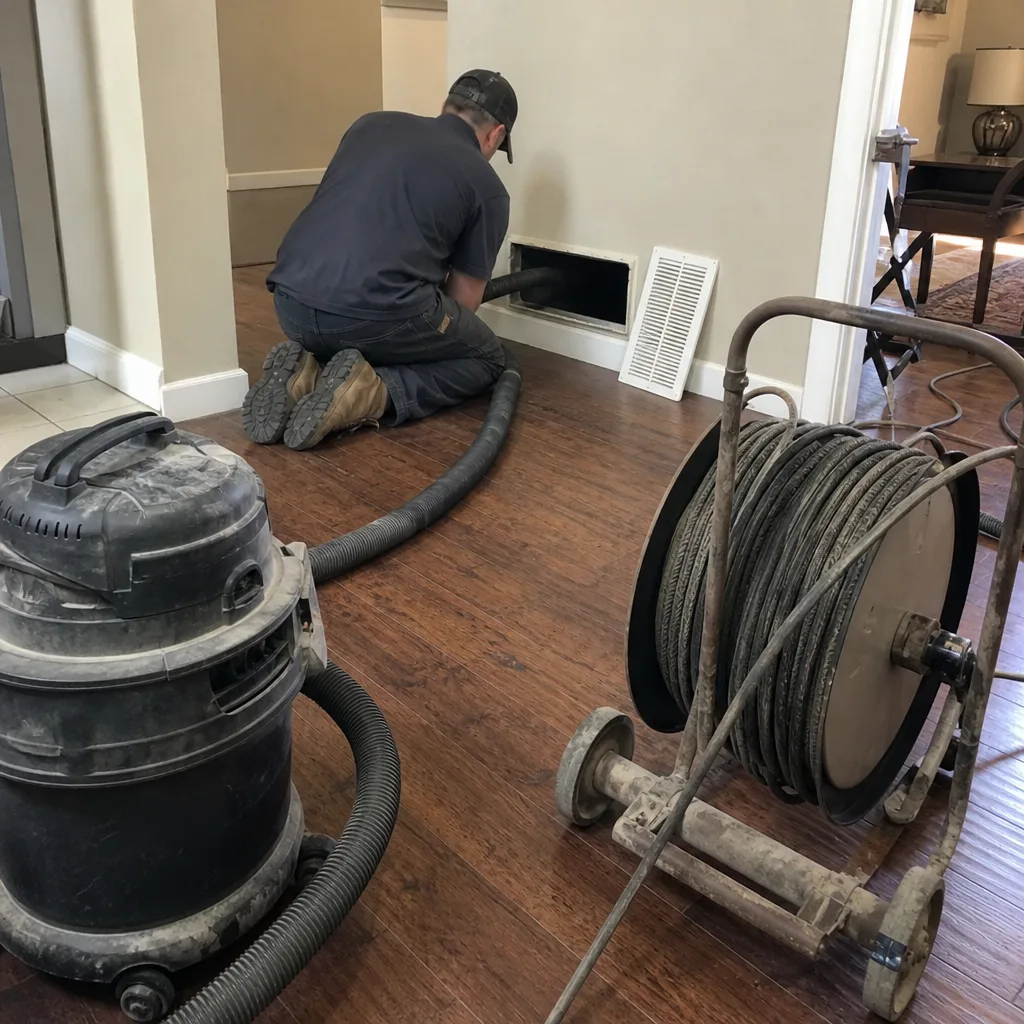
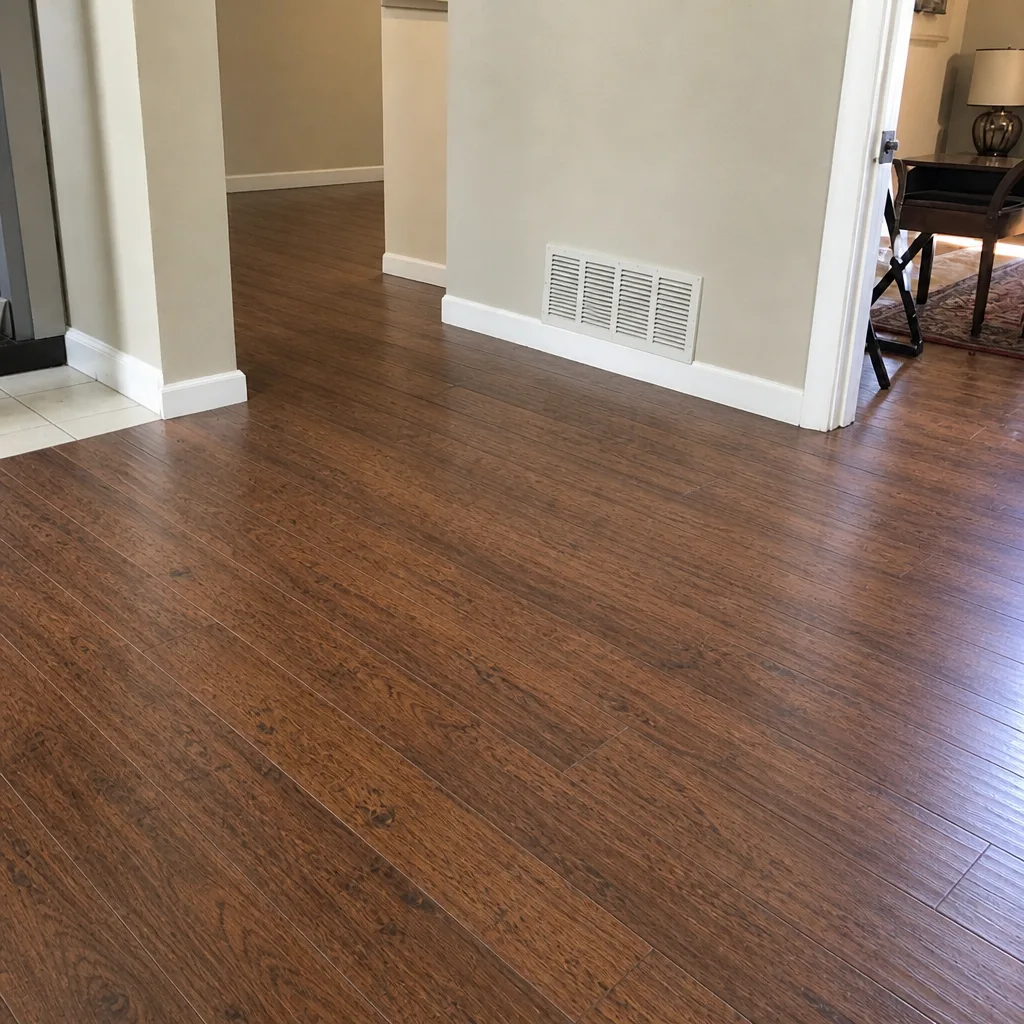
Whole-system duct and dryer vent check with before-and-after photos - you see exactly what came out of your vents
That "$99 whole-house special" is a bait ad - the real number appears once they are in your hallway, or the "clean" is a shop-vac at the register. We photograph the inside of your ducts before and after instead.
Air Duct Cleaning Emergency Preparedness Guide for Park Hill Homes
After the Marshall Fire in 2021, indoor air quality testing in homes across the Denver metro found smoke particulate embedded in ductwork up to 15 miles from the burn zone, including neighborhoods with no visible exterior smoke damage. That detail tends to surprise people. Most Park Hill homeowners assume a duct system stays clean as long as the filters get changed and nothing dramatic has happened lately. The reality is that smoke, water, construction dust, and power loss all leave a fingerprint inside the return side of a system long before anyone notices a smell or a symptom. This guide walks through what to do before, during, and after the events that compromise ductwork, and what to document so a home in Park Hill recovers properly.
Quick Answer
For a Park Hill home, duct emergency preparedness means three things: knowing when to shut the HVAC system down and switch to recirculation, knowing the inspection sequence to follow after smoke, water, or construction exposure, and documenting the condition of the system with photos and readings before anything gets cleaned or repaired. Duct cleaning is one recovery step in that sequence, not the whole plan.
Styles & brands we work with
- Whole-home duct cleaning
- Dryer vent cleaning
- Camera inspection
- Sanitizing & deodorizing
Key Takeaways
- Wildfire smoke, basement flooding, and renovation dust are the three events most likely to contaminate a Park Hill duct system, and each needs a different response.
- Switch the system to recirculation or turn it off entirely when outdoor air quality is poor, then inspect before returning to normal operation.
- Mold can begin colonizing wet duct liner and insulation within 24 to 48 hours of water intrusion, which makes drying the priority ahead of cleaning.
- Containment during renovation stops construction dust from entering the return side, and it’s cheaper than cleaning afterward.
- Photographs, air quality readings, and service records are the three things an insurer will ask for after a covered event in Denver County.
- A small emergency air quality kit in the closet saves a lot of scrambling when the power goes out or the sky turns orange.
Table of Contents
- The Post-Wildfire-Smoke Protocol
- Basement Flooding and Duct Contamination
- Post-Renovation Duct Emergencies
- Reading Air Quality Alerts and When to Shut the System Down
- What to Document for Insurance Claims
- Building an Emergency Air Quality Kit
- Returning to Normal HVAC Operation
- Common Mistakes to Avoid
The Post-Wildfire-Smoke Protocol
Smoke exposure is the most common large-scale event that affects duct systems in Park Hill, and it’s the one most often handled wrong. The instinct is to run the system to “clear the air,” which pulls more particulate into the return side and distributes it through every room. The correct sequence is quieter and more deliberate.
- Close the fresh-air intake. Most homes have an outdoor air damper tied to the return system. Closing it stops smoke from being drawn in from outside.
- Set the thermostat to recirculation or fan-only if you must run the system. Recirculation keeps interior air moving through the filter without pulling outdoor air inside.
- Seal windows and doors with painter’s tape along the gaps. It comes off cleanly and buys real protection during a heavy smoke event.
- Replace the filter at the end of the event, not during it. A filter loaded with smoke particulate stops filtering properly.
- Inspect the return side and duct interiors before returning to normal operation. A camera inspection shows whether particulate has settled inside the ducts.
- Clean the system only if the inspection shows it needs it. Not every smoke event requires full cleaning, but it does require looking.
We’ve seen systems in the western blocks of Park Hill pick up visible soot film in the return boots after a major smoke event, and we’ve seen systems a few streets away come through with nothing more than a dirty filter. Exposure depends on the direction of the wind, the tightness of the house, and how the system was run during the event. That’s why the inspection step matters more than the cleaning step.
The final piece of the protocol is sanitizing the cleaned interior with a product like Guardsman, which inhibits microbial growth inside ductwork after the debris is removed. Cleaning without addressing what’s left on the surfaces is only half the job.
Basement Flooding and Duct Contamination
Water intrusion is the duct emergency with the shortest clock. Park Hill’s housing stock includes a lot of ranch-style and mid-century homes with low-mounted return ducts running through basement ceilings, and those are exactly the runs that sit closest to a wet floor. A sump failure, a broken supply line, or a blocked window well can put water against the bottom of a return run for hours before anyone notices.
Mold colonization can begin on wet duct liner or interior insulation within 24 to 48 hours, which makes drying a higher priority than cleaning. The order of operations matters:
- Stop the water source and document the water line with a photo before any drying starts.
- Turn off the HVAC system. Running air through a wet duct spreads spores into every room it serves.
- Dry the duct interior with an air mover or a dehumidifier positioned at the register. Until it’s dry, cleaning hasn’t solved anything.
- Inspect for liner damage. Fiberglass duct board that has soaked through often needs replacement, not cleaning.
- Clean and sanitize once the ducts are dry, and photograph the interior afterward.
In basements that have flooded before, we look at the seams and the insulation first. Water wicks into duct board along the seams and stays there even when the duct interior feels dry to the touch. Our own technicians use camera inspection on the returns before calling a duct dry and ready to run again.
If the flooding came within reach of the furnace or air handler, get an HVAC technician to inspect the unit before it’s powered back on. Water in the blower compartment is a separate problem from water in the ducts, and both need to be addressed before the system runs.
Post-Renovation Duct Emergencies
Of all the ways a duct system gets contaminated, renovation is the fastest and most preventable. Drywall dust, concrete cutting, and insulation fibers are fine enough to pass through most standard filters and aggressive enough to coat the return side of a system within a single week of heavy work.
The most effective containment step happens before the first tool comes out:
- Seal every supply and return register in the work zone with poly and painter’s tape before demolition.
- Set up negative air pressure in the work area with a machine like Abatement Technologies equipment, which pulls air out of the workspace and filters it rather than letting it migrate through the house.
- Change filters the day the work ends. Waiting a week means a filter loaded with dust is recirculating everything it caught.
- Inspect the return side immediately after to catch settled dust before it can accumulate at the boots.
- Clean the ducts if the inspection shows migration. Drywall dust is alkaline and can corrode blower components over time if left in place.
We hear from Park Hill homeowners after kitchen and basement renovations that the house has a permanent drywall smell. That smell is the duct system. Once fine construction dust settles onto the duct interior, a standard filter won’t move it. Duct cleaning after a major renovation is a reasonable recovery step, but preventing the dust from entering the return side is the cheaper one.
Reading Air Quality Alerts and When to Shut the System Down
Air quality alerts in Park Hill generally come from wildfire smoke and winter inversion events. The practical rule for a homeowner: once the Air Quality Index crosses into the unhealthy category, stop pulling outdoor air into the house. Close the fresh-air intake, set the thermostat to recirculate, and keep windows shut until the alert lifts.
A few details that matter more than they seem to:
- Don’t run exhaust fans during a smoke event. A kitchen or bath fan pulling air out of the house pulls replacement air in from every gap, which means outdoor air into the interior.
- Run a portable HEPA unit in the rooms you spend the most time in. It filters the air in that room and stays out of the duct system’s way.
- Recheck the filter mid-event. A loaded filter is the weak link in the whole system, and it’s cheap to replace.
- Don’t assume the smell means the ducts are contaminated. Sometimes the smell is on the surfaces, sometimes it’s in the ducts. Only a camera inspection tells the difference.
Winter inversions along the Front Range bring the same treatment. The particulates are different, but the response is the same: shut the fresh-air side, filter what you can, and hold off on a full air duct cleaning until the event passes and the system can be inspected properly. Cleaning during an active smoke event just means the system will need another cleaning afterward.
What to Document for Insurance Claims
Duct contamination claims after a covered event in Denver County succeed or fail on documentation. Insurers see a lot of duct cleaning invoices; what they need is evidence that the system was clean before the event and compromised afterward.
Document the following:
- Photos of the water line, soot staining, and any visible contamination at registers, boots, and the air handler. Take them before cleanup begins.
- Air quality readings from a consumer-grade monitor or a licensed inspection, with timestamps.
- Service records showing when the system was last cleaned and what was done. A cleaning receipt from a prior year is the strongest evidence that the system was clean before the event.
- The inspection report from any professional who looked at the system after the event, including photos of the duct interior.
- Filter photos at the time of replacement. A clogged filter with visible contamination tells part of the story.
One detail that’s easy to miss: keep the receipts for any interim equipment purchased as part of the response, from air movers to replacement filters. Insurers generally treat those as part of the claim if the event itself is covered.
If a professional cleaning has been performed, the before-and-after photo record that a specialist provides is worth requesting as part of the claim documentation. We provide those photos as a standard part of the job, because they do double duty as proof of work and as evidence for the homeowner.
Building an Emergency Air Quality Kit
A small kit in a basement closet takes the panic out of the first hour of an event. For a typical Park Hill home, the essentials fit into a single plastic storage bin.
- A portable HEPA air purifier sized for the room where the family sleeps. The manufacturer’s stated square footage on the box is a good starting point; undersizing is the common mistake.
- A spare stock of filters that matches the HVAC unit. Three or four in the closet means a filter change isn’t a trip to the hardware store in a smoke event.
- Painter’s tape and a roll of poly sheeting for sealing windows and registers during smoke events or mid-renovation.
- A consumer air quality monitor that reads at least PM2.5. It tells you when the air inside has cleared, not just outside.
- A flashlight and a camera for documenting conditions before anything moves.
- A note in the bin with the phone number for the duct specialist. The first call after an event should go to someone who can inspect, not to whoever answers first.
The call-or-handle-it question is straightforward. Interim steps, sealing, filtering, shutting the fresh-air intake, are all things a capable homeowner can do in the first hours. What needs a technician is inspection of the duct interior, any cleaning after an event, and anything involving water in contact with the system. The HVAC cleaning side of the system has components a homeowner shouldn’t open.
Returning to Normal HVAC Operation
The last stage of recovery is the one most likely to be skipped. After an event, the system should be returned to normal operation deliberately, not just flipped back on the moment the sky clears.
- Replace the filter with a fresh one before turning the fan back on.
- Open the fresh-air intake and confirm the damper moves freely.
- Run the fan for an hour on low and check for unusual odor or noise at the registers.
- Inspect the returns for dust accumulation at the boots. Any accumulation after an event is a signal the interior needs a look.
- Confirm airflow at each register is roughly what it was before the event. A change in airflow suggests a seam has opened or a run has come loose.
That last point is worth a pause. Ductwork in older Park Hill homes is often held together with tape that has aged and hardened, and the pressure changes from a shutdown and restart can open a leak that wasn’t there before. Duct repair and sealing is part of what we do as a first-party service, not something we hand off to another company, because a leak that opens up after an event is exactly the kind of thing that needs to be found and fixed in the same visit as the inspection.
For systems that are due for a filtration upgrade, this is the window to look at products like Honeywell or Aprilaire filters that raise the MERV rating through the filter cabinet or add whole-home media filtration. Upgrading during recovery, rather than months later, means the system is set up for the next event by the time it comes.
If a dryer vent is part of the same recovery, add it to the same visit. Post-event dryer vent cleaning catches lint that’s been loosened by the pressure changes and heat exposure, and it’s one of the leading causes of residential fires that gets overlooked when the focus is on the supply side of the system.
Common Mistakes to Avoid
- Running the system during a smoke event to “clear the air.” This pulls more particulate into the return side. Recirculation or shutdown is the correct response.
- Cleaning wet ducts. Cleaning before the duct interior is dry just redistributes mold. Dry first, then clean.
- Skipping the inspection after an event. Not every event contaminates the ducts, and guessing costs either unnecessary cleaning or missed contamination. A camera inspection settles it.
- Ignoring the returns during a renovation. Register covers and tape before demolition are cheaper than cleaning after, and drywall dust in the return side is a full-clean recovery, not a filter change.
- Waiting to document. Photos after the cleanup has started don’t help an insurance claim. The camera comes out before the mop.
- Assuming a filter change is enough. A filter is a barrier; it doesn’t clean duct interiors. If smoke or dust reached the ducts, the filter didn’t stop it.
- Opening the air handler without equipment. Homeowners can check registers and filters. The air handler, blower compartment, and coil need a specialist with containment equipment, because opening the unit without containment spreads whatever is inside it.
See the difference
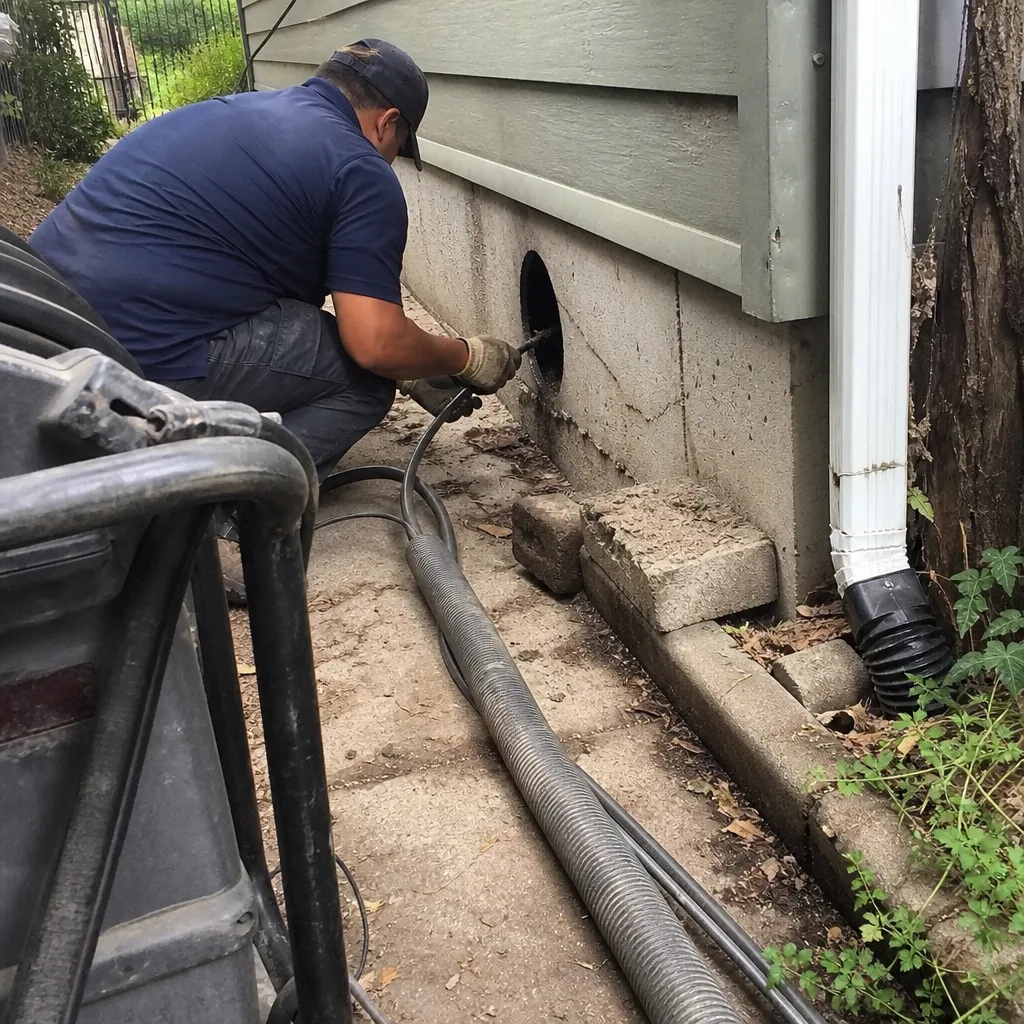 Before
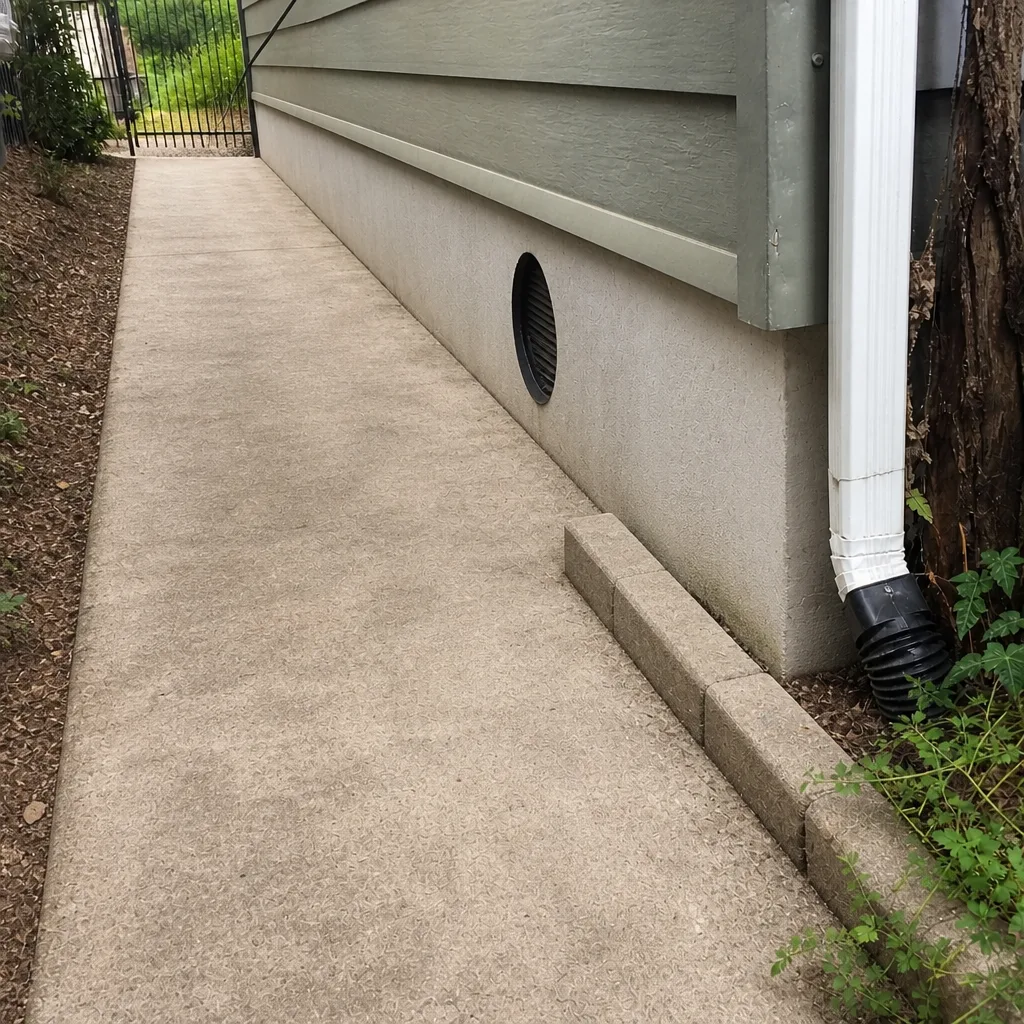 After
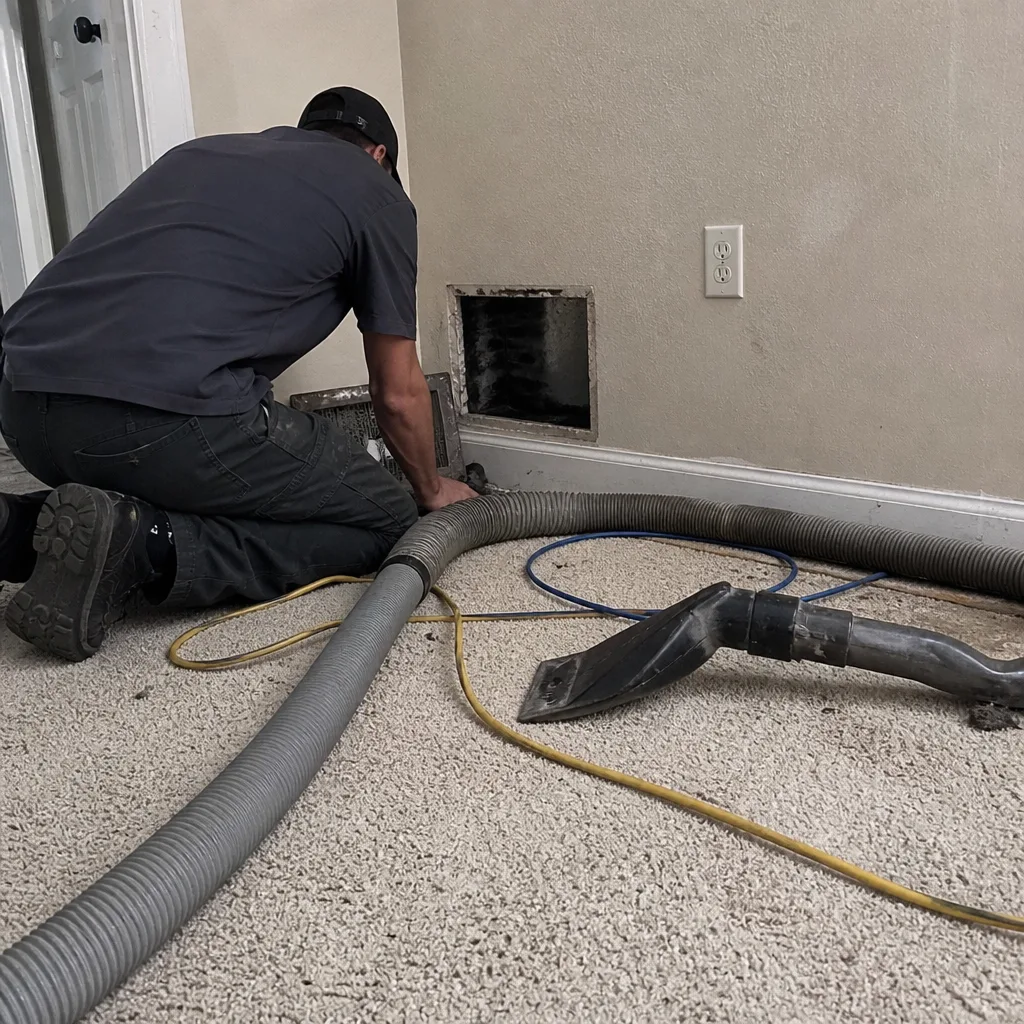 Before
 After
 Before
 After
When to Call a Professional
Some emergencies need a call in the first hour. If water has contacted a supply or return duct, if the ducts are visibly contaminated after a smoke event, or if a renovation sent fine dust through the house, get an inspection scheduled before running the system further. The same goes for a dryer vent that’s been through a fire event, or for any system that smells musty weeks after a flood was supposedly dried out. Those are not improved by waiting, and they are not improved by a shop vacuum or a consumer duct brush kit.
Air Duct Cleaning Park Hill offers free estimates in Park Hill. Call (866) 964-3950. We answer 24/7. Fast dispatch from 7am to 7pm, Sunday through Friday. Our technicians have up to 8 years of experience, and we use professional-grade equipment, including Rotobrush and Nikro systems and Abatement Technologies negative-air containment on every job, so the debris comes out of the system instead of into the room. One flat price is agreed before any work starts. You’ll see before-and-after photos of your own ducts at the end.
Frequently Asked Questions
Close the fresh-air intake, shut the windows, and switch the HVAC system to recirculation or turn it off. Replace the filter once the smoke event has passed, and have the duct interior inspected before returning to normal operation. Call (866) 964-3950 for an exact quote on inspection and cleaning – estimates are free.
Mold can begin colonizing wet duct liner and insulation within 24 to 48 hours. The priority is drying the duct interior before anything else, and an inspection should be scheduled within the first day or two. Call (866) 964-3950 to book an inspection – estimates are free.
Yes. Drywall dust and insulation fibers are fine enough to pass through standard filters and travel through the entire return side of a system within days of heavy work. Sealing registers and setting up negative air containment before demolition prevents most of it. Call (866) 964-3950 for an exact quote on a post-renovation cleanup – estimates are free.
Low quotes usually reflect a shorter, surface-level visit without camera inspection, containment, or a full cleaning of the supply and return sides. Whole-system pricing is what you want to compare, not the teaser number. We give one flat price per system before work starts. Call (866) 964-3950 for an exact quote – estimates are free.
Ask for before-and-after photos of the duct interior, taken as part of the job, not after the crew has packed up. A specialist who runs camera inspection will have the images already. Call (866) 964-3950 to schedule – estimates are free.
Most homes don’t need cleaning on a fixed schedule; they need it after a specific event – smoke, water, or renovation – or when inspection shows accumulated debris. Documented cleaning records help if a claim ever comes up. Call (866) 964-3950 for an exact quote on inspection – estimates are free.
Once the Air Quality Index crosses into the unhealthy category, close the fresh-air intake and switch to recirculation, or turn the system off. Don’t run exhaust fans during an event; they pull outdoor air inside. Call (866) 964-3950 if you want an inspection after a heavy event – estimates are free.
The Bottom Line
Duct emergencies in Park Hill follow a pattern: smoke events, water intrusion, and renovation dust are the three that matter most, and each one has a protocol. Close the fresh-air side during smoke and inspect before returning to normal. Dry wet ducts before cleaning them, because mold starts within a day. Contain construction dust before the first cut, not after. Document everything with photos and readings for a claim. Keep a small air quality kit in the closet so the first hour of an event isn’t spent scrambling. A duct system that’s been through a real event deserves the same professional-grade treatment a commercial contractor would specify. When you’re ready for that inspection or cleaning, call Air Duct Cleaning Park Hill at (866) 964-3950. Estimates are free, and the price is set per job by a written estimate before any work begins. Start at Air Duct Cleaning Park Hill to see the full service lineup, and know that one specialist can handle the cleaning, the sealing, and the sanitizing without subcontracting any of it.
Written by the team at Air Duct Cleaning Park Hill.