
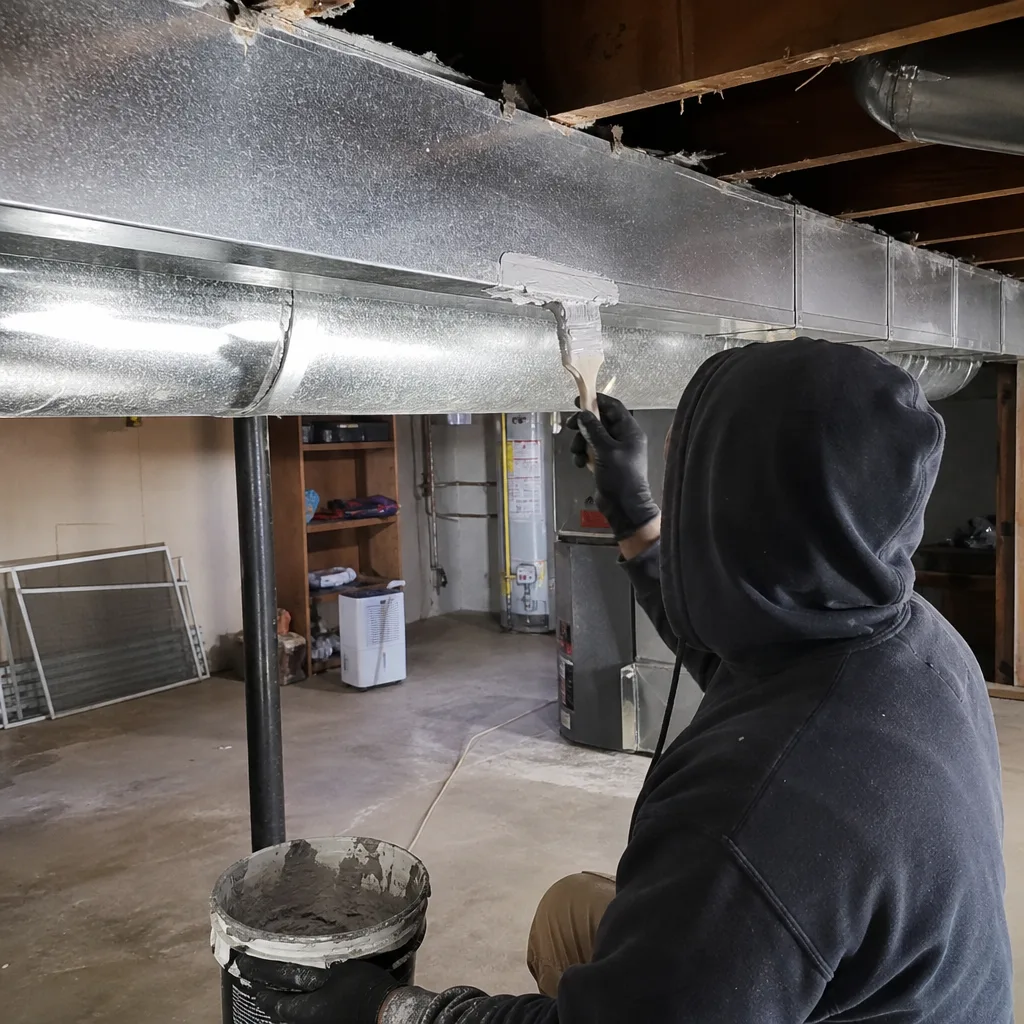
Last updated November 23, 2026
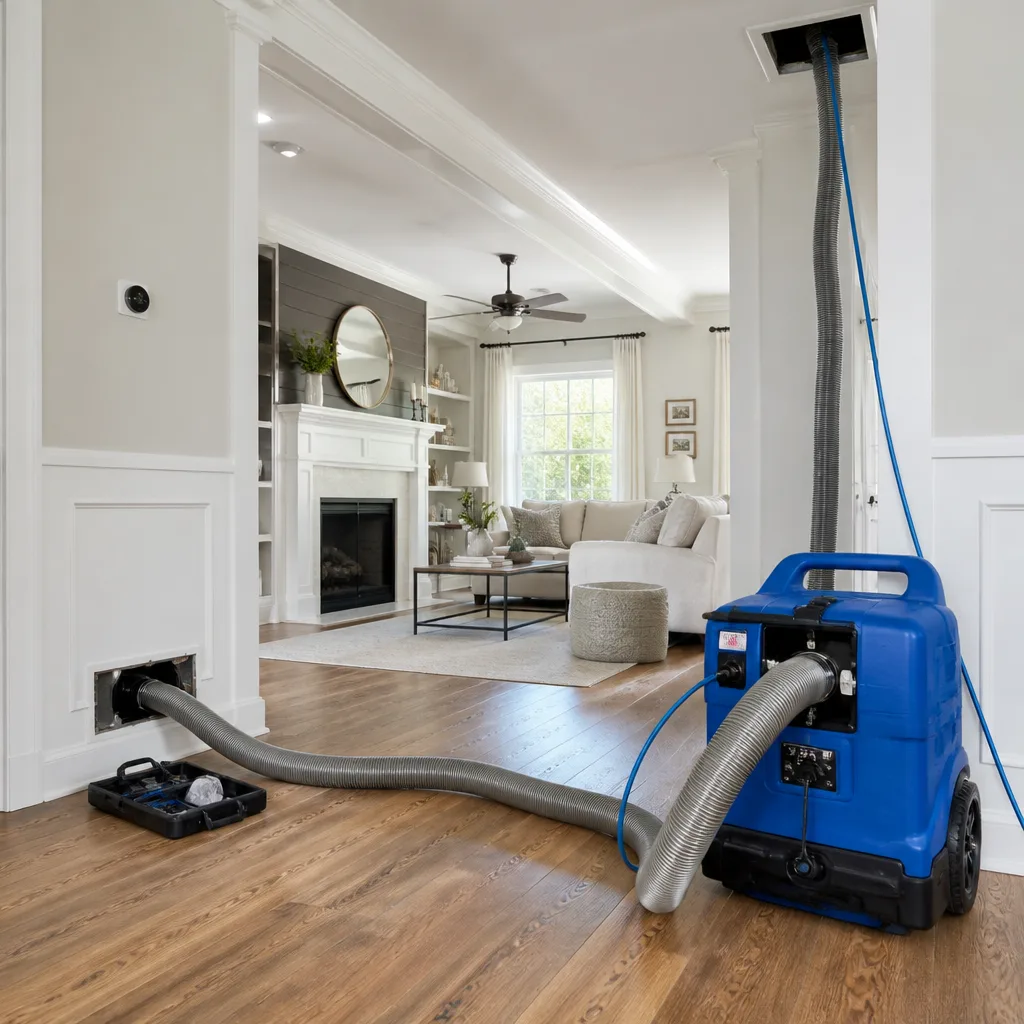 Whole-home duct cleaning
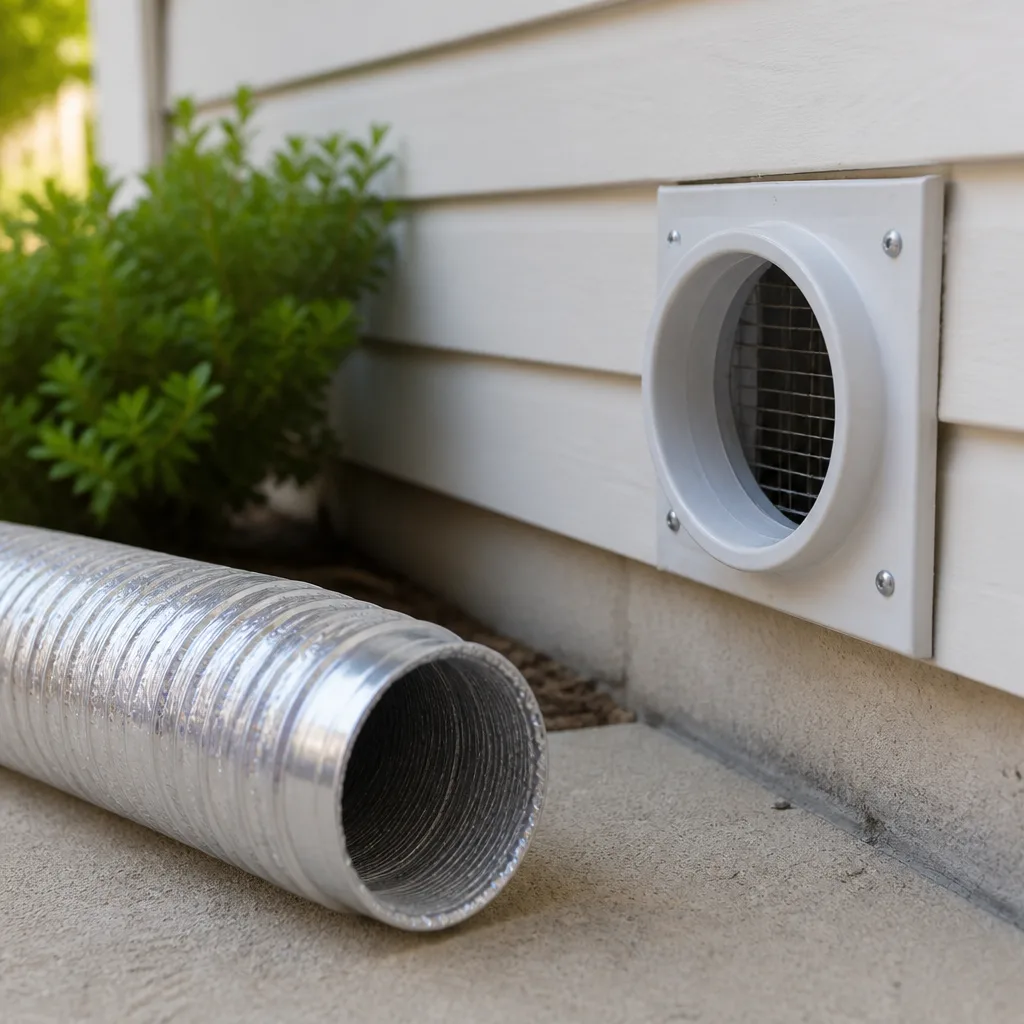 Dryer vent cleaning
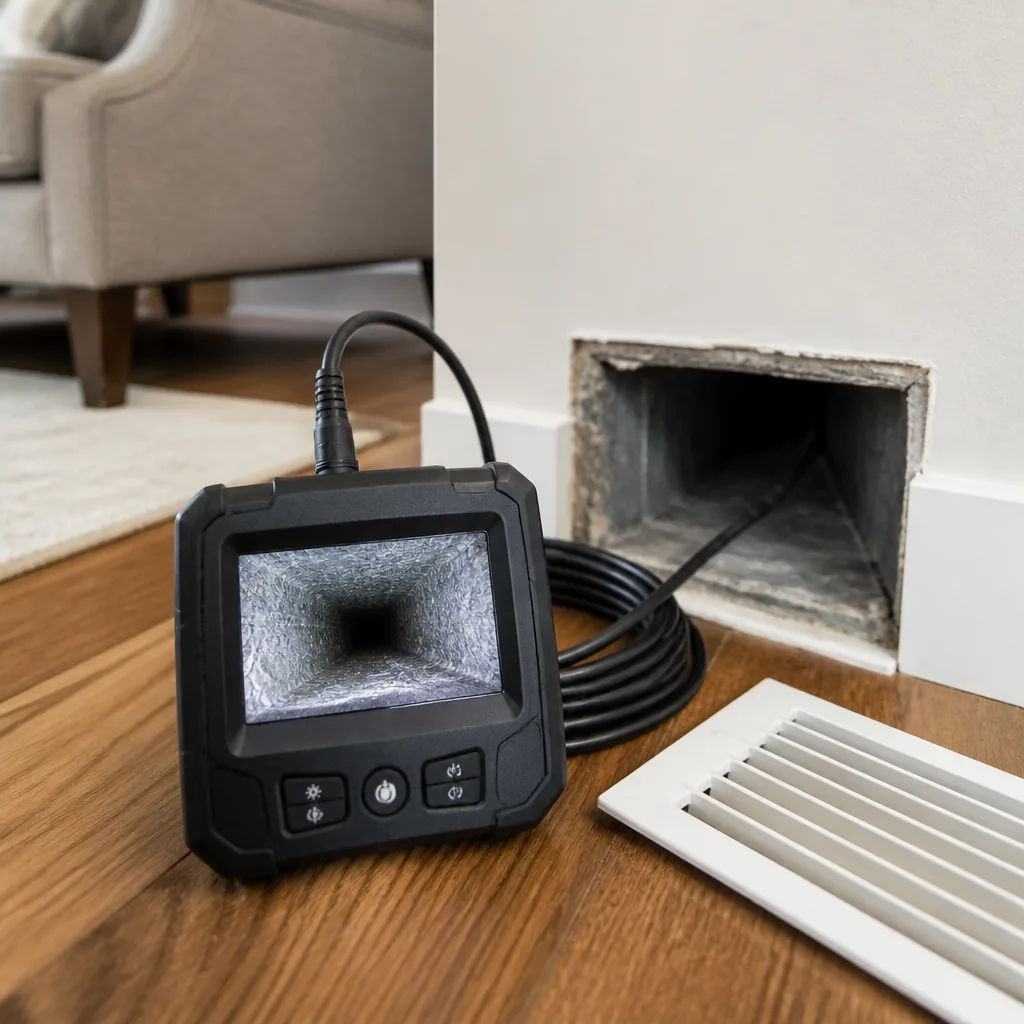 Camera inspection
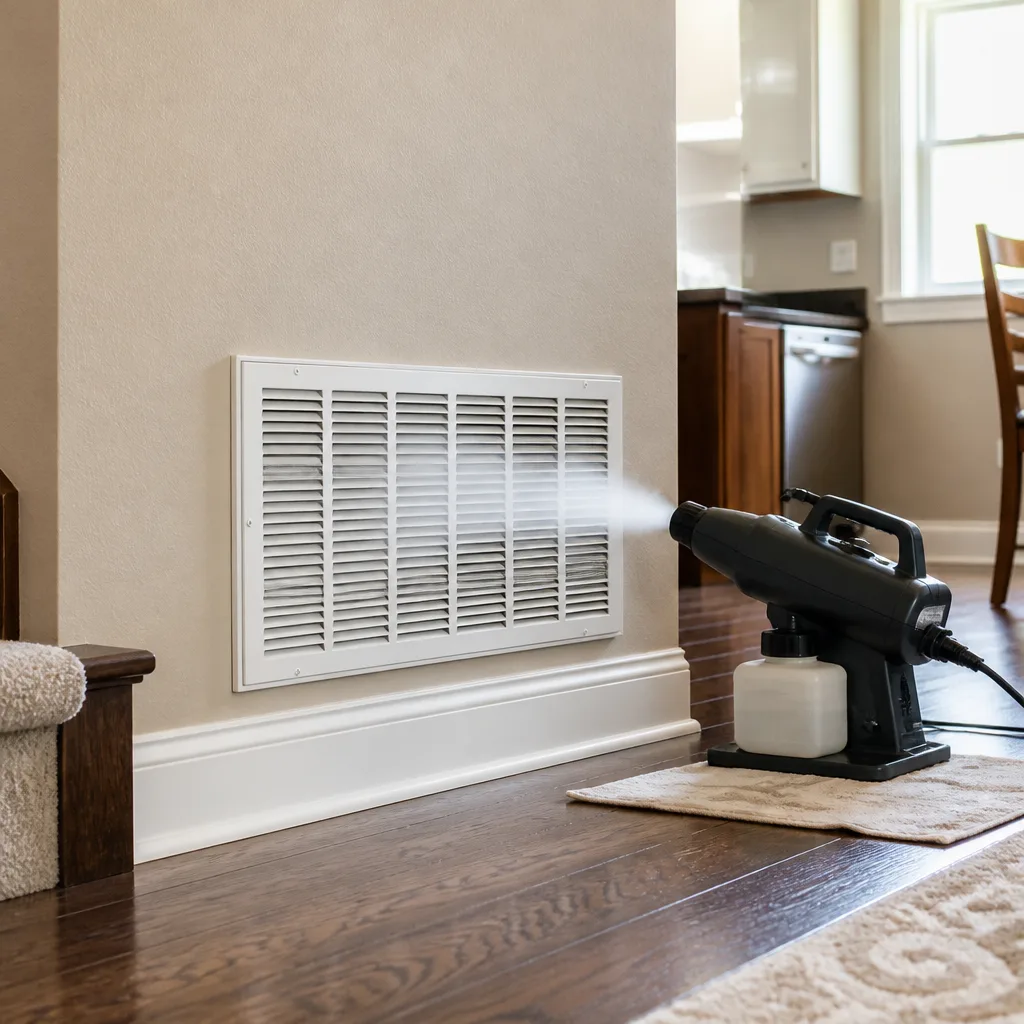 Sanitizing & deodorizing
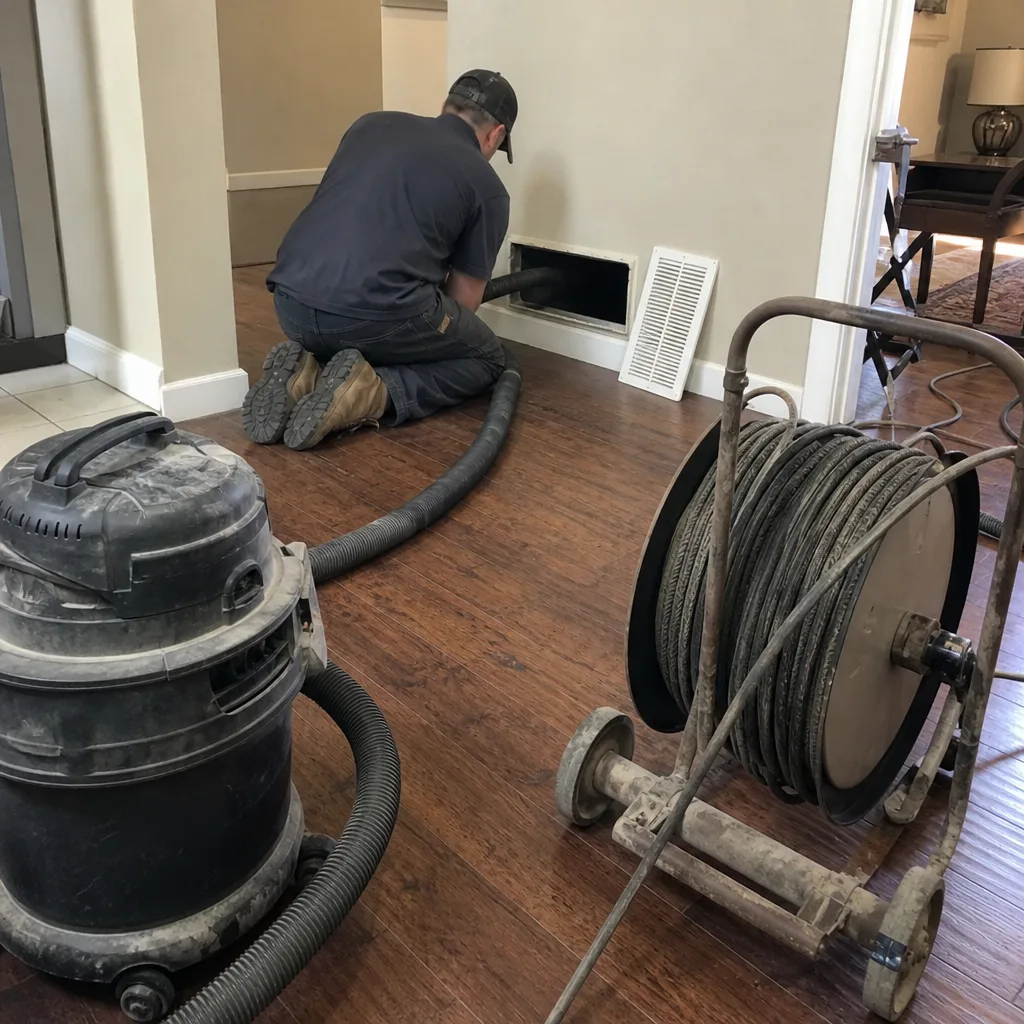
Whole-system duct and dryer vent check with before-and-after photos - you see exactly what came out of your vents
That "$99 whole-house special" is a bait ad - the real number appears once they are in your hallway, or the "clean" is a shop-vac at the register. We photograph the inside of your ducts before and after instead.
Air Duct Cleaning Cost Breakdown: The Park Hill Homeowner’s Reference for 2026
A $99 duct cleaning quote and a $650 quote for the same house are not the same job with a different markup. They describe two different procedures: one runs a shop vacuum and a brush through the registers you can see, the other seals the system under negative pressure, works the full trunk-and-branch layout, cleans the air handler and coil, and proves the result with a camera pass at the end. The difference between them shows up in what comes out of the returns, not in the invoice. In this guide we break down what each scope of work actually includes, what it should cost in Park Hill in 2026, why square footage is a bad way to estimate a duct job, and how to read a written quote so nothing important is left off. Park Hill’s older housing stock adds its own wrinkles, and we cover those too.
Quick Answer
Air duct cleaning in Park Hill in 2026 typically runs $350 to $700 for a full negative-pressure system clean that includes the air handler and coil, while basic register-to-register work with consumer equipment sits at the low end ($150-$300) and delivers far less. Add $75-$200 for sanitizing treatment and $100-$250 for a dryer vent line, depending on length and routing. The written estimate sets the final price.
Styles & brands we work with
- Whole-home duct cleaning
- Dryer vent cleaning
- Camera inspection
- Sanitizing & deodorizing
Table of Contents
- Why Duct Cleaning Quotes in Park Hill Vary by Four Times or More
- Cost by Scope of Work: What Each Price Tier Actually Buys
- Why Square Footage Is a Poor Proxy for Cost in Park Hill
- Legitimate Add-Ons vs. Upsells Without Diagnostic Justification
- How Park Hill’s Older Homes Change the Labor Cost
- What a Written Quote Should Itemize Before You Sign
- Equipment: What Professional-Grade Actually Means
- Red Flags in a Duct Cleaning Pitch
Why Duct Cleaning Quotes in Park Hill Vary by Four Times or More
A homeowner in Park Hill comparing three or four quotes is usually comparing three or four different products. That’s the whole reason the spread looks like a pricing problem when it’s actually a scope problem. One company quotes a register-vacuum pass on the visible runs. Another quotes the same plus the air handler and coil. A third quotes the entire duct system under negative-air containment with a post-clean camera inspection. Those three things cannot cost the same, and they don’t produce the same result.
Here’s what’s behind the price difference in this market:
- Equipment class. A shop vacuum and a set of brushes is a few hundred dollars of gear. A Rotobrush or Nikro duct-cleaning platform is a purpose-built commercial machine, and an Abatement Technologies negative-air unit is a separate containment system on top of that. Companies running that equipment price for it.
- Scope. Visible registers only, or every branch line, the trunk, the main return, the air handler, and the evaporator coil. The second job takes several times longer and cleans surfaces the first never touches.
- Containment. Cleaning without negative pressure can knock debris loose and push some of it back through the living space. A contained job captures it at the source, so the crew isn’t redistributing what it just dislodged.
- Verification. A camera pass before and after is labor. Companies that include it price for it. Companies that don’t usually skip it.
In our experience, the useful question isn’t “why is this quote higher?” It’s “what does this quote include that the cheaper one doesn’t?” If the answer is nothing, the two quotes aren’t comparable and the high one probably shouldn’t be trusted either. Our air duct cleaning page lays out what a full-scope job covers line by line. We name Rotobrush, Nikro and Abatement Technologies here because those are the tools that separate a real system clean from a surface pass, and we’d rather you know the names than take our word for it.
Cost by Scope of Work: What Each Price Tier Actually Buys
For 2026 in Park Hill, we see three fairly distinct tiers. Treat the ranges below as typical estimates for the work described, not as a coupon. The written estimate for your specific system sets the final number.
- Tier 1 – Register pass (roughly $150-$300). A technician works a vacuum and brush through the registers and short takeoffs. Visible dust and debris come out. Trunk lines, the main return, the air handler and the coil are usually left alone. This is the tier that produces the $99 headline.
- Tier 2 – Full negative-pressure system clean (roughly $350-$700). Every branch line, the trunk, returns, the air handler cabinet and the accessible coil are cleaned under negative-air containment with a professional duct machine. A camera inspection before and after shows what came out. On Park Hill houses with a basement furnace or a utility-closet air handler, this is the tier that matches what most homeowners actually picture when they book duct cleaning.
- Tier 3 – Clean plus verified remediation (roughly $600-$1,200 and up). Everything in tier 2, plus sanitizing treatment, plus any duct repair or sealing that the inspection reveals, plus filtration or humidity upgrades. This is where genuinely dirty systems, post-renovation jobs and homes with unresolved musty odors land.
Two things worth flagging. First, the gap between tier 1 and tier 2 is where most of the industry’s bait-and-switch complaints are born. You’re quoted tier 1 and shown a tier 2 problem on arrival, then pressed to upgrade on the spot. Second, tier 3 isn’t automatically an upsell. A system with a leaking return in the basement, a failing joint at the air handler, or mold odor near a register needs sealing and treatment, not just a clean. The line between “needed” and “sold” is a diagnostic one, and we get into it below.
If you also need dryer vent cleaning while the crew is set up, that’s a separate line typically in the $100-$250 range depending on run length, roof or wall termination, and how much lint has packed into the transition duct.
Why Square Footage Is a Poor Proxy for Cost in Park Hill
A 2,200-square-foot Park Hill bungalow and a 2,200-square-foot newer build are not remotely the same duct cleaning job. Square footage is the number homeowners reach for because it’s the number they know, but it barely predicts labor. What actually drives cost:
- Number of runs and returns. A finished basement, an attic conversion or a rear addition adds branch lines. Every line needs to be opened, worked and inspected.
- System age and layout. Older ductwork in this neighborhood is often a mix of original trunk and later tie-ins. Transitions between them are where leaks and debris collect.
- Accessibility. Where the furnace and air handler sit, whether the attic is walkable or crawl-only, how tight the turns in the basement duct are. Access is the biggest variable we see on Park Hill jobs.
- Contamination level. A system that hosted a renovation, a long vacancy or an animal tenant takes longer than one that’s been maintained.
- Duct condition. Disconnected joints, crushed flex runs, and boxed-in chases all add time.
To get an accurate estimate before a technician arrives, gather four things: the model of your furnace or air handler, roughly how many supply registers and returns you can count, where the mechanical equipment sits, and any known history (renovation, water intrusion, pest issue). A phone estimate with those details is honest. A phone estimate with only square footage is a guess, and guessing is how a quote turns into a different number on site. If you’re not sure what to count, check the rooms with the most registers first: kitchens, living rooms and primary bedrooms usually reveal the pattern. A rough sketch on a notepad beats nothing.
Legitimate Add-Ons vs. Upsells Without Diagnostic Justification
Some add-ons are real work that changes outcomes. Some are sold as a default line item on every job regardless of what the system needs. The distinction matters because the add-on stack is where a $400 cleaning can quietly become a $900 invoice.
Legitimate when supported by what the inspection finds:
- Sanitizing treatment. Applying a Guardsman sanitizing treatment after cleaning inhibits microbial growth in the just-cleaned ductwork. It’s defensible when the system shows organic growth, odor, or water history, and it should be applied as the final step, not sprayed into a dirty system and called done.
- Duct repair and sealing. Leaking joints, disconnected runs and crushed flex duct waste conditioned air and pull attic or crawlspace air into the supply stream. Sealing it is measurable work. Doing this in-house rather than referring it out is why we keep it on the menu.
- Filtration upgrades. Supplying and installing Honeywell or Aprilaire filtration and humidity products makes sense when the current filter is a low-MERV slab that isn’t catching what’s circulating. It’s a real home improvement, priced as one.
- Dryer vent cleaning. A separate system entirely, and one of the leading causes of residential fires. If the line hasn’t been cleaned in years, it deserves its own line item.
Frequently upsold without diagnostic justification:
- Encapsulation on ductwork that doesn’t need it. Coating the inside of a duct system is a remediation response, not a default. If the duct is clean and intact, coating it adds cost and cures a problem that isn’t there.
- Sealing the entire system as a package when only one joint is failing. Sealing should follow the inspection, not precede it.
- Whole-house air purifiers pushed at the first visit. Filtration upgrades are worth discussing, but a reasonable specialist explains what the current filter isn’t doing before selling a replacement.
- UV lights sold as a substitute for cleaning. A UV product doesn’t remove the debris that’s already in the ductwork. Cleaning comes first.
If a technician can’t show you the condition that justifies an add-on, either on a camera or with a spec number from your system, you’re within your rights to decline it and book the work separately after you have time to think. A specialist who knows the work is real won’t flinch at that. Our HVAC cleaning page explains how handler and coil service fits into the visit, and where it sits relative to the duct cleaning itself.
How Park Hill’s Older Homes Change the Labor Cost
Park Hill is not a neighborhood of uniform housing. The blocks closer to the park and along the older streets hold houses built decades ago, some with original ductwork, additions done in different eras, and mechanical systems retrofitted into spaces they weren’t designed for. That reality from a business located in Park Hill shows up directly on the invoice, and it’s the single biggest reason a Park Hill estimate can come in above what a homeowner expected from a national price chart.
Where the extra time goes:
- Limited attic access. Scuttle hatches, low clearances and crawl-only attic spaces mean the technician works slower and needs more repositioning. In some Park Hill houses, part of the supply run is boxed in a chase or furred ceiling with no straight access, which requires a plan rather than a straight brush pass.
- Non-standard duct dimensions. Older trunk and branch work was often fabricated on site. Round-to-rectangular transitions, odd takeoff angles and short return runs don’t fit standard equipment sizes cleanly, and that’s extra handling.
- Asbestos-adjacent materials. Homes of a certain age can have duct wrap, joint tape or boiler-era insulation that may contain asbestos. We don’t disturb suspect material. If we see it, we stop and advise you to have it assessed by a qualified abatement professional before any cleaning proceeds. That’s the correct answer even when it costs us the job, and it’s a real cost factor in Park Hill’s older housing stock.
- Mixed-era systems. When a rear addition was tied into the original trunk with flex duct while the main runs stayed rigid metal, the technician runs two different methods on one system.
- Basement mechanical rooms. Tight clearance around the furnace and water heater slows handler and coil access, which extends the job and the labor.
None of that is upselling; it’s time. The right response to a systemic access problem isn’t a bigger invoice on the day, it’s a scope conversation on the estimate. If the attic is a crawl, the quote should say so up front.
What a Written Quote Should Itemize Before You Sign
A written quote that reads “Duct cleaning – $X” tells you nothing you can compare. A quote you can act on itemizes the scope so you know, before work starts, exactly what’s covered and what isn’t. Here’s what to check for line by line:
- Which surfaces are being cleaned. Every supply run, every return, the trunk, the air handler cabinet, the accessible evaporator coil. If the coil isn’t listed, ask why.
- Equipment used. The named machine class matters. If a company can’t tell you what platform they’ll run and whether negative-air containment is included, the price is unverifiable.
- Verification method. A camera inspection before and after the clean, and whether you’ll see photos of your own ducts, not stock images.
- Add-ons priced separately. Sanitizing treatment, sealing, filtration, dryer vent. Each on its own line, each with a reason.
- A single flat price per system, agreed before the technician starts. No per-vent pricing, no “starting at,” no coupon that turns into a higher invoice on site.
- What triggers a change in scope. If the inspection reveals a disconnected run or suspect material, the quote should describe how that conversation is handled, not leave it to the day.
If any of those line items is missing from a quote you’ve received, ask before you sign. A company that can’t produce them is telling you something useful.
Equipment: What Professional-Grade Actually Means
Duct cleaning equipment isn’t a category where consumer tools scale up gracefully. A shop vacuum with a brush attachment is a shop vacuum with a brush attachment, however many hours it runs. Professional platforms like Rotobrush and Nikro are designed for the inside geometry of residential ductwork: agitation on the walls, air movement on the full diameter, and controls that let the technician work a run rather than a single spot. Commercial and industrial contractors specify these machines because the job they’re doing needs the coverage. Residential ductwork needs the same coverage, which is why we run the same class of equipment on Park Hill homes.
Containment is a separate system. A cleaning operation without negative pressure dislodges debris into the airstream, and some of it lands where it wasn’t before. An Abatement Technologies negative-air unit holds the system under suction while the duct machine works, capturing the debris at the source. That’s the difference between cleaning and redistributing. Any quote that doesn’t mention containment is a quote for the first thing, not the second.
Once the system is clean, filtration and humidity products extend the result. Honeywell and Aprilaire both make whole-home filtration and humidification hardware that we’re able to supply and install, and Guardsman sanitizing treatment is the final pass after cleaning when the inspection supports it. From cleaning to sealing to sanitizing, the point of naming the brands is that the products are not interchangeable with whatever’s on sale this month.
If you want to see how the full service line fits together, our Air Duct Cleaning Park Hill home page is the right place to start.
Red Flags in a Duct Cleaning Pitch
Most of the things that go wrong in this trade happen before a technician is even in the house. These are the signals that a quote isn’t going to match the work:
- A dollar figure quoted over the phone without asking about your system. Number of runs, equipment location and condition change the job. A number given before those questions is a number that will move.
- Per-vent pricing as the main unit. It rewards counting vents over cleaning the system, and it usually means the trunk and air handler aren’t in scope.
- A coupon price that requires an on-site “upgrade” to be performed. This is the pattern behind most bait-and-switch complaints.
- No mention of containment. If the crew plans to blow air through the system without negative pressure, they’re dislodging debris you’ll breathe.
- Offers to clean only the visible registers. The registers are the last foot of the system. The rest is where the debris lives.
- Pressure to sign a maintenance plan on the first visit. A well-scoped clean plus a stated interval for future cleaning is enough. Anything subscribed on the spot deserves 24 hours of thought.
- No camera, no photos. If you can’t see what came out, you can’t confirm the work happened.
None of these are negotiable. A specialist who runs the proper equipment and reads a camera feed has nothing to hide and no reason to rush a sign-off.
Common Mistakes to Avoid
- Comparing quotes on price alone. A $199 quote and a $600 quote in Park Hill are two different procedures. Read the scope before you rank the numbers.
- Using square footage as the estimate. It misses runs, returns, system age and accessibility, and it’s the main reason a phone estimate and an on-site number don’t match.
- Skipping the camera inspection. Without before-and-after camera coverage of your own ducts, there’s no way to know the work was done.
- Accepting sanitizing as a default line item. It’s legitimate when the inspection supports it, and it’s a spray-and-forget when it doesn’t.
- Buying encapsulation on an intact system. Coating a clean, sound duct system solves a problem you don’t have and costs more than the cleaning that would.
- Forgetting the dryer vent. It’s the one duct in the house where lint build-up is a fire hazard, and duct-only companies regularly leave it out of the quote.
- Booking a clean on a system with suspect wrap or tape. In Park Hill’s older homes, materials that may contain asbestos need assessment by a qualified abatement professional before any cleaning starts.
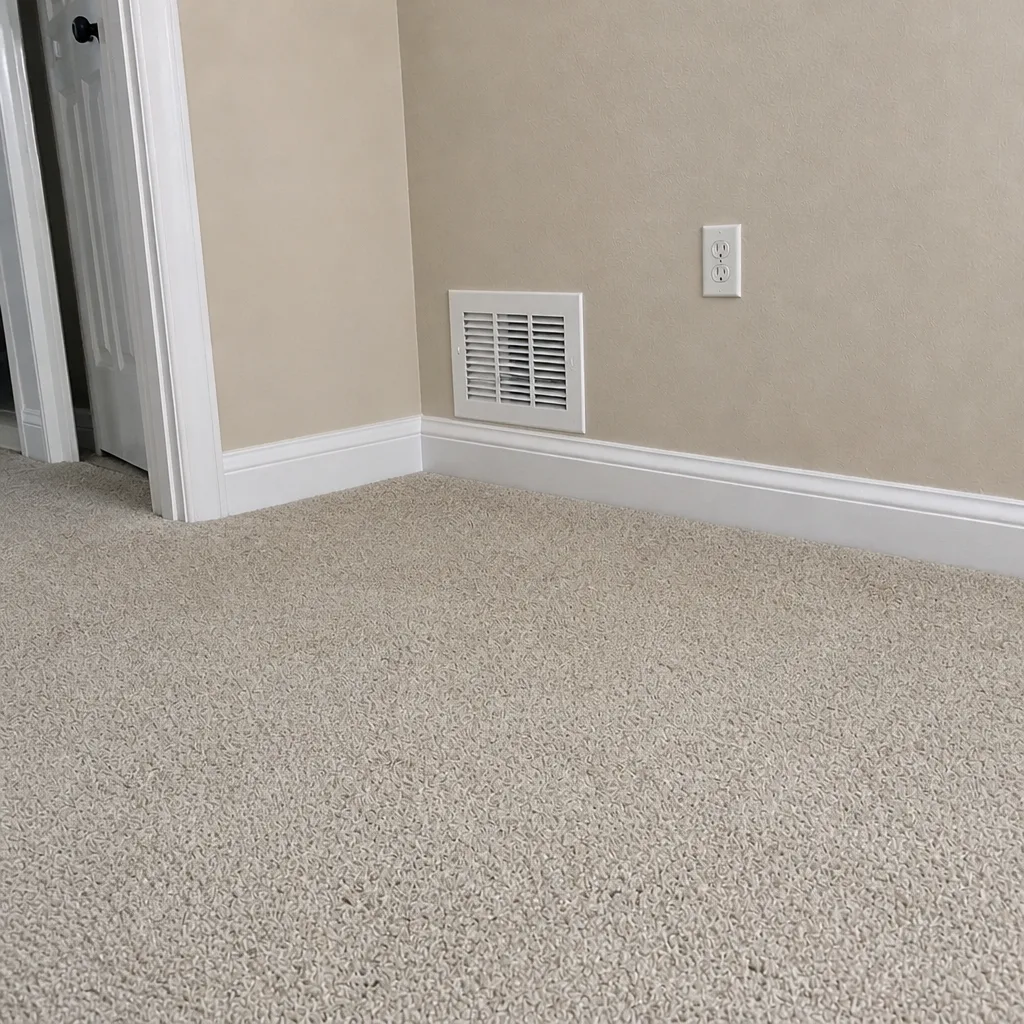
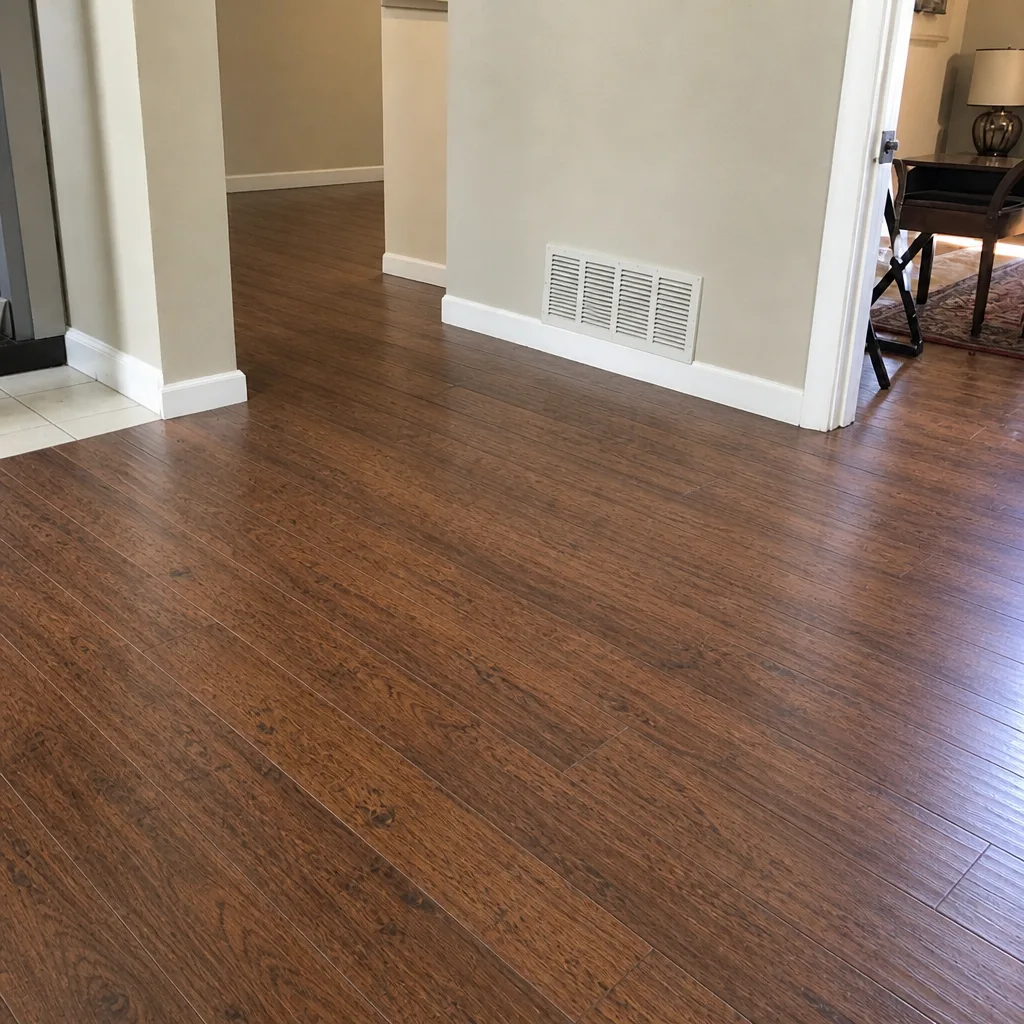
See the difference
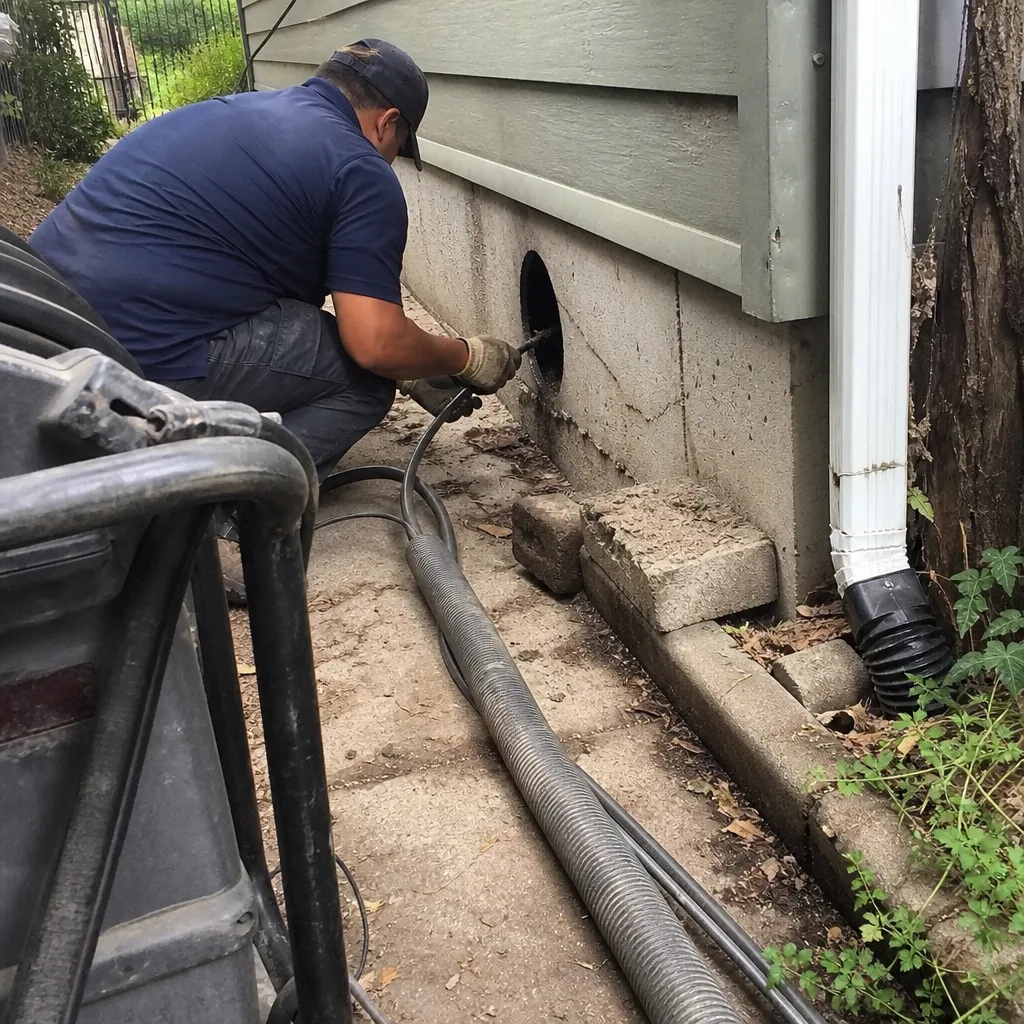 Before
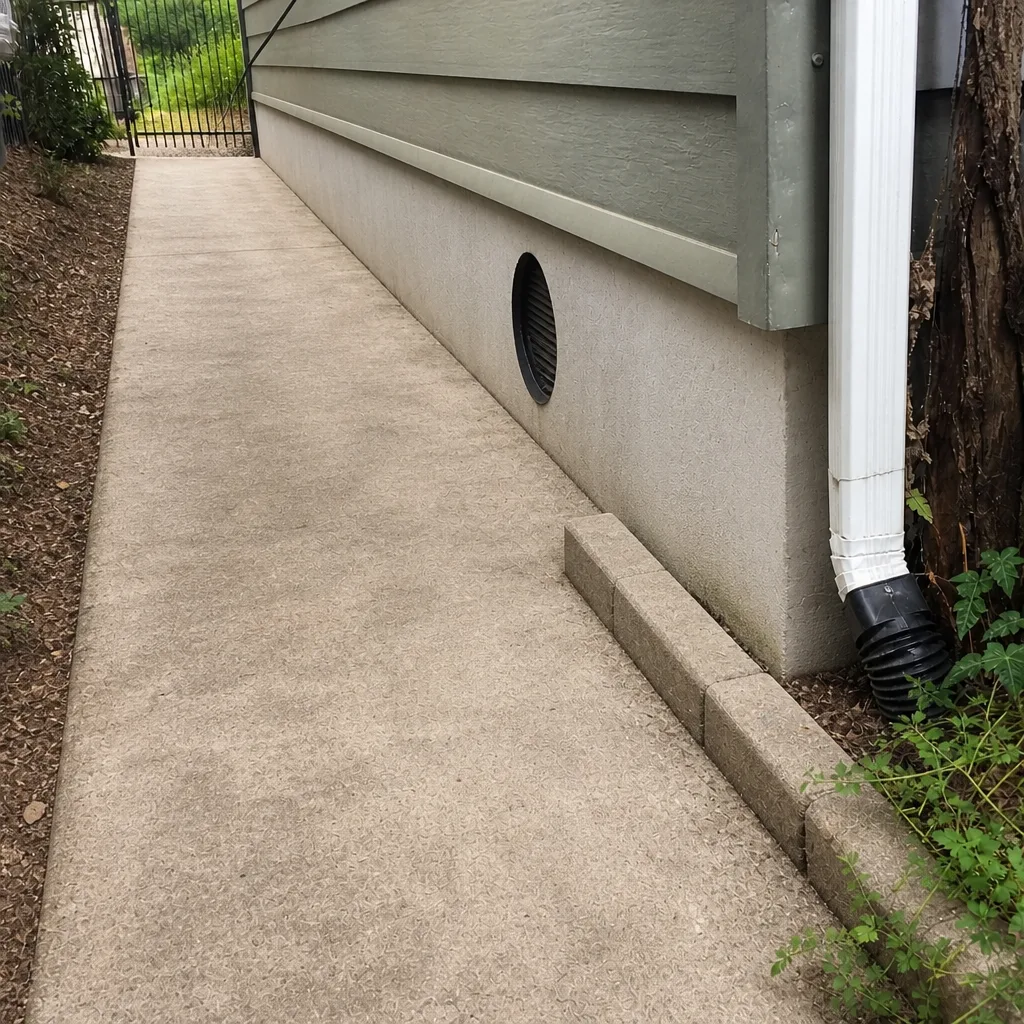 After
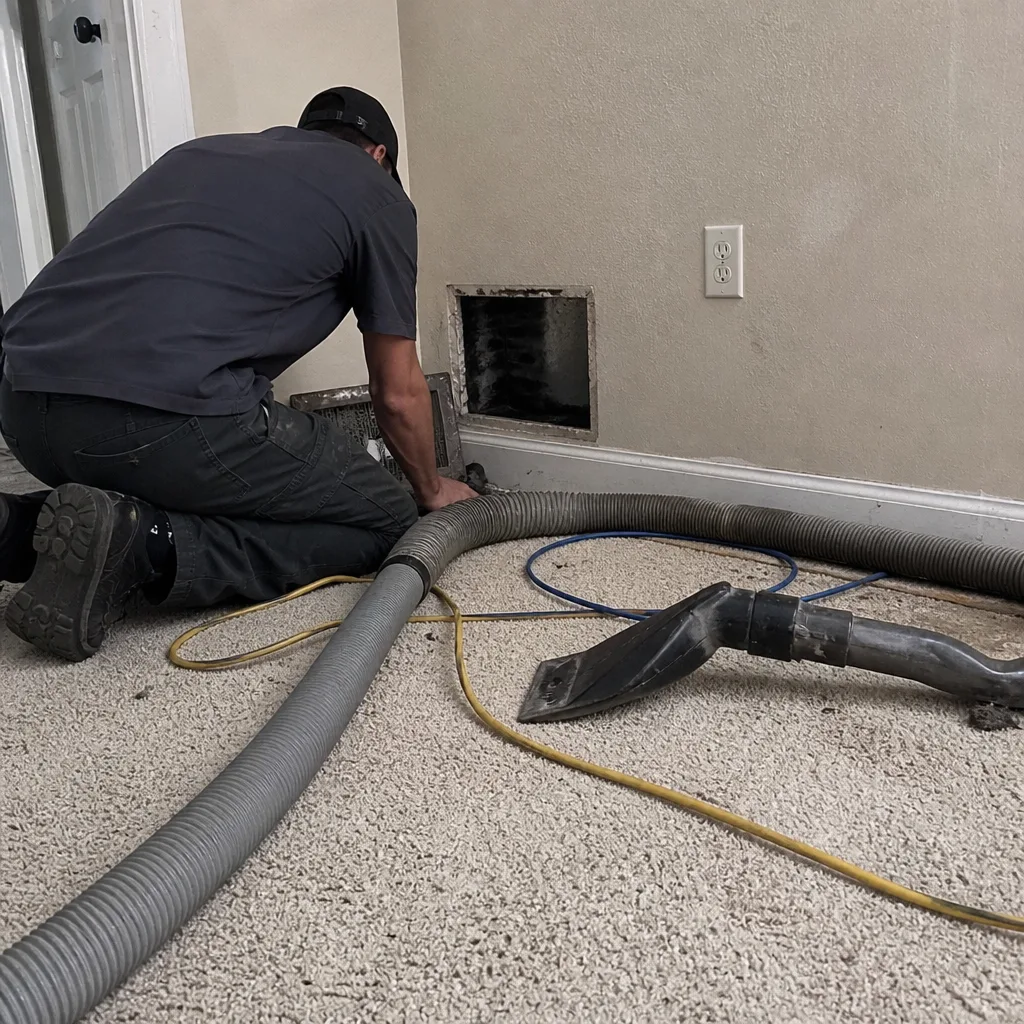 Before
 After
 Before
 After
When to Call a Professional
You need a specialist in the house, not a phone number to file away, when any of the following apply: visible dust plumes kick out of a register when the system starts; the house has a musty, stale smell that returns after a deep clean; a recent renovation sent drywall dust through the return air; a home you just moved into has unknown duct history; someone in the house is dealing with allergies or asthma and the usual measures aren’t helping; the dryer takes two cycles to dry a load. In those cases, the right first step is a camera inspection, not a coupon. Air Duct Cleaning Park Hill offers free estimates in Park Hill – call (866) 964-3950. We answer 24/7, with fast dispatch from 7am to 7pm, Sunday through Friday.
Frequently Asked Questions
In 2026, expect roughly $350 to $700 for a full negative-pressure system clean that includes the air handler and coil, and $150 to $300 for a basic register pass. Add $75-$200 for sanitizing treatment and $100-$250 for a dryer vent line depending on length and access. The written estimate for your system sets the final price. Call (866) 964-3950 for an exact quote – estimates are free.
Because they’re quoting a different scope. A $99 quote typically covers the visible registers with consumer-grade equipment and no containment; a $600 quote covers every run, the trunk, the air handler, the coil and a camera inspection under negative pressure. The difference is measurable in a post-job camera pass, not in the markup. If the cheaper quote can’t tell you what’s included, call us and we’ll walk you through the comparison. Estimates are free at (866) 964-3950.
Ask for a camera inspection before and after the clean, with before-and-after photos of your own ducts, not stock images. A company running Rotobrush or Nikro equipment with Abatement Technologies containment has that footage on hand and shows it. If a company can’t produce it, the work is unverified. Call (866) 964-3950 and we’ll explain what a verified clean looks like on your system.
For most Park Hill homes, every three to five years is a reasonable interval, and sooner if a renovation, water intrusion, pest issue or long vacancy happened in between. Homes with pets, allergy sufferers, or heavy recent drywall work tend to need it on the shorter end. If you’re not sure where you sit, book an inspection and let the camera decide. Call (866) 964-3950 for a free estimate.
Often, yes. Older homes in Park Hill tend to have limited attic access, non-standard duct dimensions and mixed-era retrofit work, all of which add labor time. Suspect wrap or tape that may contain asbestos stops the job until it’s assessed by a qualified abatement professional, and that adds coordination but is non-negotiable. The estimate should account for this up front rather than on the day. Call (866) 964-3950 to talk through what your house needs.
No. Sanitizing treatment is legitimate when the inspection finds organic growth, odor or water history, and it’s applied as the final step after cleaning. On a system that’s clean and dry, it adds cost without solving a problem. If a company makes it a required line item on every job, ask them to show you the condition that justifies it. Call (866) 964-3950 for an honest scope on your system.
The Bottom Line
The cost of air duct cleaning in Park Hill is a function of scope, not market rate. A register pass and a full negative-pressure system clean are different procedures, they produce different outcomes, and the gap between the two is visible on a camera. Compare quotes on line items, not on the bottom number: which surfaces, which equipment, containment yes or no, camera verification yes or no, add-ons priced separately. In Park Hill’s older housing stock, access and material conditions (including asbestos-adjacent wrap) add legitimate labor time, and a written quote should say so up front. Get the scope right, and the price will follow.
Contact
If you’re ready for a real scope on your system, call Air Duct Cleaning Park Hill at (866) 964-3950 for a free estimate. We answer 24/7, with fast dispatch from 7am to 7pm, Sunday through Friday. Our technicians have up to 8 years of experience, and every job runs on professional-grade equipment with a flat price agreed before work starts.
Written by the team at Air Duct Cleaning Park Hill.