
Last updated November 23, 2026
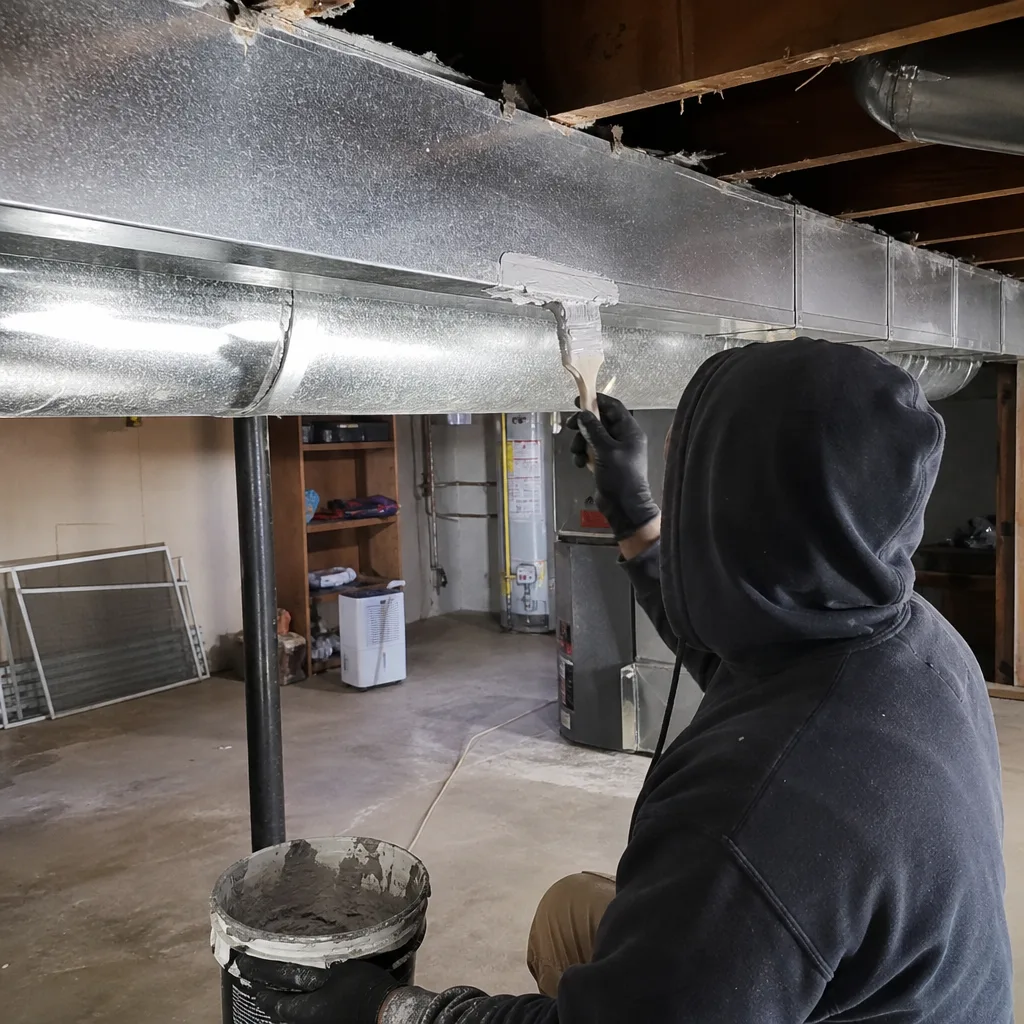
 Whole-home duct cleaning
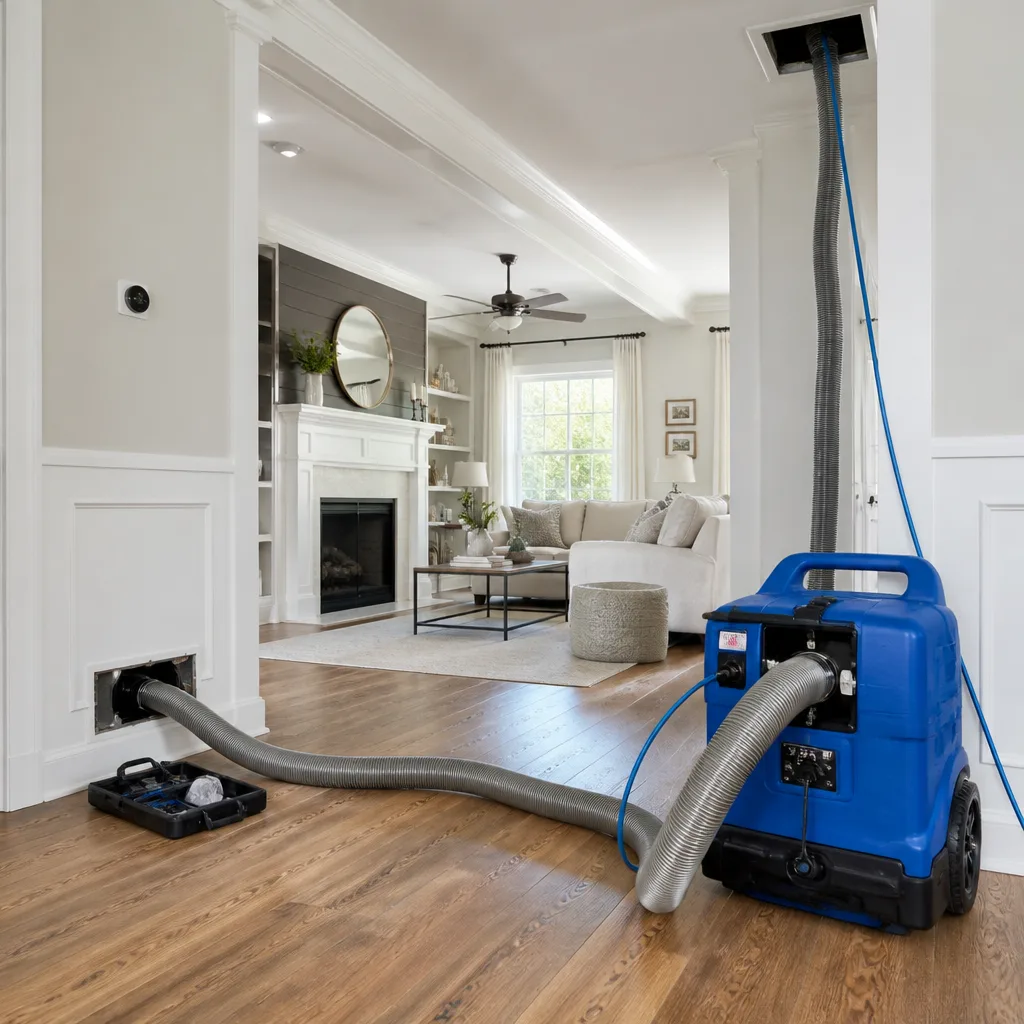
 Dryer vent cleaning
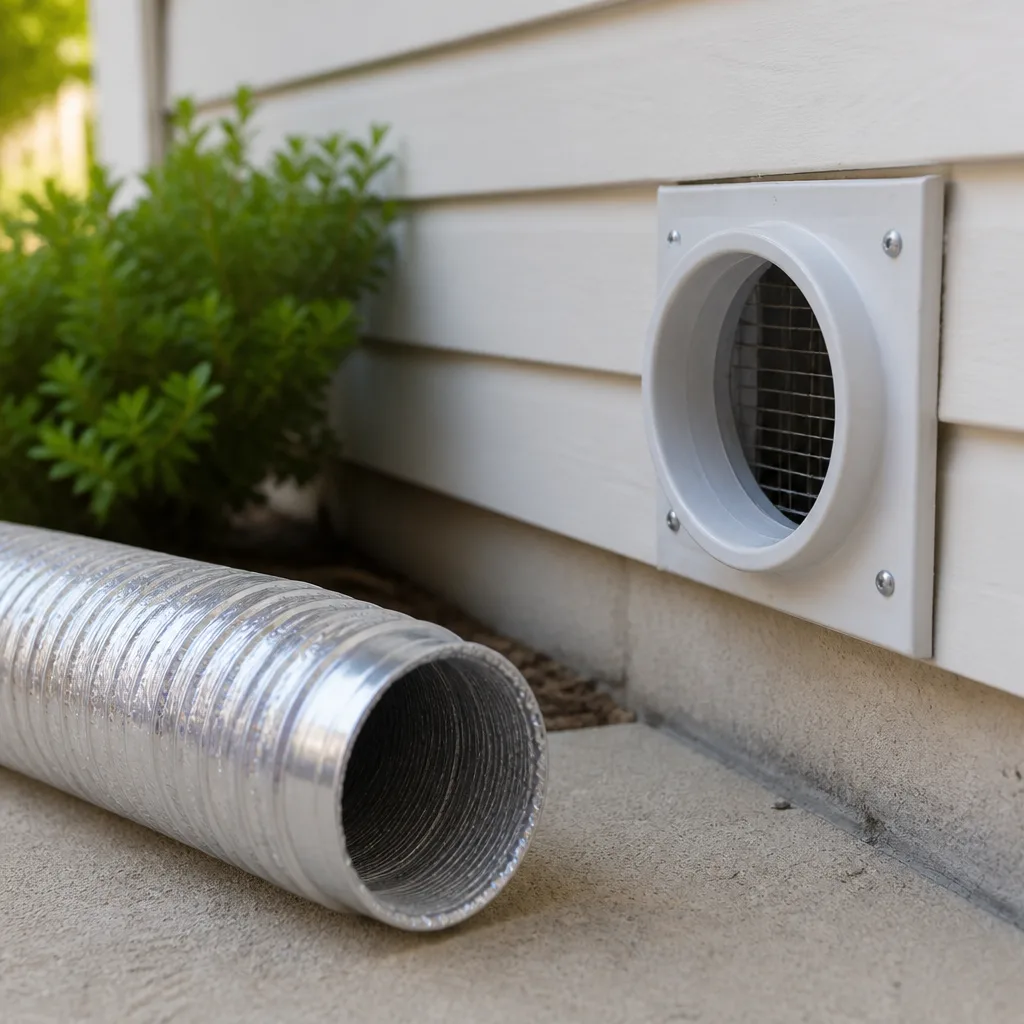
 Camera inspection
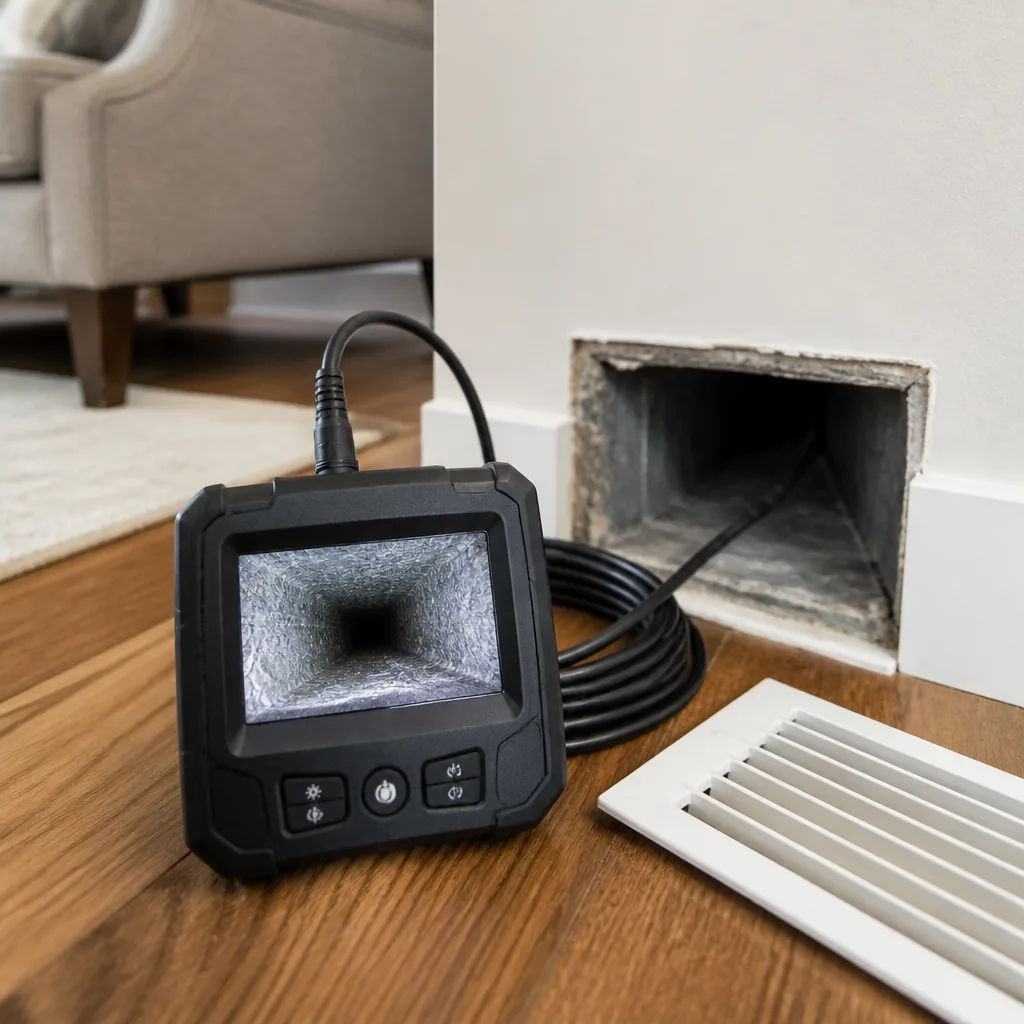
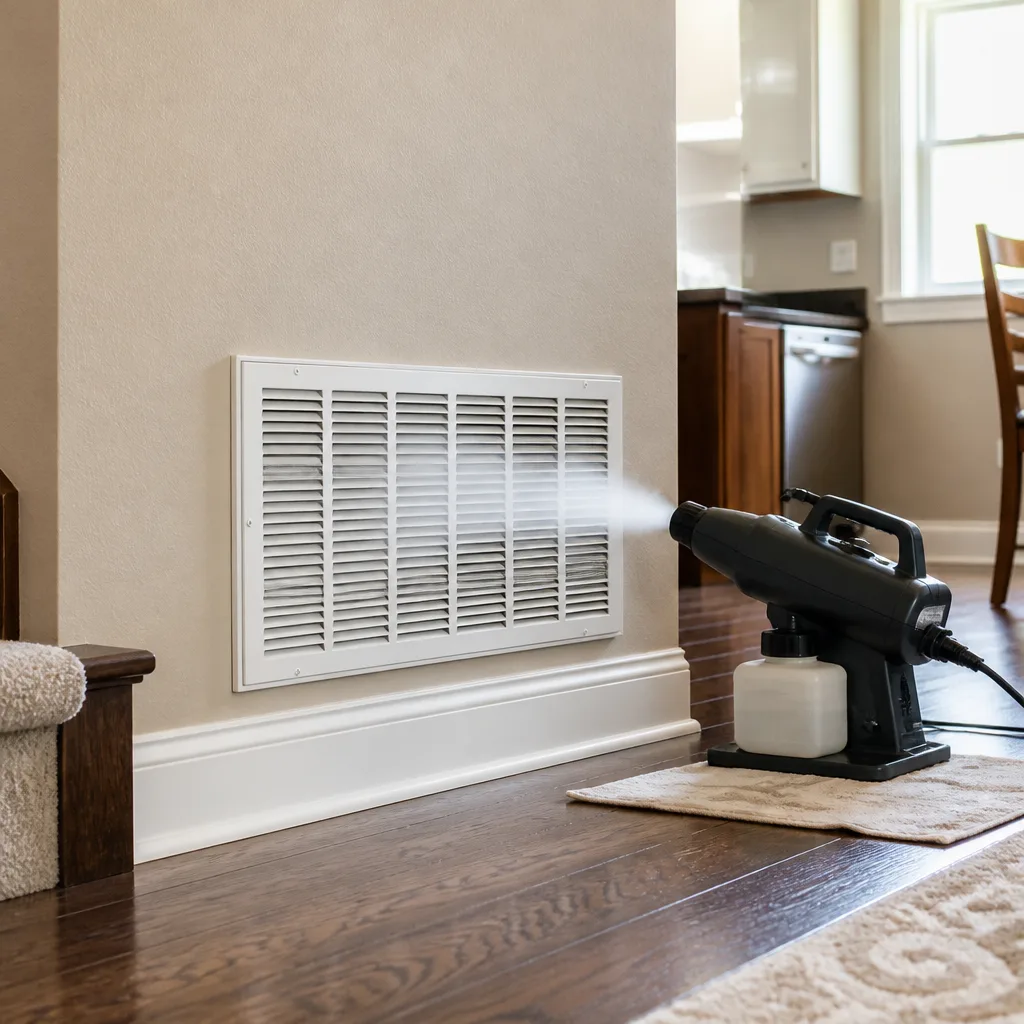 Sanitizing & deodorizing
Whole-system duct and dryer vent check with before-and-after photos - you see exactly what came out of your vents
That "$99 whole-house special" is a bait ad - the real number appears once they are in your hallway, or the "clean" is a shop-vac at the register. We photograph the inside of your ducts before and after instead.
How to Hire an Air Duct Cleaning Contractor in Park Hill: A Step-by-Step Guide
Most homeowners pick an air duct cleaner the way they pick a pizza place: whoever shows up first with the lowest price. That’s the wrong instinct for this particular job. A contractor with a weak vacuum and no containment can loosen debris inside your trunk lines and leave it there, and in a house with older, taped flex connections, careless brush work can pull joints apart that were barely holding. NADCA estimates that up to 90% of companies advertising duct cleaning use portable or truck-mounted vacuums with insufficient static pressure to actually extract debris from trunk lines, and no Colorado licensing requirement currently stops them from advertising anyway. In this guide we’ll walk through the equipment questions, the certification check, and the written scope that separate a real duct-cleaning specialist from a price-leader generalist. If you’re hiring in Park Hill, this is the framework we’d want you to use on us.
Quick Answer
Hire an air duct cleaning contractor by checking three things before you book: the vacuum unit’s CFM rating and whether it’s paired with negative-pressure containment, the brush system used inside the ducts, and whether the contractor will show you pre- and post-cleaning camera footage. Then confirm NADCA ACR certification, get a written scope that names every component (supply lines, return lines, air handler, coil), and insist on whole-system pricing instead of a per-vent quote. Reviews tell you how a contractor handles people; equipment and scope tell you how they handle your ducts.
Styles & brands we work with
- Whole-home duct cleaning
- Dryer vent cleaning
- Camera inspection
- Sanitizing & deodorizing
Table of Contents
- The Three Equipment Questions to Ask Before Booking
- Why NADCA ACR Certification Matters More Than a Google Rating
- Red Flags Specific to Low-Bid Duct Cleaning Operators
- How to Write a Scope of Work That Prevents Add-On Surprises
- Questions to Ask About Older Park Hill Homes
- What Air Duct Cleaning Costs in Park Hill and Why Quotes Vary So Much
- What a Proper Duct Cleaning Visit Looks Like, Step by Step
- How to Verify a Contractor in 30 Seconds
The Three Equipment Questions to Ask Before Booking
Ask these on the phone, before anyone comes out. A contractor who does this work well will answer in specifics. One who doesn’t will pivot to price.
1. What is the CFM rating of your vacuum unit? CFM means cubic feet per minute, and it’s the measure of how much air the vacuum can move. A shop vacuum or a consumer-grade duct kit simply can’t pull debris out of a trunk line that runs the length of a house. Professional systems like the Rotobrush and Nikro platforms are built for this job and are the same class of equipment commercial contractors specify. If the person on the phone can’t tell you what unit they run, that’s your answer.
2. What brush system do you use? Rotary brush systems use a spinning head on a flexible cable to scrub duct walls; air-whip systems use compressed air to knock debris loose. Most professional setups use a brush system with a vacuum attached, and some situations call for air assist. The right system depends on your duct material: older rigid metal takes rotary brushing well, while some flex duct needs gentler treatment. An operator who knows their equipment will ask what kind of ducts you have before recommending anything.
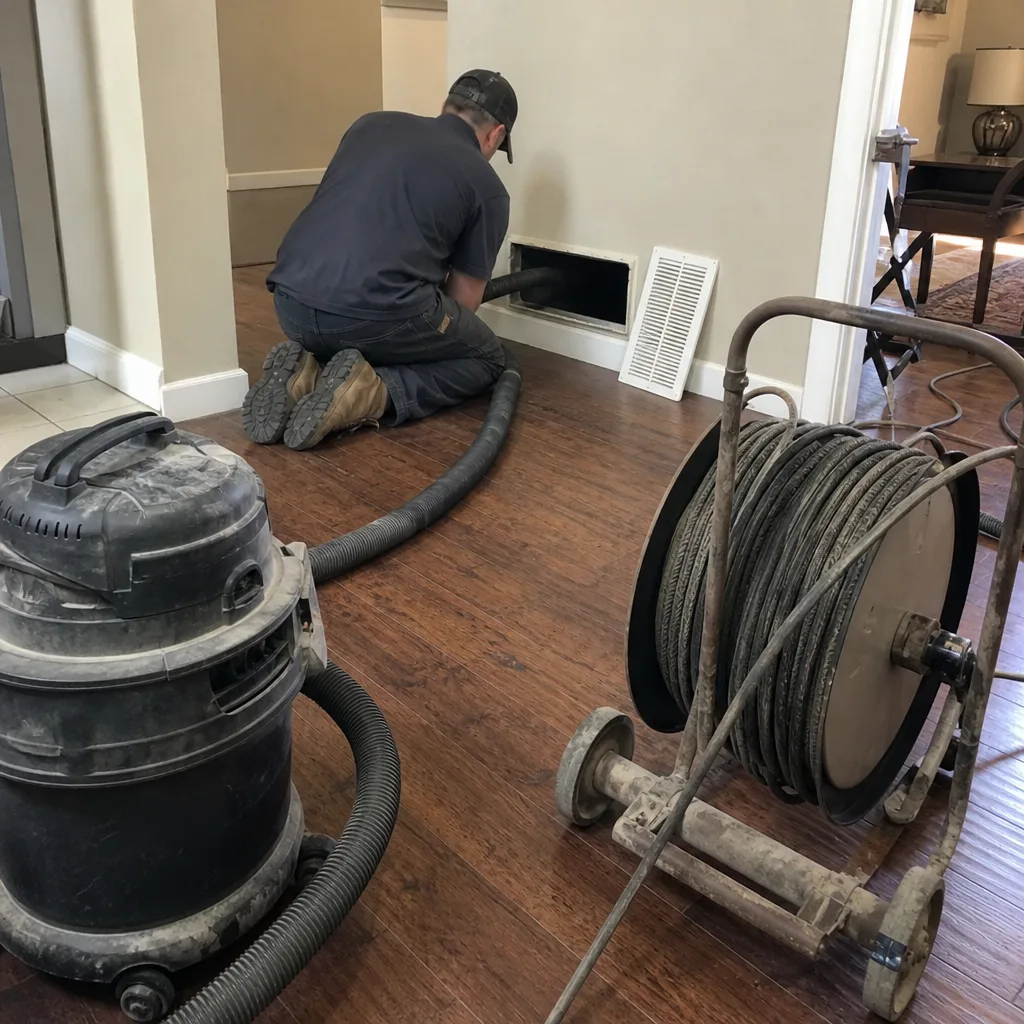
3. Do you use a camera for pre- and post-inspection? This is the single best question on the list. A camera inspection before the work shows what’s actually in the ducts. A camera inspection afterward shows what’s left. If a contractor doesn’t inspect, they can’t prove anything was removed, and neither can you. Ask whether you’ll see the footage, and ask for before-and-after photos of your own system, not a stock gallery.
One more piece of equipment to ask about: negative-air containment. Abatement Technologies negative-air units pull the working area into a slight vacuum and capture dislodged debris at the source instead of letting it drift through the house. Without containment, duct cleaning in a Park Hill house with an open return can blow dust into living spaces. That’s not a hypothetical concern; it’s the reason containment equipment exists as a separate product category.
Why NADCA ACR Certification Matters More Than a Google Rating
A Google rating tells you how a contractor handles scheduling and customer service. NADCA’s ACR certification tells you whether they were trained and tested on the actual work. Those are different things, and the second one matters more for a job that involves opening the air system in your home. ACR stands for Air Systems Cleaning Specialist, and it’s administered by the National Air Duct Cleaners Association, the trade body that publishes the industry’s cleaning standard.
Verifying it takes about 30 seconds:
- Go to NADCA’s website and open its public directory of certified professionals.
- Search by company name or by your ZIP code.
- Confirm the company appears, and note whether the certification is listed for the company or only an individual.
- Ask the contractor to confirm the name on the certification matches the company that will actually do the work.
Why does this matter so much in Park Hill? Because much of the housing stock here was built in the postwar decades, when duct systems were assembled differently than they are today. Seams are sealed with mastic or old tape rather than modern gaskets, and flex connections in attics and crawlspaces have had a long time to loosen. A contractor trained to the ACR standard knows to inspect those connections before and after cleaning; an untrained operator may not notice a joint that came apart until the homeowner complains about a room that won’t heat. That’s the cost of hiring on price alone: not just wasted money, but damaged ductwork and, in some cases, an HVAC warranty question you didn’t want to have.
We mention this standard because we’d rather you check it than assume it. Our technicians have up to 8 years of experience and work with Rotobrush and Nikro equipment; we’re glad to talk through any of it on the phone. Whichever company you choose, ask about ACR status and don’t settle for a vague answer. If a contractor says they’re “certified” without naming the certifying body, ask which one.
Red Flags Specific to Low-Bid Duct Cleaning Operators
Low-bid duct cleaning has a well-earned reputation problem, and the tells are consistent. Here’s what to watch for.
- Quoting by the vent instead of the whole system. A per-vent price sounds straightforward, but the trunk line, plenum, and air handler are where most of the debris sits. A contractor who prices per vent is pricing the easy part and often charges extra for the rest once they’re inside your house.
- No mention of negative pressure or containment. If the word “containment” never comes up, ask directly. A company that doesn’t contain debris at the source is likely redistributing it through your home.
- Unwillingness to show equipment on site. Before work begins, you should be able to look at the vacuum unit and the containment setup. A reputable operator is glad to walk you through it.
- Coupons that turn into larger invoices. A teaser price that becomes a much bigger invoice once the technician is on site is the classic bait-and-switch in this trade. Ask what the final price actually covers before anyone arrives.
- No written scope of work. If the quote doesn’t list which components are included, assume the ones you care about aren’t.
- “We clean the whole system” with no detail. Vague language often means the operator skips the return lines, coil, or air handler. Ask specifically what gets cleaned.
- No camera and no photos. If you can’t see what came out, you can’t know the work happened.
None of these on its own is damning. Together, they describe a price-leader operation. The fix is a clear framework: whole-system pricing, one flat price per system agreed before work starts, and before-and-after photos of your own ducts, not a generic gallery.
How to Write a Scope of Work That Prevents Add-On Surprises
Getting a written scope of work is the most underused protection in this trade. It’s also the easiest to ask for. Before you book, request a written quote that names each component the contractor will clean, and compare it line by line to the list below. If a quote is missing a component, ask why.
The full scope for a duct cleaning should specify:
- Supply lines. Every supply run, from the plenum to the register boot.
- Return lines. Return ducts are often the dirtiest because they carry air back from living spaces; skipping them is a common shortcut.
- The air handler. The inside of the cabinet, not just the exterior.
- The evaporator coil. The A/C coil sits downstream of the filter and collects debris; a cleaning that skips it leaves a source of buildup in place.
- The blower compartment. In many homes this is where the most visible buildup collects.
- Register and grille cleaning. Removed, cleaned, and reinstalled, or cleaned in place, depending on the system.
- Containment setup. The stated method for keeping dislodged debris inside the work area.
- Sanitizing step. If a sanitizing treatment is included, ask what product is used and where it’s applied.
- Photos and post-cleaning inspection. What you receive and when.
If your system has leaks, the scope should also address them. Duct Repair & Sealing is one of the services we handle directly, and we’d rather see a scope that includes a sealing allowance than watch a homeowner call a second company after the cleaning crew leaves. Many duct cleaning contractors stop at cleaning and refer leaks out; that adds coordination and often another invoice. Ask any contractor whether they seal, and if they don’t, whether they’re willing to put the referral in writing so you know what you’re getting.
Round out the scope by asking about post-cleaning filtration. If your return is pulling visible dust through a cheap filter, a cleaning will help but won’t hold. Honeywell and Aprilaire offer filtration and humidity products designed for whole-home installation, and having those specified in the scope – even if you schedule them separately – tells you the contractor thinks about air quality as a system, not a single job.
Questions to Ask About Older Park Hill Homes
Older housing stock in Park Hill brings up three questions that a generic contractor won’t volunteer. Ask them directly.
What’s your protocol for asbestos duct wrap? Some duct systems from mid-century construction were wrapped or taped with materials that contained asbestos. Regulations around disturbing these materials are strict, and the rules are set by state and federal agencies rather than local code, so the protocol is best confirmed with the contractor and, if there’s any doubt, with an abatement professional before cleaning starts. Ask any contractor how they handle a system where the wrap is friable or of unknown composition, and don’t accept “we’ve never run into that” as a complete answer. A trained contractor knows that the right response is to stop and bring in the proper specialist, not to clean through it.
How will you check flexible duct connection integrity? Flex connections in Park Hill attics and crawlspaces age, sag, and pull loose. A brush or air whip run through a compromised connection can separate it further. Ask how the contractor will inspect before and after, and whether they’ll repair or reseal a loose joint as part of the job or quote it separately.
Do you carry a debris-disposal manifest? Debris removed from a home should leave the home and go somewhere responsible. Ask how debris is bagged, transported, and disposed of, and whether you’ll get documentation. This is the kind of boring, verifiable detail that separates a professional operation from a truck with a hose and a stack of door hangers.
One more note specific to this part of the Front Range: our climate runs dry much of the year, and airborne dust is a constant. Homes in Park Hill see more dust intrusion than the national average because of it, which shortens the interval between cleanings and makes containment and filtration choices more important than they’d be in a wetter climate. If you’re comparing quotes, ask how the contractor’s filter selection handles a dry-climate dust load. Aprilaire and Honeywell both make media cabinets that address this well, and a contractor who knows the local climate will have a recommendation.
What Air Duct Cleaning Costs in Park Hill and Why Quotes Vary So Much
Duct cleaning in Park Hill is priced per system, not per vent, and the final price is set by the written estimate. Quotes vary widely because the work varies widely: a single-story ranch with accessible attic ducts and a clean system is a very different job from a two-story with a basement return, a compromised flex connection, and a coil that hasn’t been touched in years. Broadly, most residential duct cleanings fall in a range from a few hundred dollars for a basic single-system job to a thousand or more for a larger home with multiple systems and add-ons like sealing. The written estimate you receive is the number that matters, and it should be one flat price per system agreed before work starts.
Here’s a rough sense of how the components of the job break out:
- Base duct cleaning (supply and return, air handler): typically the largest single line item; scales with system size and accessibility.
- Coil and blower cleaning: often quoted separately because it takes additional time and access.
- Sanitizing treatment: an add-on; ask what product is used and where it’s applied.
- Duct repair and sealing: priced per job depending on how many joints need resealing.
- Filtration upgrade: hardware and install cost for products like Honeywell or Aprilaire media cabinets.
- Dryer vent cleaning: often bundled into a visit if the dryer vent is accessible; this is a separate job from duct cleaning and worth doing on its own schedule.
Why are some quotes so much cheaper? A low price usually means the contractor is skipping containment, skipping the coil, or not doing camera inspection at all. That’s not a bargain. It’s a partial job at a partial price. Ask every contractor to itemize the quote against the scope list above, and compare like with like. If one quote is dramatically lower, ask what’s missing.
For a clearer picture of what a full-system service includes, our air duct cleaning page walks through the components and what changes the price from job to job. And because dryer vents are often ignored until there’s a problem, it’s worth reading up on dryer vent cleaning as a separate service; lint buildup in the exhaust run is a leading cause of residential fires and isn’t addressed by duct cleaning alone.
What a Proper Duct Cleaning Visit Looks Like, Step by Step
Knowing the sequence helps you spot a rushed job. A thorough visit usually follows this order:
- Walkthrough and pre-inspection. The technician identifies every register and return, checks the air handler and coil, and confirms the scope with you before starting.
- Camera inspection. A camera goes into representative runs, and the footage is shown to you so you understand what’s being removed.
- Containment setup. Negative-air equipment and sealing materials are placed to keep debris inside the work area.
- Register and grille removal. Registers are removed so the ducts can be reached cleanly.
- Cleaning, run by run. A rotary brush system and vacuum work through the supply lines, returns, plenum, and air handler. Flex connections are checked as the work progresses.
- Coil and blower. The evaporator coil and blower compartment are cleaned based on the scope.
- Sealing and repair. Any joints that were loose are resealed, and the work is documented.
- Sanitizing. A Guardsman treatment applied inside the cleaned ducts helps inhibit microbial growth where that step is part of the scope.
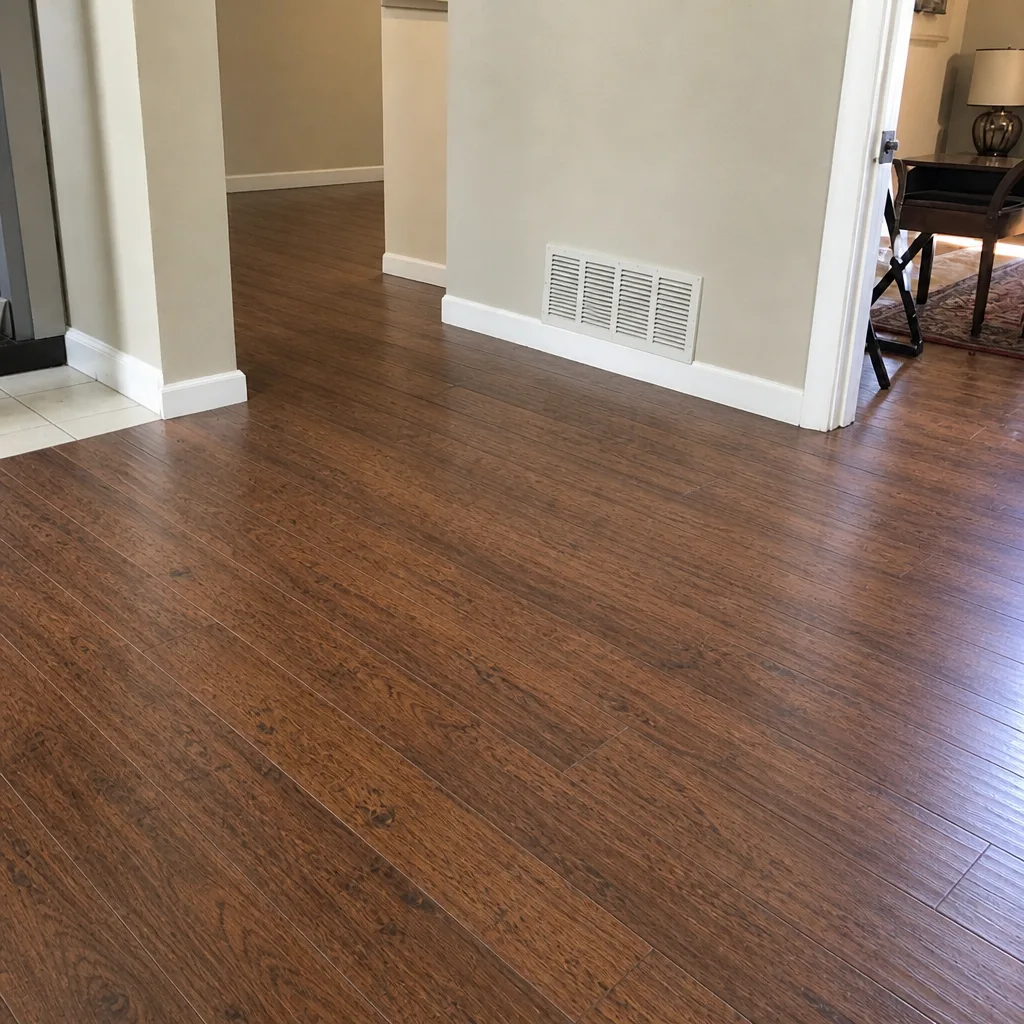
- Post-inspection and photos. The technician repeats the camera inspection and provides before-and-after photos of your own ducts.
- Cleanup. Containment is removed, registers reinstalled, and debris taken away.
This is the sequence we run, and it’s the one to look for when a contractor describes their process. If the description jumps from “we show up” to “we’re done,” ask what happens between.
If the system includes central air conditioning, cleaning the air handler and coil overlaps with broader HVAC service. Our HVAC cleaning page covers the equipment side in more depth. For a full run-through of the parent service, see Air Duct Cleaning Park Hill.
How to Verify a Contractor in 30 Seconds
Verification is faster than most people expect. Run these checks before you book:
- Search NADCA’s public database for the company name and confirm ACR status.
- Ask the contractor to name their equipment by brand and model: Rotobrush, Nikro, Abatement Technologies, and similar professional platforms. Generic answers are a sign to keep looking.
- Ask for the written scope and compare it to the component list in this guide.
- Ask for before-and-after photos from a recent job, and read carefully: are they of the system itself, or a stock image?
- Confirm the local pro is licensed and insured as their state requires.
- Confirm that the price is one flat price per system, agreed before work starts, and that no add-ons appear after the technician arrives.
That’s it. None of these checks requires special knowledge. They just require asking.
Common Mistakes to Avoid
- Booking on price alone. A coupon price that becomes a much larger invoice once work starts is the most common complaint in this trade. Ask for the written estimate and one flat price per system before you schedule.
- Accepting a per-vent quote. It leaves the trunk line, plenum, and air handler out of the equation, and those are where the debris sits. Insist on whole-system pricing.
- Skipping the camera inspection. Without before-and-after footage, you have no evidence the work was done. Ask to see the images.
- Ignoring older duct wrap. Park Hill homes from mid-century construction may have duct wrap of unknown composition. Ask about the contractor’s asbestos protocol, and don’t let anyone clean through friable material.
- Forgetting the dryer vent. Dryer vent cleaning is a different job from duct cleaning, and lint buildup in the exhaust run isn’t addressed by either duct or HVAC cleaning. Put it on the schedule separately if it’s overdue.
- Choosing a contractor who doesn’t seal. Duct leaks re-dirty a freshly cleaned system quickly. Ask whether the contractor seals or refers out.
- Assuming the work is done without photos. “We cleaned the whole system” without documentation is a claim, not a result. Ask for before-and-after photos of your own ducts.
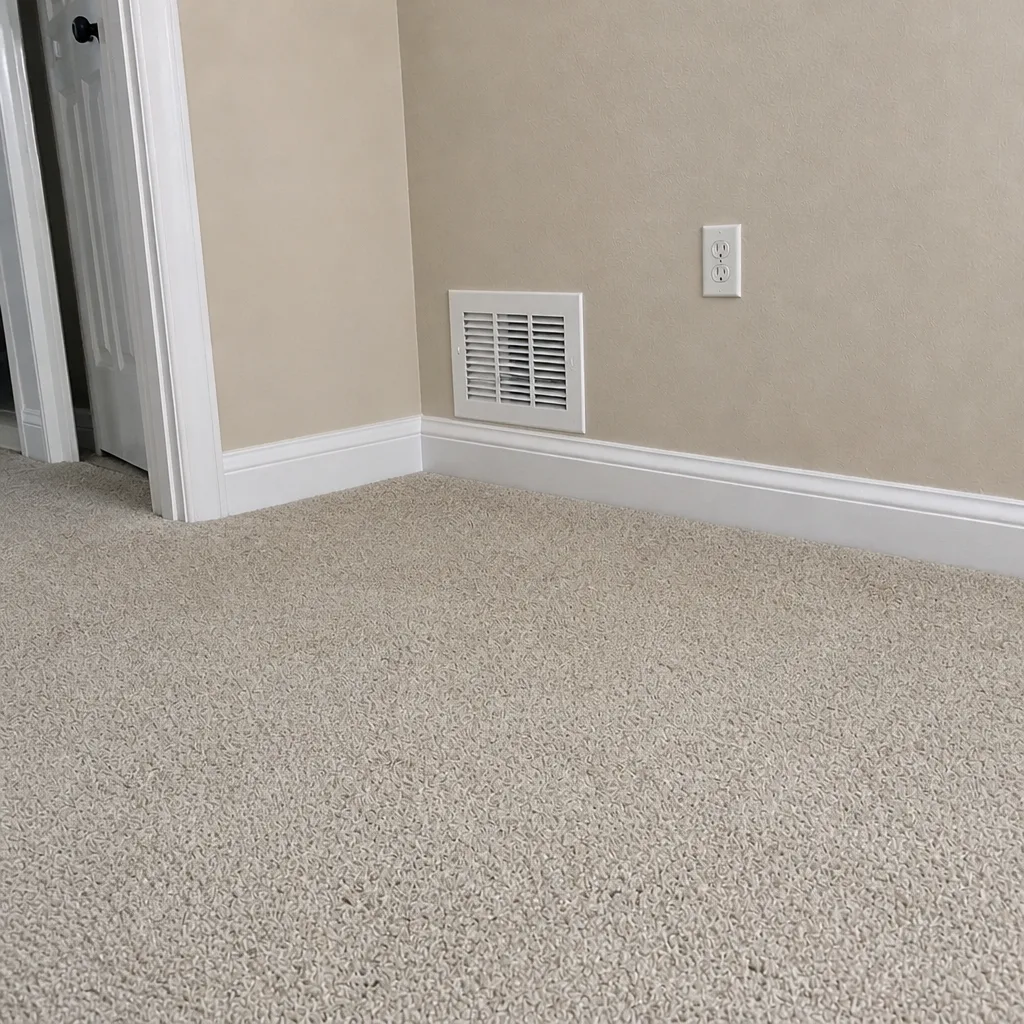
See the difference
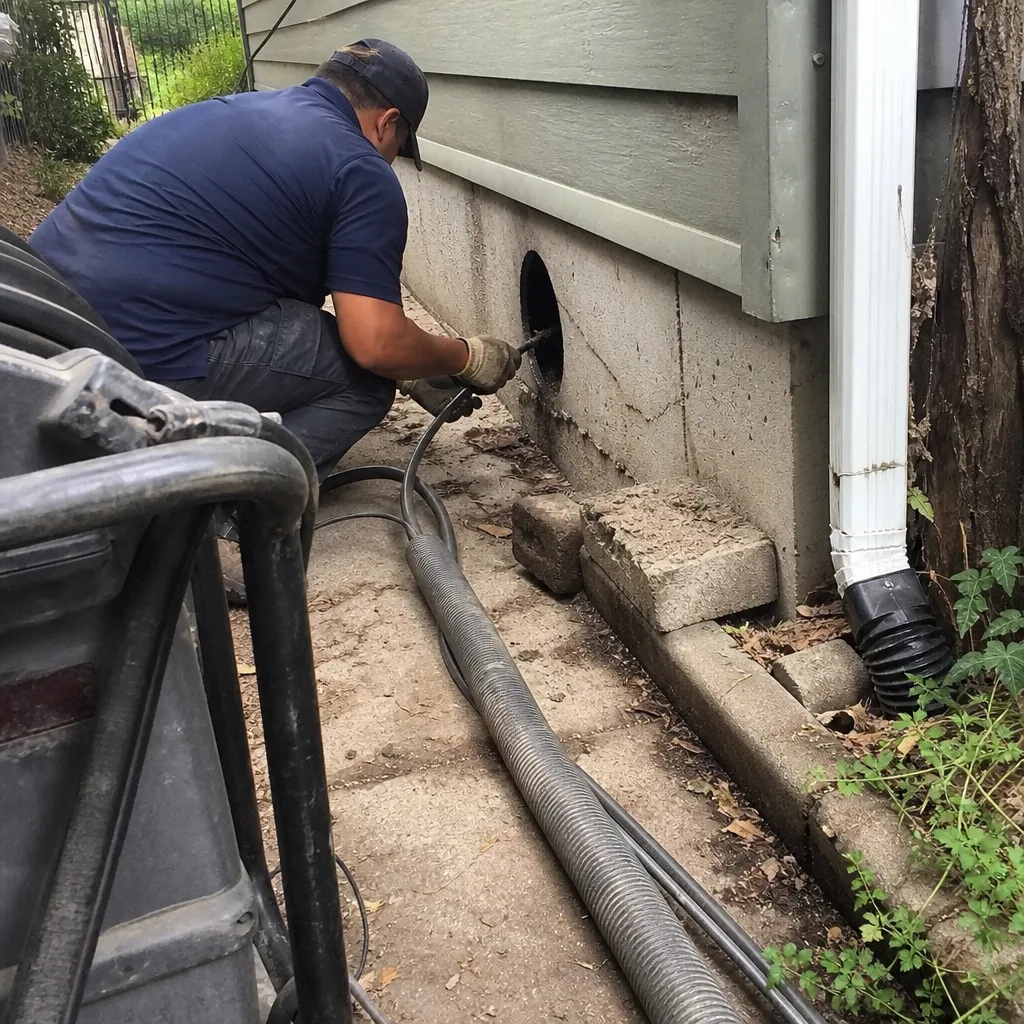 Before
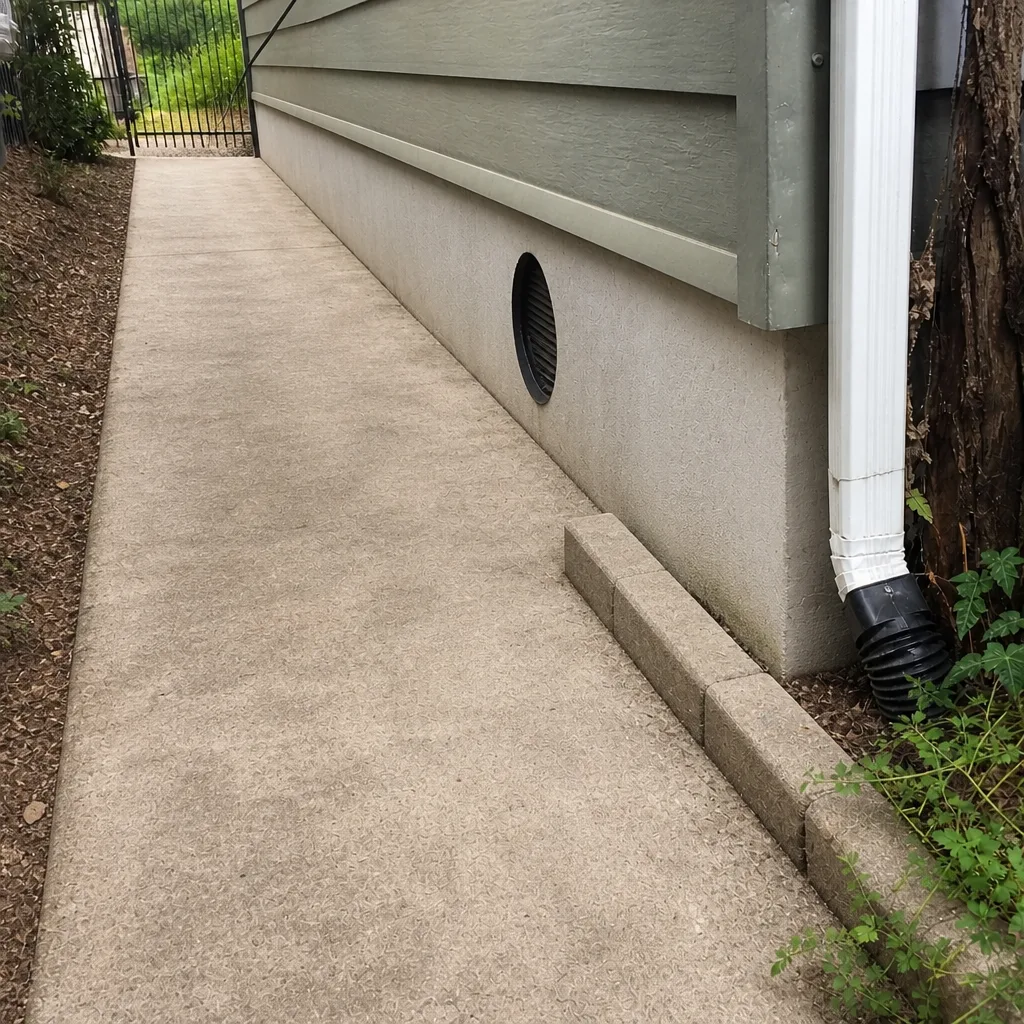 After
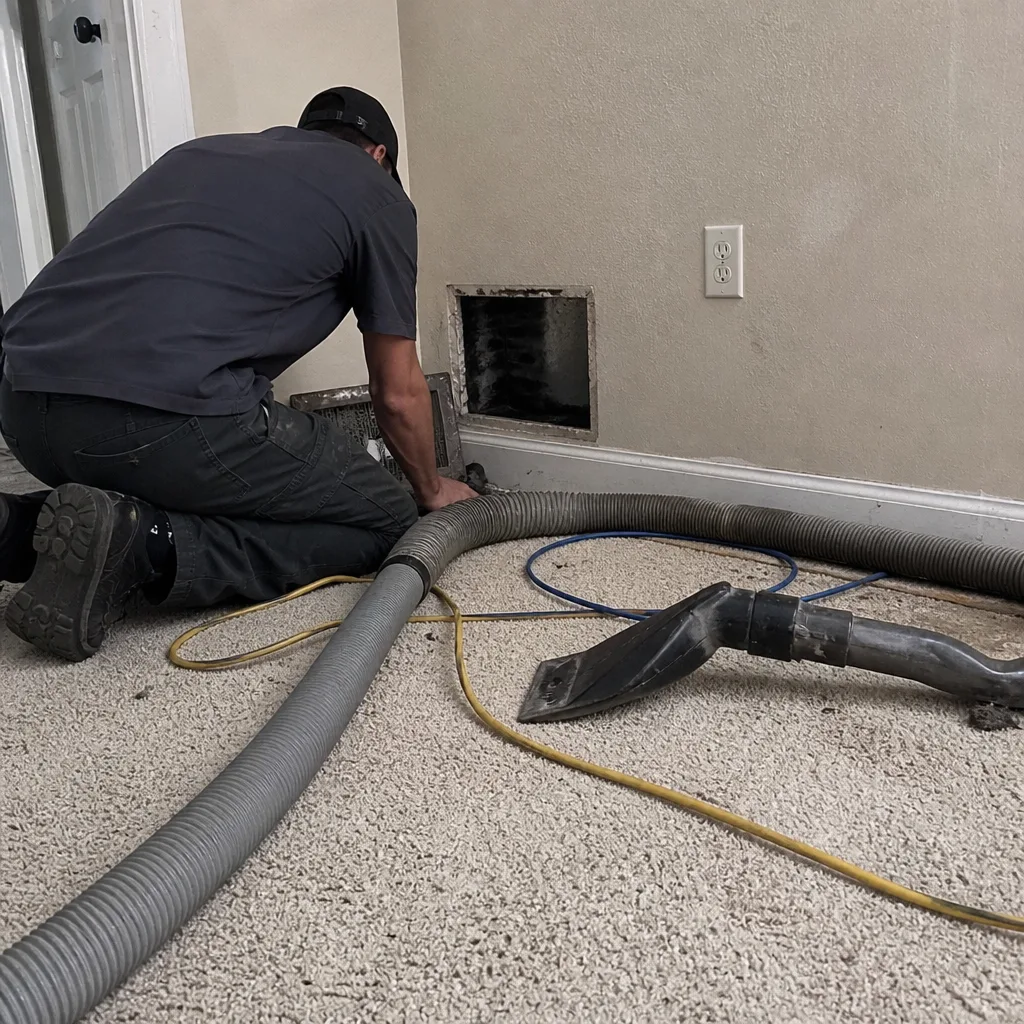 Before
 After
 Before
 After
When to Call a Professional
Some situations clearly call for a professional duct cleaning, and some can wait. Call when you’ve just finished a renovation and drywall dust has been pulled into the return; when you’ve moved into a Park Hill home and don’t know the last time the system was cleaned; when allergies or asthma symptoms seem to worsen indoors; or when you can see visible buildup at the registers. A dryer vent that hasn’t been cleaned in years is worth scheduling too, since lint accumulates regardless of what the ducts look like. If your HVAC contractor has flagged a dirty coil, that’s another reason to schedule a visit. Air Duct Cleaning Park Hill offers free estimates in Park Hill: call (866) 964-3950. We answer 24/7. Fast dispatch from 7am to 7pm, Sunday through Friday.
Frequently Asked Questions
Most residential duct cleanings in Park Hill fall in a range from a few hundred dollars for a basic single-system job to a thousand or more for larger homes with multiple systems and add-ons. The final price is set by the written estimate after the contractor inspects your system, and it should be one flat price per system agreed before work starts. Call (866) 964-3950 for an exact quote; estimates are free.
Cheap quotes usually mean the contractor is skipping containment, skipping the coil or air handler, or not doing camera inspection at all. The lower price reflects less work, not a better deal. Ask every contractor to itemize their quote against the component list in this guide, then compare like with like. Call (866) 964-3950 if you’d like to talk through a quote you’ve received; estimates are free.
Ask for camera inspection footage before and after the cleaning, and ask for photos of your own ducts, not a stock gallery. A contractor who inspects and documents the job will show you what was removed. If a contractor can’t provide before-and-after images, treat that as a serious warning sign. Call (866) 964-3950 for a free estimate and to see how we handle documentation.
For most homes, every three to five years is reasonable, with adjustments for pets, renovations, allergies in the household, and local dust levels. Park Hill’s dry climate pushes the dust load higher than in wetter regions, so homes here tend to sit at the shorter end of that range. Call (866) 964-3950 for a free estimate and a recommendation based on your system; estimates are free.
For the work itself, yes. A Google rating reflects customer service; ACR certification reflects training and testing on the actual cleaning standard, and it takes about 30 seconds to verify on NADCA’s public database. Both matter, but if you can only check one before booking, check the certification. Call (866) 964-3950 if you’d like to ask how we work; estimates are free.
No, they’re separate jobs. Dryer vent cleaning addresses lint buildup in the exhaust run, and it isn’t covered by a duct cleaning or HVAC cleaning visit. Lint in the vent is a leading cause of residential fires, and it accumulates regardless of how clean the ducts are. Call (866) 964-3950 for a free estimate and to schedule both; estimates are free.
The Bottom Line
Hiring a duct cleaning contractor in Park Hill comes down to a short list of checks. Ask about the vacuum’s CFM rating, the brush system, and camera inspection. Verify NADCA ACR certification on the public database. Get a written scope that names the supply lines, returns, air handler, and coil. Insist on one flat price per system agreed before work starts, and ask for before-and-after photos of your own ducts. For older Park Hill homes, ask about asbestos wrap protocol and flex connection integrity. Do those things and the price-leader operators will weed themselves out on the phone, before they’re ever in your house. Air Duct Cleaning Park Hill offers free estimates in Park Hill: call (866) 964-3950. We answer 24/7. Fast dispatch from 7am to 7pm, Sunday through Friday.
Written by the team at Air Duct Cleaning Park Hill.