
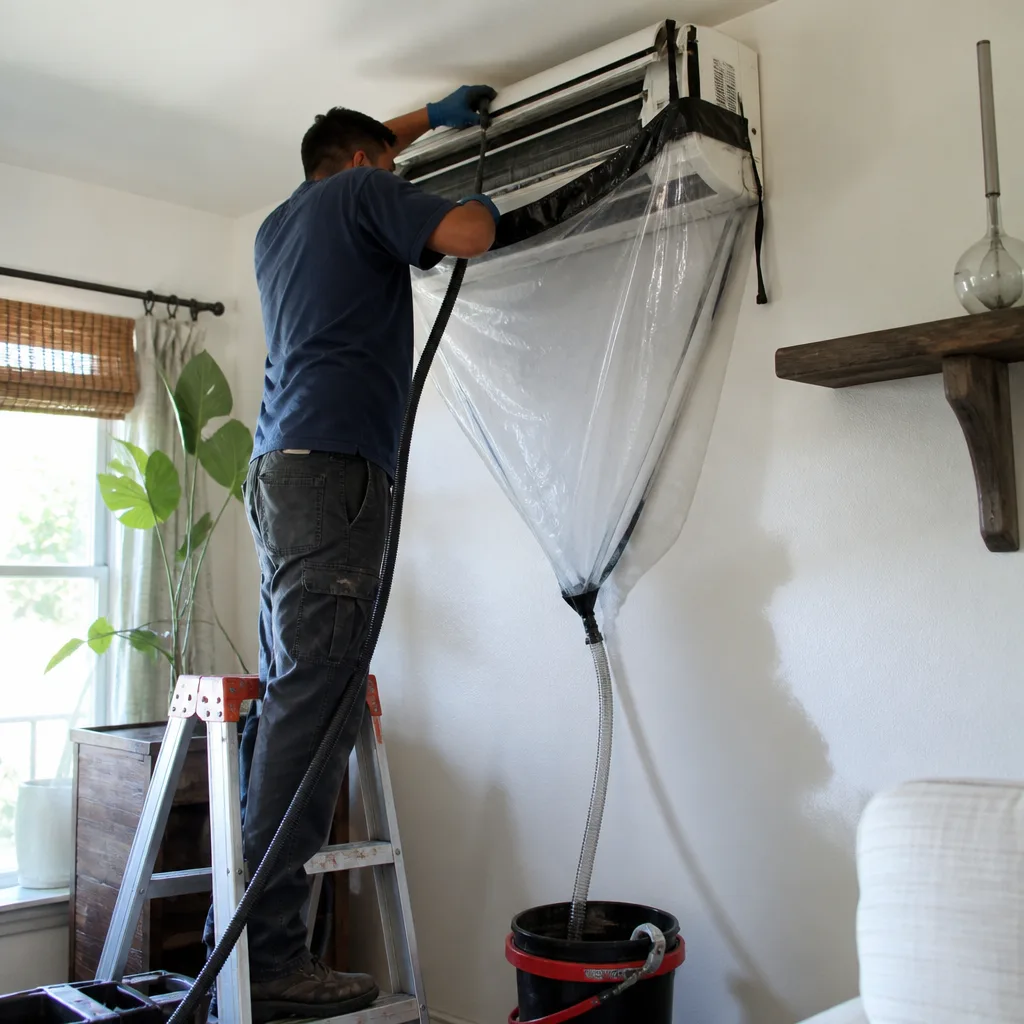
Last updated November 23, 2026
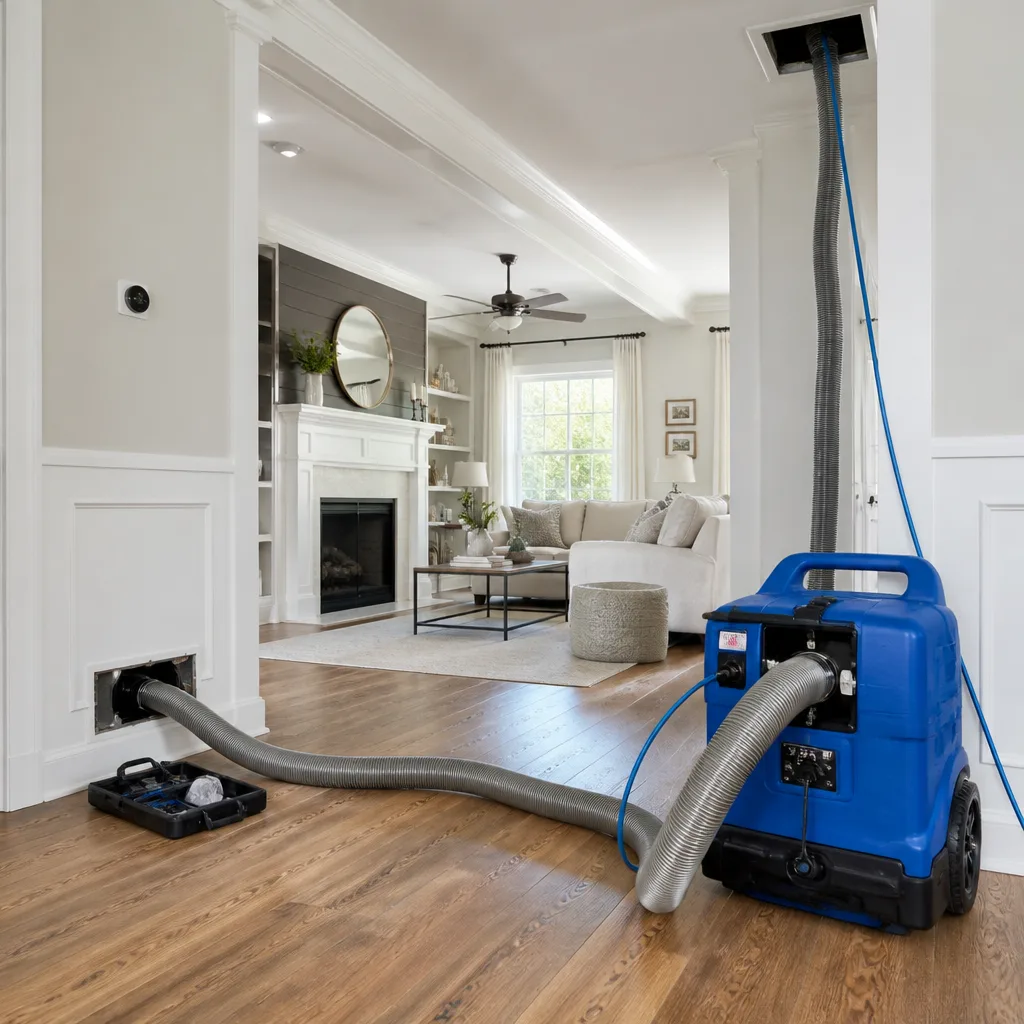 Whole-home duct cleaning
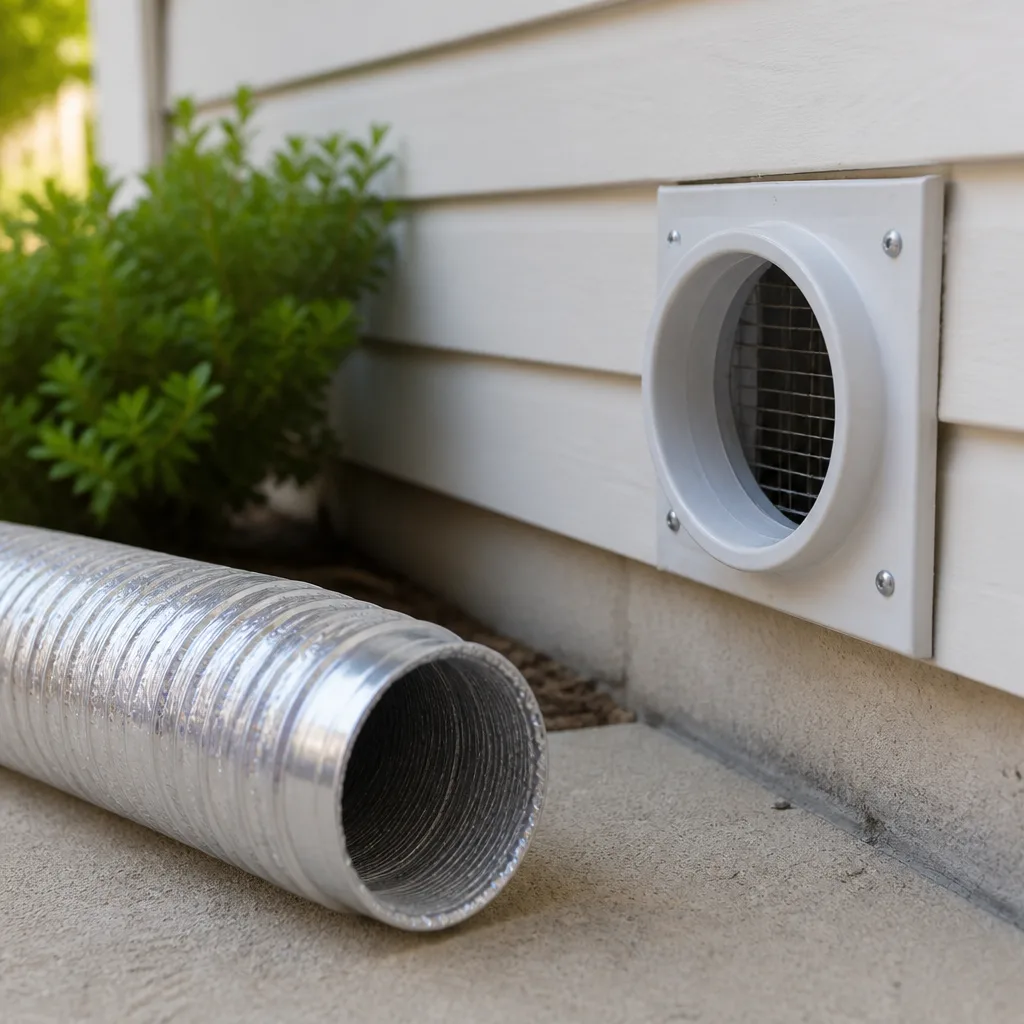 Dryer vent cleaning
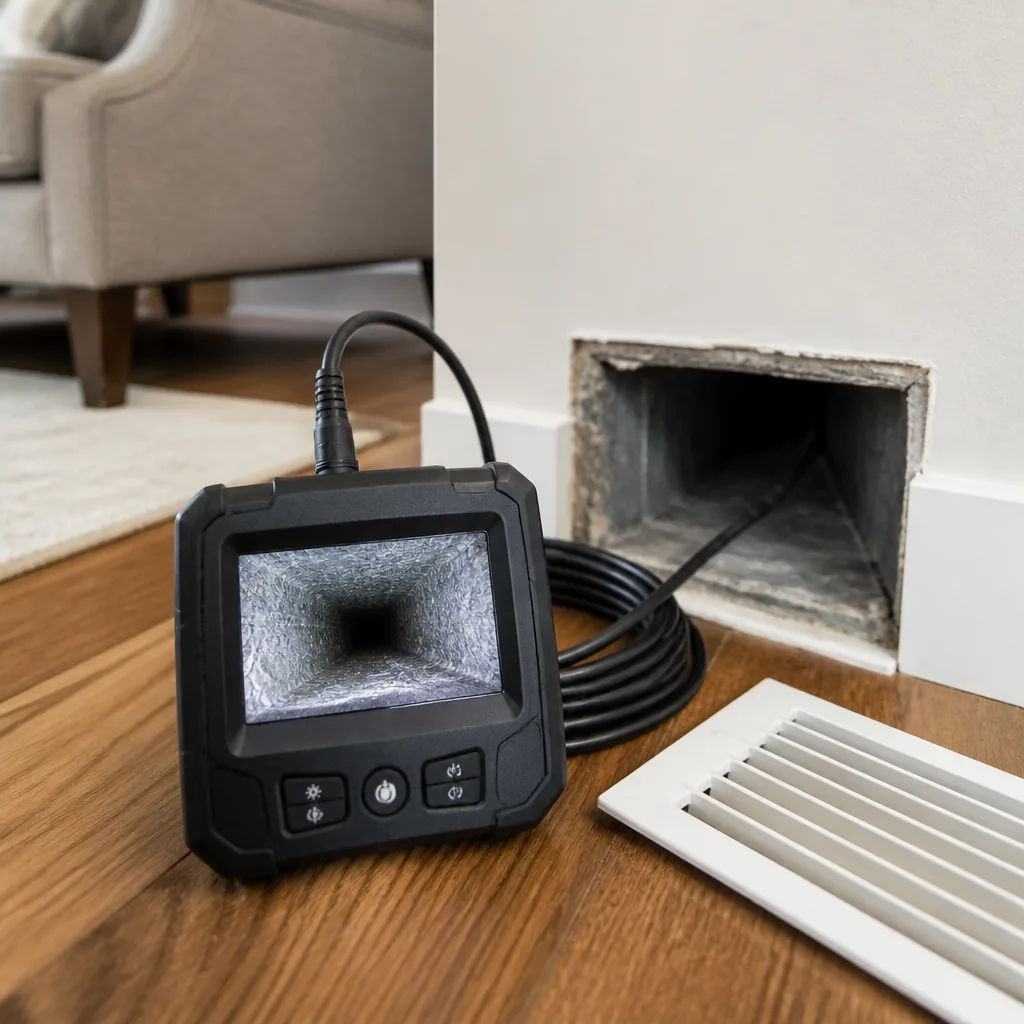 Camera inspection
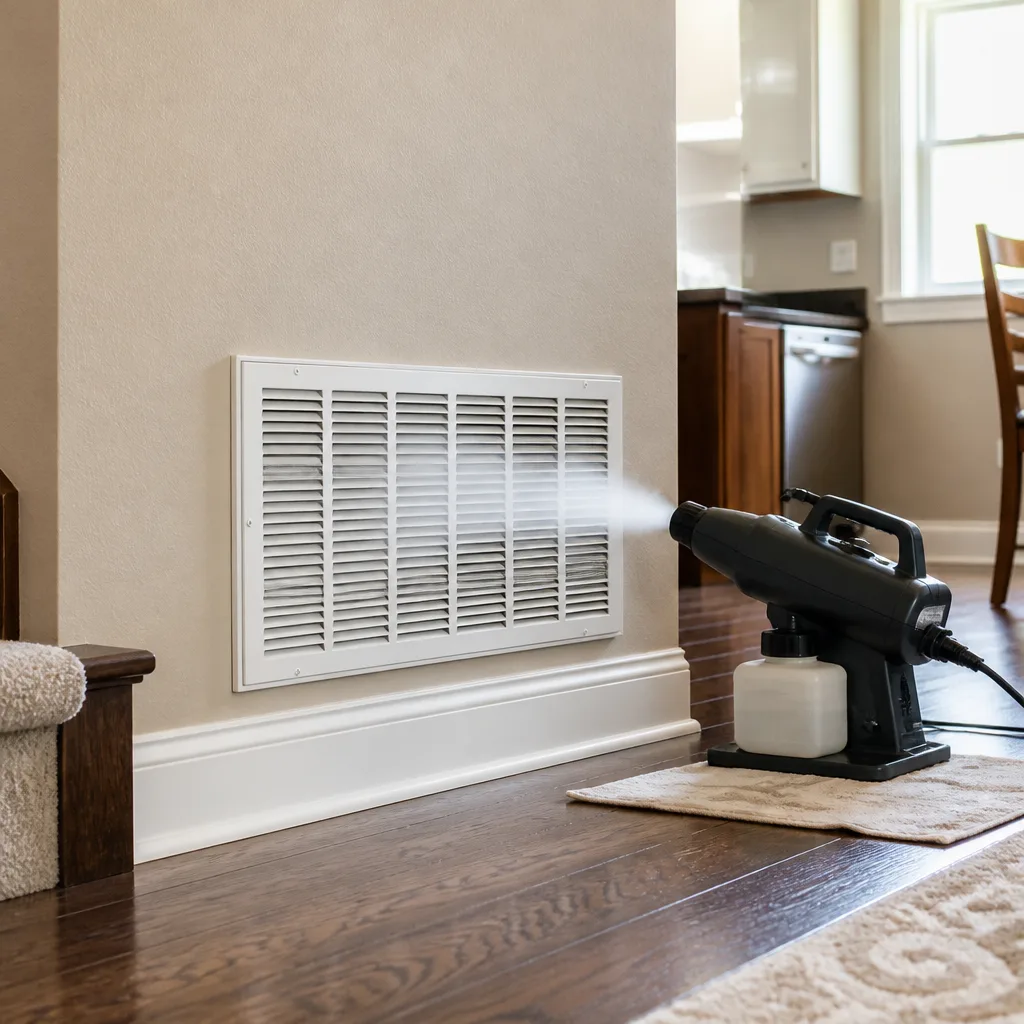 Sanitizing & deodorizing
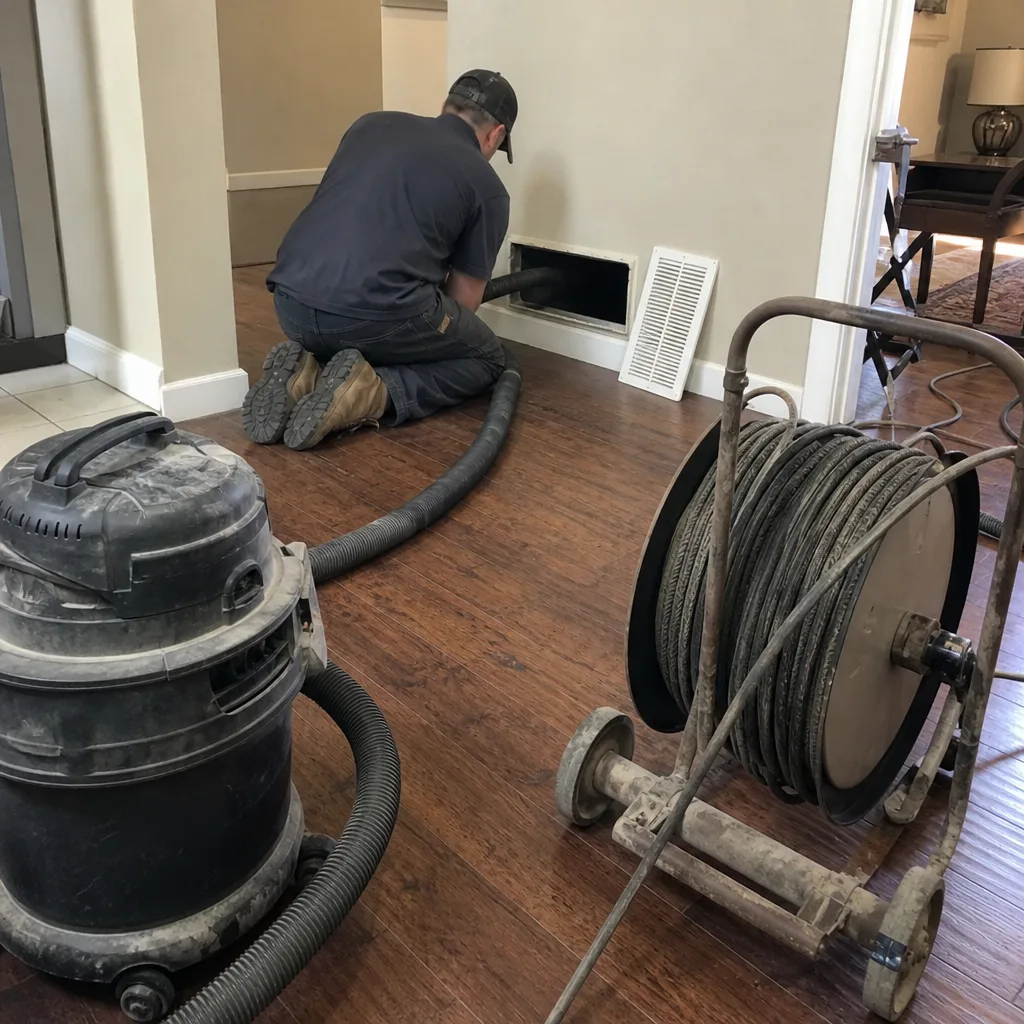
Whole-system duct and dryer vent check with before-and-after photos - you see exactly what came out of your vents
That "$99 whole-house special" is a bait ad - the real number appears once they are in your hallway, or the "clean" is a shop-vac at the register. We photograph the inside of your ducts before and after instead.
DIY vs Professional Air Duct Cleaning: The Park Hill Homeowner’s Decision Guide
Most homeowners judge suction by sound. A shop vac screams, so it must be pulling hard. Here’s the part that surprises people: a consumer-grade shop vac moves roughly 50 – 80 CFM, while the extraction units used in professional duct cleaning move 3,000 – 5,000 CFM. That gap isn’t marketing. It’s why DIY duct work tends to stir contamination loose and leave it circulating instead of removing it. In this guide, we’ll cover what you can genuinely handle yourself in a Park Hill home, where DIY stops working, how to tell whether an attempt made things worse, and how to judge a professional quote without getting talked into something you don’t need.
Quick Answer
DIY air duct cleaning is worth doing at the register and dryer-vent level, but it cannot clean trunk lines, plenum runs, or the air handler, because consumer equipment can’t generate the negative pressure needed to capture dislodged debris. Professional cleaning is the right call when you’ve had a renovation, you’re seeing visible debris at registers, someone in the home has respiratory sensitivities, or it’s been several years since the system was opened up. Between professional visits, register covers and accessible flex connections are fair game for a homeowner.
Styles & brands we work with
- Whole-home duct cleaning
- Dryer vent cleaning
- Camera inspection
- Sanitizing & deodorizing
Table of Contents
- The Extraction Physics: Why Suction Volume Decides the Outcome
- What You Can Legitimately Do Yourself
- Where DIY Goes Wrong in Older Park Hill Homes
- How to Tell If a DIY Attempt Made Things Worse
- The Middle Ground: Spacing Out Professional Visits
- How to Evaluate a Professional Quote
- The Dryer Vent Exception
- Common Mistakes to Avoid
The Extraction Physics: Why Suction Volume Decides the Outcome
Air duct cleaning isn’t scrubbing. It’s controlled extraction, and extraction depends on how much air you can pull through the system in a given time. CFM, or cubic feet per minute, is the number that matters. A vacuum that moves a lot of air can lift settled debris from the trunk line and hold it in a filter bag. A vacuum that moves very little air disturbs the surface layer and lets most of it settle back, or get pulled into the return.
Professional duct cleaning equipment isn’t just a bigger version of a shop vac. Systems like Rotobrush and Nikro use rotary agitation combined with high-volume extraction, and they’re paired with negative-air containment from Abatement Technologies so debris that’s dislodged on the supply side gets captured at the source rather than pushed into living space. That containment step is the one most homeowners don’t think about.
Here’s the practical difference, put simply:
- Consumer shop vac: moves 50 – 80 CFM, loses suction fast on long runs, and has no sealed containment.
- Professional extraction: 3,000 – 5,000 CFM at the trunk, coupled with a sealed negative-air setup at the register.
- What happens with too little suction: settled dust and debris lifts off the duct wall, then settles elsewhere in the system, occasionally ending up on the supply register closest to the blower.
That’s why a homeowner who “cleaned the ducts” and then finds dust returning to the same registers may not be doing it wrong. They’re doing it with equipment that can’t win the CFM fight. This is the same reason our air duct cleaning work starts with negative-air setup before any brush goes into a run.
What You Can Legitimately Do Yourself
There’s real maintenance a Park Hill homeowner can do without a professional truck in the driveway. It’s all upstream of the trunk line, and it’s worth doing between professional visits.
- Pull and wash every register cover. Unscrew, soak in warm soapy water, rinse, dry fully. This removes the dust film that builds up on the return face and the fine grit that settles on supply grilles in homes near the older tree canopy of Park Hill.
- Vacuum the register boot. With the cover off, extend a crevice tool as far into the boot as it reaches and pull dust out. You’ll hit a wall of settled grit on returns. That’s normal.
- Check accessible flex connections. Where a run drops through an unfinished basement or crawlspace to a register, you can peel back the insulation sleeve and check for kinks, disconnected collars, or torn outer vapor barrier. Re-secure with the appropriate fitting, not tape alone.
- Clean the dryer vent lint trap after every load. This is one of the easiest fire-safety habits in the home. Wipe lint trap, vacuum the trap housing, and check the outside flapper for lint buildup.
- Wipe the return grille frames. Where a filter sits inside a return grille, the frame collects dust that eventually grows mold in humid months. Wipe with a cloth and mild detergent.
What you cannot do with a shop vac is clean the trunk line, the plenum above the air handler, or the supply runs beyond the first bend. Those runs require rotary agitation, sealed containment, and enough CFM to hold what’s been disturbed. If you do nothing else, wash the covers and keep the dryer vent clear.
Where DIY Goes Wrong in Older Park Hill Homes
Park Hill is a neighborhood with a wide range of housing stock. Some homes have updated ductwork; others still have runs tied into older duct systems with flexible connections, duct liner in the trunk, or transitions that weren’t built for high-volume vacuuming. Those systems are where a well-meaning DIY effort can turn a maintenance problem into a repair.
Three specific risks stand out:
- Dislodged flex connections. A shop vac pressed hard against a flex take-off can pull the inner liner loose from the collar. A disconnected run quietly vents into a wall cavity or crawlspace instead of the room.
- Disturbed duct liner. Internal sound-and-insulation liner in older trunk sections can be friable. Aggressive agitation breaks it loose, and fragments then blow through the home’s air.
- Debris pushed into the air handler. Without negative-air containment, dust disturbed at a supply register can drift downstream to the blower compartment. That can foul the blower wheel and, in some systems, the evaporator coil. What was a cleaning job becomes an HVAC service call.
We’ve seen systems where the register-side attempts made things worse for these reasons, and in those cases a professional visit does more than a cleaning: it addresses the leaks and connections that caused the problem to begin with. That’s why our duct repair and sealing work sits alongside cleaning rather than as a referral. Containing the debris is only useful if the system’s already sealed enough to hold the pressure.
How to Tell If a DIY Attempt Made Things Worse
If you’ve already tried cleaning a run or two, here are two simple checks that tell you whether you’ve made progress or just moved the problem around.
The tissue test
Hold a single square of tissue up to a supply register with the system running. It should pull tight against the grille and hold. If it flutters or falls, the register isn’t delivering design airflow. That can mean a disconnected run, a crushed flex section, or a register boot filled with debris from a DIY attempt. Test three or four registers across the home. One dropping where others hold means you’ve found a specific leak or blockage; all dropping suggests a duct-pressure or filter problem.
Runtime observation
Listen to how long the system runs to reach the same temperature it reached a week ago. If your thermostat is set the same and the furnace or AC is cycling longer, airflow has likely dropped. Also look at the register face closest to the air handler. If you’re seeing more dust there than before a DIY attempt, the debris wasn’t captured, it was just stirred up and deposited further downstream.
Other clues to look for:
- Visible dust streaks on the ceiling around a supply register that weren’t there before.
- A whistling or hiss at a register that used to be quiet (a loosened connection).
- Filter loading faster than usual.
- A slightly musty smell in a room that was previously neutral.
If two or more of these show up after a DIY attempt, the system is telling you that containment was never going to happen with consumer equipment. A proper visit with negative-air containment solves it. Our HVAC cleaning step addresses the air handler side that no shop vac can reach.
The Middle Ground: Spacing Out Professional Visits
There’s a rhythm that works well for most Park Hill homes: professional cleaning on a sensible schedule, with register-level maintenance in between. That’s the honest version of DIY versus professional, because both jobs coexist.
We generally suggest a professional visit:
- After a renovation that generated drywall dust or sawdust.
- When you’ve just moved into a home and don’t know its duct history.
- When someone in the household has asthma, allergies, or a recent respiratory illness.
- When a new baby is in the home and the family wants cleaner air before the nursery is used.
- Every several years as routine maintenance, adjusted for how much dust the home generates.
Between those visits, register covers, boot vacuuming, dryer vent lint, and filter changes are all yours to handle. Doing those well stretches the interval between professional cleanings without inviting the risk of do-it-yourself duct extraction.
How to Evaluate a Professional Quote
Quotes vary widely because “duct cleaning” means different things to different companies. Here’s what a fair quote includes and what to ask about.
- What equipment will be used. A specialist will tell you without hesitation. Systems like Rotobrush and Nikro are built for duct work; a shop vac with a brush kit isn’t.
- Whether negative-air containment is part of the job. Look for Abatement Technologies equipment on the invoice or in the truck. If it’s absent, ask what holds the debris during agitation.
- Whether the air handler and coil get cleaned. Cleaning supply and return ducts while leaving the blower compartment untouched is half a job.
- Whether leaks and disconnections get addressed. Many companies stop at cleaning. Sealing and repair are separate skill sets, and they matter more than one more pass with a brush.
- Whether a sanitizing step is part of the scope. Guardsman treatment is a final step against microbial growth inside cleaned ductwork; ask whether it’s included or optional.
- Whether post-cleaning filtration is offered as a follow-up. Upgrading to a Honeywell or Aprilaire filter or humidifier isn’t part of cleaning, but it’s worth knowing whether the specialist can supply and install those products or if you’ll need a separate call.
The most useful question you can ask is the plainest one: what’s included, and what’s not. If the answer is vague about containment or about the air handler, the quote is describing a brush and a shop vac.
The Dryer Vent Exception
There’s one airflow problem worth flagging separately because the stakes are different. Dryer vent lint is the leading cause of residential dryer fires, and it’s almost always overlooked by duct-cleaning companies that only look at the HVAC side.
You can and should clean the lint trap after every load, and you can vacuum the trap housing. What you cannot reach is the length of the vent run through a wall or up an exterior chase. If a load takes noticeably longer to dry, or the outside flapper doesn’t lift freely when the dryer running, that’s a signal to look closer. A proper dryer vent cleaning addresses the full run and is a normal part of a household air-quality routine. The register-level habits above are still worth doing; the vent run is where the professional call is warranted.
Common Mistakes to Avoid
- Assuming suction equals extraction. A shop vac that screams is pulling 50 – 80 CFM, which stirs settled dust without capturing it in a sealed system. Most homeowners assume a loud vacuum was effective.
- Blocking return airflow while cleaning. Covering a return to “increase suction” elsewhere drops system static pressure and starves the blower, sometimes tripping a limit switch in Park Hill homes with high-efficiency furnaces. Leave the return open and use containment equipment instead.
- Pushing a brush too far into flex duct. Duct brush kits cause more damage than debris removal past about two feet into a flex run. Their job is agitation, and flex connections don’t like agitation.
- Ignoring disconnected flex or torn liner. In older Park Hill homes, a broken collar or loose liner becomes a real air-quality problem once it’s disturbed. If it’s damaged going in, get it checked before cleaning.
- Cleaning ducts while ignoring the air handler. Supply and returns finished, blower compartment untouched, means the dust just gets redistributed. The air handler is where the blower pulls the debris to begin with.
- Skipping the dryer vent because it’s not “HVAC”. The dryer vent is flagged as a leading cause of home fires and is outside the skills of most duct-cleaning shops. It’s worth its own inspection.
- Buying “whole-home cleaning” for a single visible register. If only one register looks dirty, you may have a leak or a filter problem rather than a whole-system cleaning job. Ask for a diagnostic before signing for the full run.
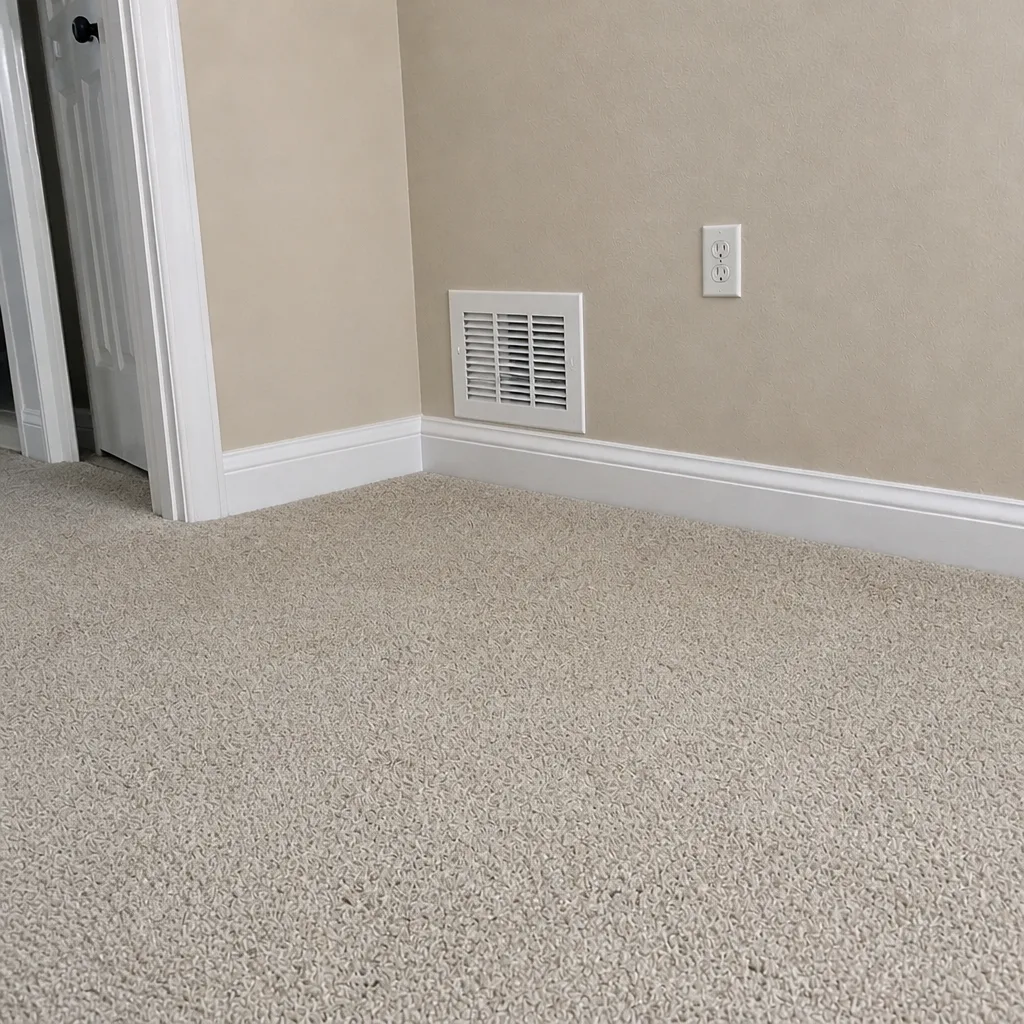
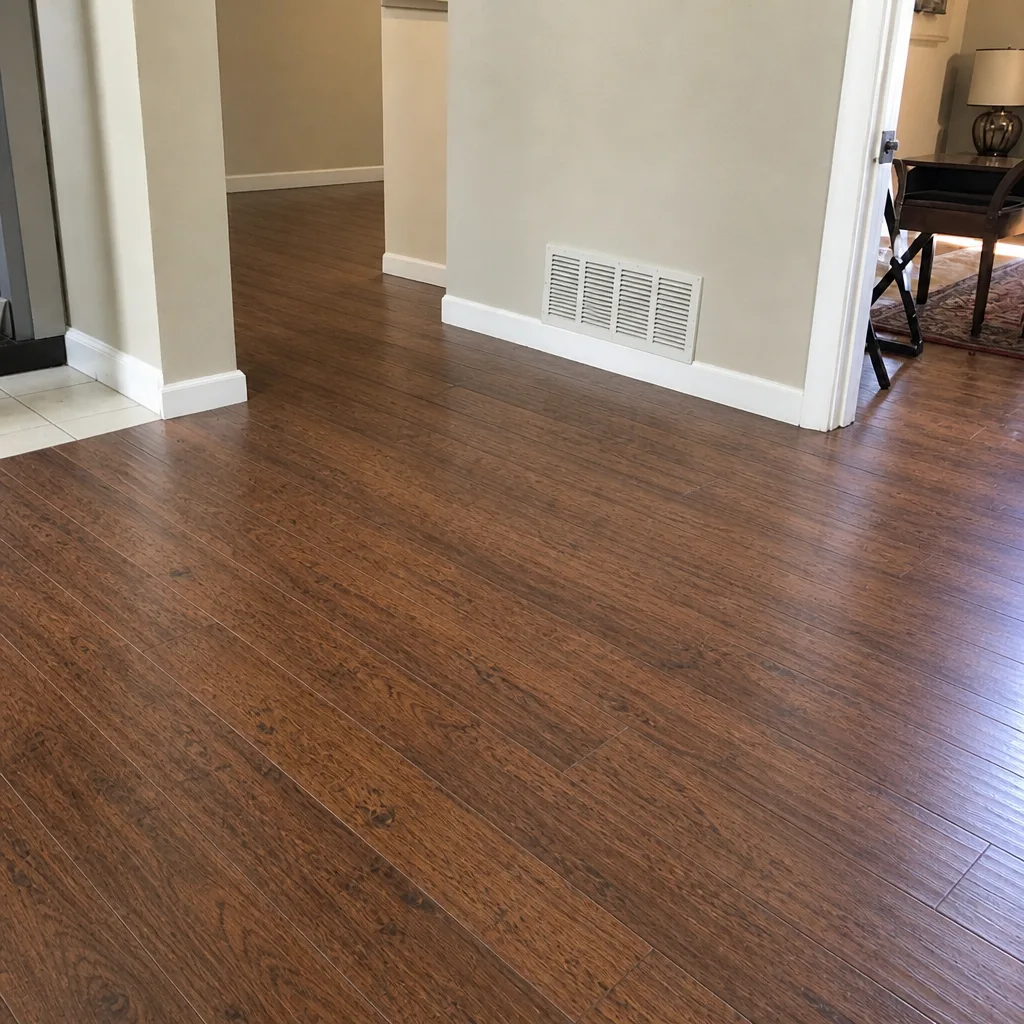
See the difference
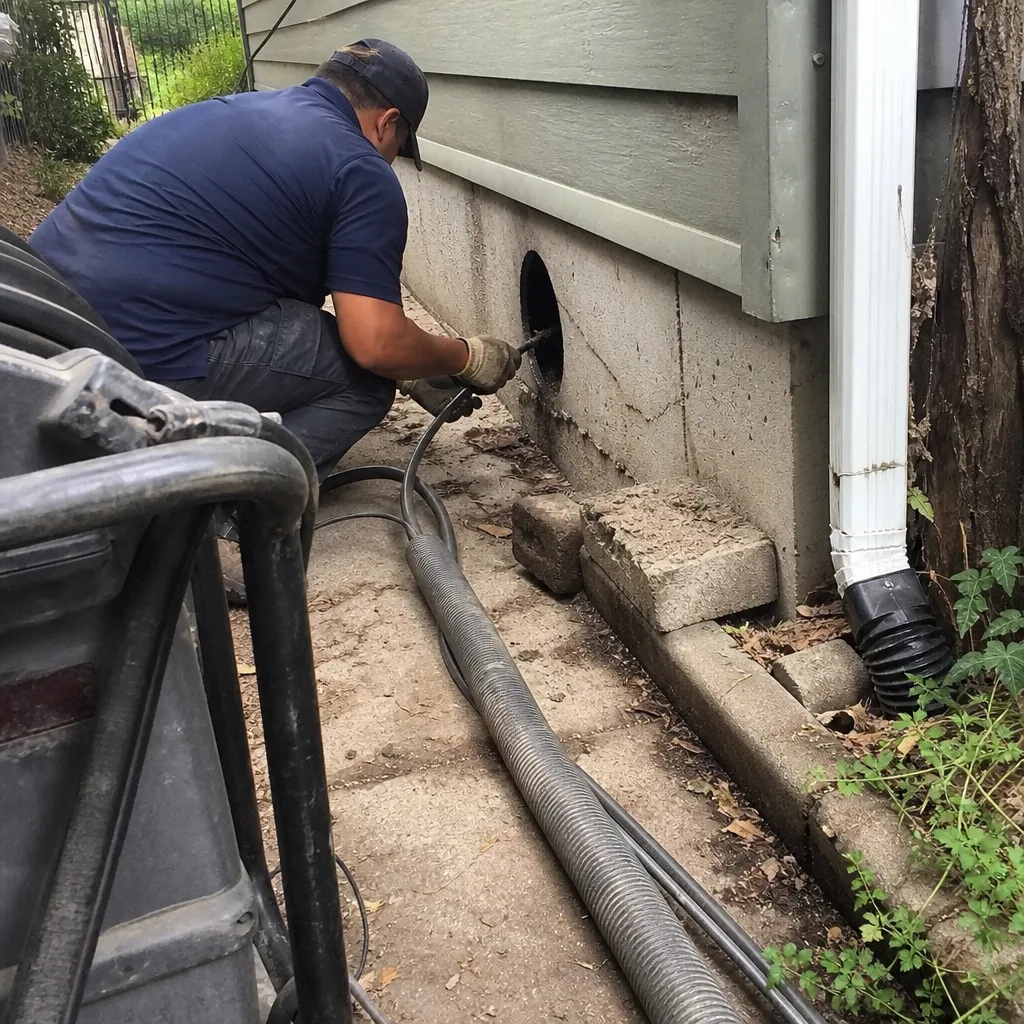 Before
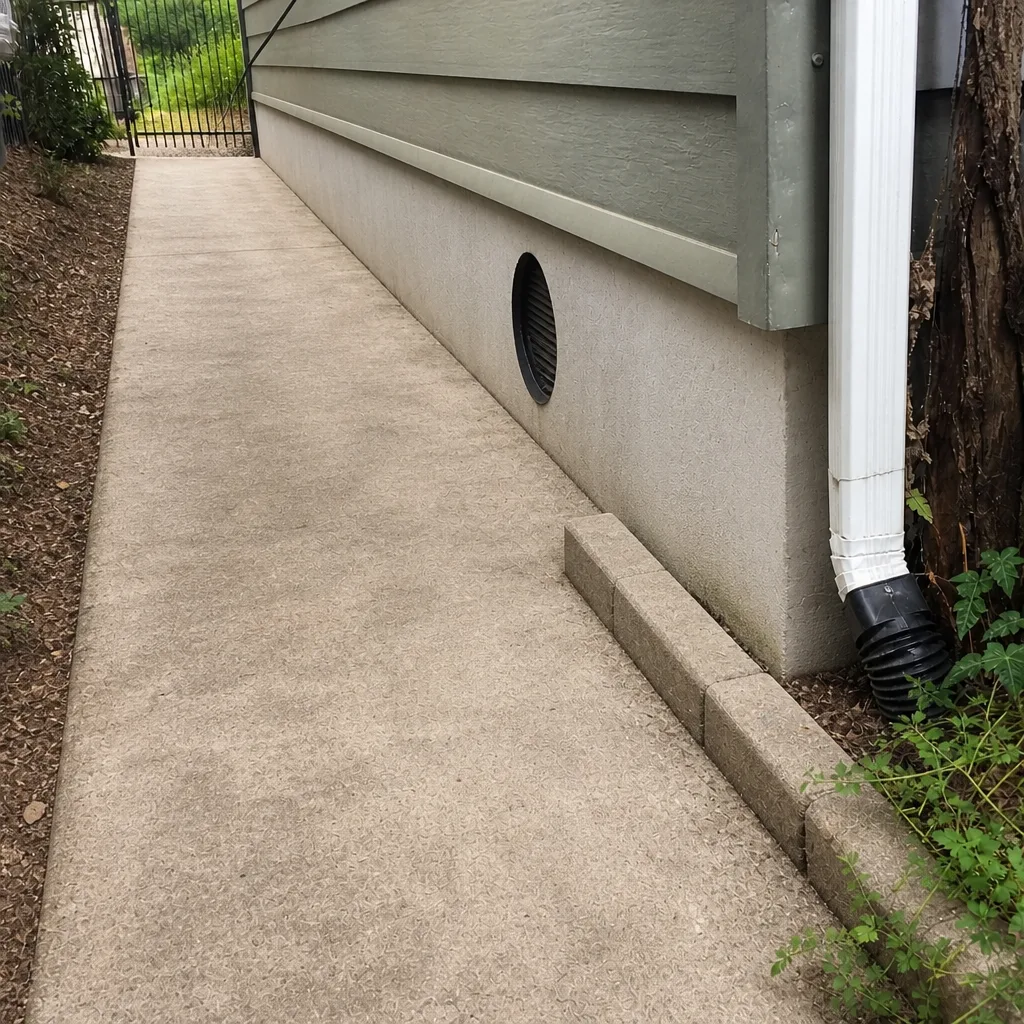 After
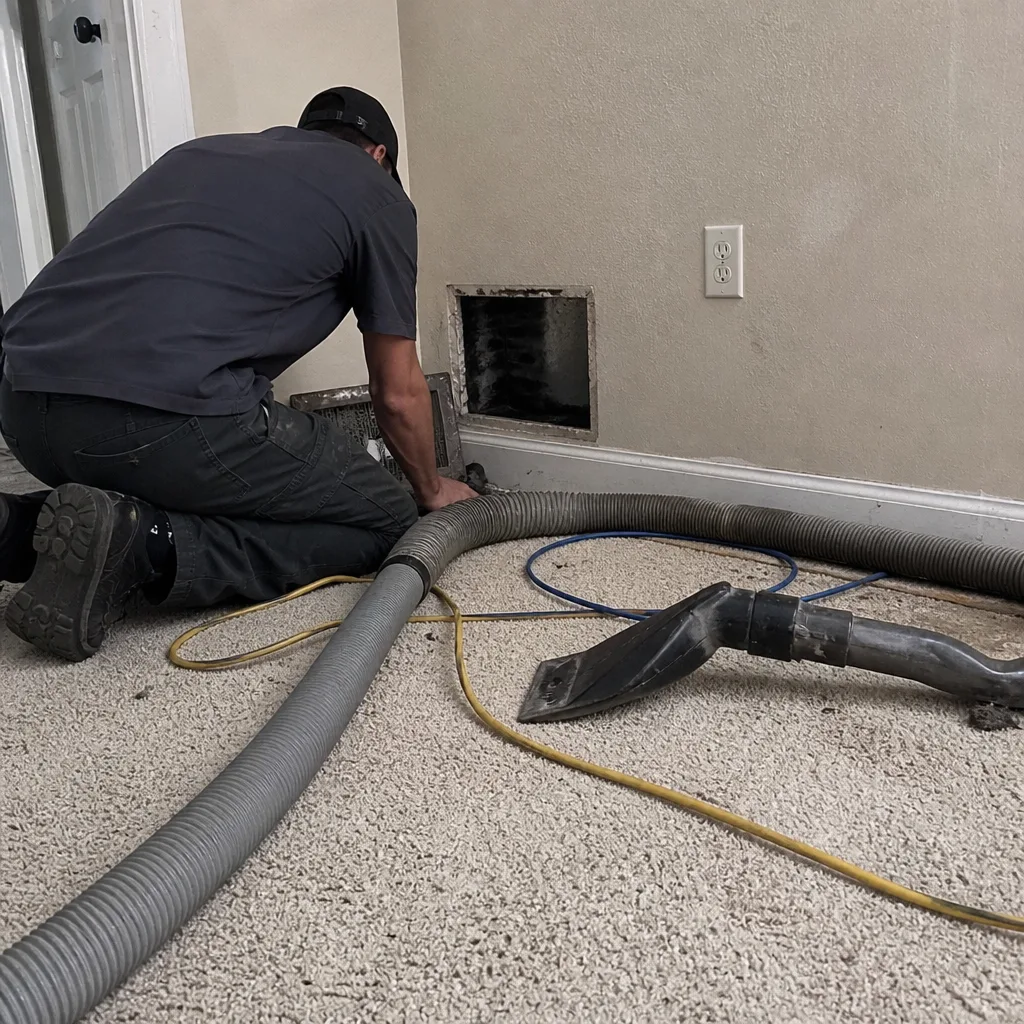 Before
 After
 Before
 After
When to Call a Professional
Call a professional when the work touches the trunk line, the plenum, the air handler, or the dryer vent run. Those four areas are where consumer equipment cannot reach and where the risks of moving debris without containment outweigh the potential savings. Call too if you’ve just finished a renovation, if a new baby is in the home, if respiratory symptoms have crept in and the home’s air is your best guess at the cause, or if you’re unsure about the age or condition of a duct system in a recently purchased home. Our team at Air Duct Cleaning Park Hill offers free estimates in Park Hill: call (866) 964-3950. We answer 24/7, and fast dispatch runs from 7am to 7pm, Sunday through Friday.
Frequently Asked Questions
You can clean the register covers and reach roughly a foot into each boot with a crevice tool, but you can’t clean the trunk line or the air handler. Consumer shop vacs move around 50 – 80 CFM, while professional extraction moves 3,000 – 5,000 CFM, so a shop vac primarily redistributes dust within the system rather than removing it. For anything beyond register-level work, call (866) 964-3950 for a free estimate.
Two signs are reliable: the tissue test and a change in furnace or AC runtime. If tissue held tight at a supply register a week ago and now flutters, airflow dropped. If the system runs longer to reach the same temperature, airflow dropped. Either one usually points to a loosened flex connection or displaced debris. Call (866) 964-3950 and a technician can identify which one it is.
Most homes need it every few years, and often less if the register-level habits above are maintained. The bigger drivers are events: a renovation, a move into a home with unknown duct history, a new baby, or someone in the home with respiratory sensitivities. If your registers are clean and airflow is steady, there’s no urgency. Call (866) 964-3950 if you want a professional opinion before scheduling a cleaning.
Three things matter. Rotary agitation combined with high-volume extraction (Rotobrush and Nikro systems are the platforms we use) loosens and captures settled debris. Negative-air containment (we use Abatement Technologies equipment) seals the work area so dislodged debris is captured at the source. And the extraction unit itself is built to hold 3,000 – 5,000 CFM, which no consumer machine can match. That’s the entire case for professional cleaning, in one paragraph. For a quote on the equipment and process, call (866) 964-3950.
Usually it will help, but not always for the reason homeowners expect. Dust on horizontal surfaces is mostly a filtration problem, not a duct problem. If your filter is basic and undersized, upgrading to a Honeywell or Aprilaire filtration product alongside a duct cleaning makes a bigger difference than cleaning alone. Call (866) 964-3950 for a free estimate and we’ll tell you which problem you actually have.
It can cause property damage more often than personal injury. The realistic risks are dislodged flex connections, torn duct liner in older trunk sections, and debris pushed onto the blower wheel or evaporator coil. None of those cause immediate harm, but they can turn a maintenance task into an HVAC repair. If you’re unsure about the condition of a run, call (866) 964-3950 before you start pulling on it.
The Bottom Line
DIY air duct cleaning and professional cleaning solve different problems. Register covers, boot vacuuming, dryer lint, and filter changes are real maintenance, and worth doing between visits. Trunk-line cleaning, the air handler, and the dryer vent run require the extraction volume and negative-air containment that professional systems like Rotobrush, Nikro, and Abatement Technologies provide. Older Park Hill homes raise the stakes because their duct connections and liner don’t tolerate aggressive DIY agitation. If you’ve had a renovation, a new baby, a respiratory concern, or a home with unknown history, a professional visit answers a question DIY can’t. If you just want a clear opinion on what’s necessary, that’s what a free estimate is for.
Call (866) 964-3950. We answer 24/7. Fast dispatch from 7am to 7pm, Sunday through Friday. Reach out to Air Duct Cleaning Park Hill for a free estimate before your next maintenance round.
Written by the team at Air Duct Cleaning Park Hill.